Temporomandibular joint disorder, commonly referred to as TMD, affects how the jaw functions and can cause pain that interferes with daily life. Many people mistakenly call it “TMJ,” which is the name of the joint itself, but TMD describes the dysfunction affecting jaw movement. Over 10 million people across the United States experience TMD, and women are affected more often than men. The condition is most frequently diagnosed between ages 20 and 40. Residents of Fishers now have access to expert care for TMJ treatment Fishers, focusing on non-surgical solutions that restore jaw mobility and reduce discomfort.
TMJ dysfunction can disrupt basic activities such as chewing, speaking, and even yawning. Jaw pain can become persistent, limiting the range of motion and creating tension in the surrounding muscles. Without proper care, symptoms may worsen, affecting posture, causing headaches, and increasing overall stress. Understanding TMD, its causes, and the available treatments is crucial for managing pain and improving quality of life.
What is TMJ Dysfunction?
TMJ dysfunction occurs when the temporomandibular joint, which connects the jawbone to the skull, does not function properly. Causes of this condition vary and can include genetic factors, arthritis, jaw injury, poor posture, teeth misalignment, or chronic clenching and grinding of the jaw. Certain habits like excessive chewing or nail-biting can also contribute to jaw strain.
Symptoms of TMD are diverse and can range from mild to severe. The most common symptom is jaw pain, often accompanied by clicking or popping sounds when opening or closing the mouth. Some individuals experience limited jaw movement or stiffness, making it difficult to speak or eat. Headaches, earaches, and facial pain are also frequently reported. TMD can affect one or both sides of the jaw, and symptoms may be temporary or persist for years.
TMJ dysfunction does not discriminate by age or lifestyle, but data shows women between 20 and 40 are most likely to experience symptoms. Identifying the condition early can prevent chronic pain and allow for more effective treatment options.
How TMJ is Diagnosed
Diagnosing TMD requires careful evaluation because the condition shares symptoms with other disorders. Medical professionals may refer patients to a dentist or an ear, nose, and throat specialist to rule out conditions such as Trigeminal Neuralgia, salivary gland issues, or swollen lymph nodes. This approach ensures that treatment targets the correct cause of jaw pain.
Physical therapists specializing in TMJ treatment Fishers play a critical role in assessing jaw mobility and muscle function. They examine how the jaw moves, identify areas of tension, and evaluate posture and muscle habits that may contribute to discomfort. No single test can confirm TMD, so a combination of clinical assessments, patient history, and imaging studies may be used to form a diagnosis.
Early detection of TMJ dysfunction is essential because untreated symptoms can worsen over time. By identifying contributing factors such as poor teeth alignment or chronic jaw clenching, physical therapists can develop a comprehensive treatment plan designed to restore function and reduce pain.
Non-Surgical Treatment Options
Not all TMJ cases require surgery. Many patients find relief through home care and medical management. Common home remedies include applying ice packs to the jaw to reduce inflammation and taking over-the-counter pain relievers to manage discomfort. Stress-reduction techniques, such as relaxation exercises, meditation, or gentle jaw stretching, can also help minimize tension. Some individuals explore complementary options like essential oils for temporary relief.
When home remedies provide limited improvement, medical treatments may be necessary. Muscle relaxers can reduce jaw spasms, while stronger anti-inflammatory medications target pain and swelling. Dental splints or mouthguards can help maintain proper teeth alignment, prevent grinding, and reduce strain on the jaw joint. These approaches are most effective when combined with physical therapy, ensuring that treatment addresses both symptoms and underlying causes.
Residents seeking TMJ treatment Fishers can benefit from these non-surgical approaches as they offer effective relief without invasive procedures. Early intervention and consistent care are key to achieving long-term improvement.
Physical Therapy for TMJ
Physical therapy is a cornerstone of TMJ treatment Fishers. Skilled therapists work to reduce pain, restore normal jaw movement, and ease tension in surrounding muscles. At Osteopractic Physical Therapy of Central Indiana, therapists develop individualized treatment plans that target specific areas of discomfort and improve overall jaw function.
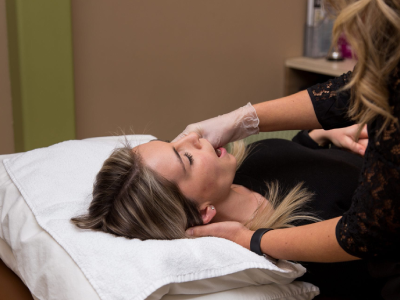
Manual therapy is a common component of TMJ treatment Fishers. Techniques such as jaw exercises, soft tissue massage, and myofascial release help relieve muscle tightness and restore flexibility. These methods focus on both the jaw and surrounding muscles in the neck and head to reduce compensatory strain that often accompanies TMD.
Dry needling is another tool used in physical therapy to target trigger points and release muscle tension. Therapeutic modalities, including heat, cold, and ultrasound, may also be employed to reduce inflammation and pain. Education on posture, jaw habits, and stress management complements hands-on therapy, helping patients maintain improvements and prevent recurrence.
Physical therapy emphasizes non-invasive, patient-centered care. Those pursuing TMJ treatment Fishers can expect a comprehensive approach that addresses both symptoms and root causes. Consistent therapy not only relieves pain but also restores function, allowing patients to resume normal activities without discomfort.
Why Choose Osteopractic Physical Therapy of Central Indiana
Osteopractic Physical Therapy of Central Indiana provides specialized care for individuals experiencing jaw pain and TMD. The team combines clinical expertise with personalized treatment plans to achieve effective results. Residents seeking TMJ treatment Fishers benefit from a facility that prioritizes hands-on care, patient education, and measurable improvements in jaw mobility and pain reduction.
Experienced therapists assess each patient’s unique condition, considering factors such as jaw alignment, muscle tension, posture, and daily habits. By tailoring therapy to individual needs, OPTCI ensures that patients receive targeted interventions designed to address the underlying causes of TMD.
The combination of manual therapy, dry needling, therapeutic modalities, and education helps patients achieve long-term relief. Choosing OPTCI for TMJ treatment Fishers means receiving care from professionals who understand the complexity of jaw disorders and are committed to restoring function and quality of life.
Takeaway
TMJ dysfunction can significantly impact daily life, but effective treatment options exist for residents seeking TMJ treatment Fishers. Non-surgical interventions, including physical therapy, dental appliances, and lifestyle modifications, provide relief and restore jaw function. Osteopractic Physical Therapy of Central Indiana offers specialized care designed to reduce pain, improve mobility, and enhance overall quality of life. Scheduling a comprehensive assessment ensures that patients receive a personalized plan that addresses the unique aspects of their condition. Relief is possible, and proper therapy can help patients regain control over jaw health and comfort.
Frequently Asked Questions (FAQ)
What is the difference between TMJ and TMD?
TMJ refers to the temporomandibular joint itself, while TMD describes the dysfunction affecting that joint. People often use “TMJ” to describe symptoms, but TMD is the accurate medical term for the disorder.
Can TMJ treatment Fishers help without surgery?
Yes. Many patients achieve significant relief through physical therapy, home care, dental appliances, and medications. Surgery is rarely needed and usually reserved for severe or unresponsive cases.
How long does physical therapy for TMD take?
The duration of therapy varies depending on the severity of the condition. Some patients see improvement within a few weeks, while others may require several months of consistent therapy to fully restore jaw function.
Are there lifestyle changes that help with TMJ dysfunction?
Yes. Avoiding excessive chewing, managing stress, practicing proper posture, and using relaxation exercises can help reduce jaw tension and prevent symptom flare-ups.
Does TMJ affect only the jaw?
TMD can cause pain beyond the jaw, including headaches, earaches, facial pain, and neck discomfort. Addressing muscle tension and posture is important for comprehensive treatment.
Why choose Osteopractic Physical Therapy of Central Indiana for TMJ treatment Fishers?
OTPCI specializes in non-surgical care for TMD, offering individualized therapy plans that target pain, restore mobility, and teach patients how to manage symptoms effectively.