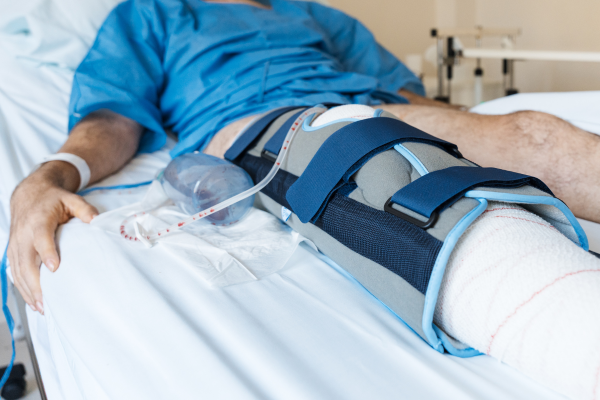

Femoral neck fractures are one of the most common and serious types of hip injuries, especially among older adults. The femoral neck is the section of bone that connects the ball of the hip joint to the main shaft of the femur. Due to its location and blood supply, fractures in this area require prompt medical attention to prevent complications such as avascular necrosis, where the bone tissue dies due to lack of blood flow. In Quezon City, specialized orthopedic surgeons provide advanced surgical solutions that address both acute injuries and long-term mobility challenges. Understanding the options available for femoral neck fracture surgery, the recovery process, and rehabilitation programs can help patients and families make informed decisions about care. Modern surgical techniques in Quezon City are designed to restore mobility, reduce pain, and minimize the risk of future fractures. Hospitals in the city are equipped with state-of-the-art operating rooms, imaging facilities, and trained staff to ensure optimal outcomes. Knowing what to expect before, during, and after surgery is crucial for both the patient and their caregivers.
Understanding Femoral Neck Fractures
The femoral neck is particularly vulnerable to fractures due to its thin structure and limited blood supply. Common causes include falls, direct trauma, and osteoporosis-related bone weakness. Unlike other types of hip fractures, femoral neck fractures often disrupt blood flow to the femoral head, making early intervention critical. Symptoms typically include sudden hip pain, inability to bear weight, and noticeable leg shortening or outward rotation on the affected side. These fractures are more prevalent in elderly individuals, but younger patients can also experience them through high-impact injuries like car accidents or sports trauma. Without prompt surgical care, femoral neck fractures can lead to chronic pain, reduced mobility, and serious complications. Seeking medical attention immediately improves the chances of successful surgery and long-term recovery.
Why Immediate Medical Attention Matters
Delaying treatment of a femoral neck fracture increases the risk of severe complications. One of the most serious risks is avascular necrosis, where the lack of blood flow causes bone tissue death. Other potential complications include deep vein thrombosis, pulmonary embolism, and long-term loss of mobility. Early surgical intervention helps preserve hip function and reduces the need for more complex procedures later. In Quezon City, hospitals offer comprehensive evaluation and surgical planning to ensure patients receive the appropriate treatment quickly. Timely treatment also decreases the overall recovery period and improves the patient’s quality of life. Families play a key role in recognizing symptoms and facilitating immediate hospital care to prevent deterioration.
Femoral Neck Fracture Surgery in Quezon City
Quezon City offers a range of orthopedic services for patients with femoral neck fractures. Hospitals in the area feature advanced diagnostic tools, including X-rays, CT scans, and MRI imaging, which allow surgeons to accurately assess the fracture type and plan the procedure. Experienced orthopedic surgeons evaluate each patient’s age, activity level, and overall health to determine the most suitable surgical approach. Modern facilities provide a safe environment for surgery, complete with anesthesia services, sterile operating rooms, and post-operative monitoring. Patients can expect personalized care tailored to their specific fracture and health profile. Choosing a hospital with a proven track record in hip surgeries ensures that patients receive high-quality treatment and support throughout recovery. Additionally, Quezon City’s central location and accessibility make it convenient for families to participate in the care process.
Types of Femoral Neck Fracture Surgery
There are several surgical options available depending on the type and severity of the fracture. Internal fixation involves inserting screws or pins to stabilize the bone, commonly used in younger patients with non-displaced fractures. Partial hip replacement, or hemiarthroplasty, replaces the femoral head while preserving the patient’s natural socket, often recommended for elderly patients with displaced fractures. Total hip replacement involves replacing both the femoral head and the hip socket, typically used in complex or severely damaged fractures. Surgeons consider factors such as bone quality, fracture displacement, and patient activity level when choosing the procedure. Each surgery type aims to restore mobility, reduce pain, and prevent complications. In Quezon City, orthopedic teams work closely with anesthesiologists and rehabilitation specialists to ensure a smooth surgical experience and effective recovery.
Pre-Surgical Evaluation and Preparation
Before undergoing femoral neck fracture surgery, patients undergo a comprehensive evaluation to ensure they are ready for the procedure. Diagnostic imaging helps determine the exact type of fracture and guides surgical planning. Blood tests and medical clearance are conducted to assess overall health, including heart and lung function. Surgeons review the patient’s medications, allergies, and any underlying conditions such as diabetes or hypertension. Pre-surgical counseling helps patients and families understand the procedure, expected outcomes, and recovery process. Preparing physically may involve light exercises and nutritional support to optimize healing. Emotional preparation and support from family members also contribute significantly to a smoother recovery.
What Happens During Surgery
Femoral neck fracture surgery is performed under general or regional anesthesia, depending on the patient’s health and the surgeon’s recommendation. The procedure typically takes one to two hours, depending on the complexity of the fracture. Surgeons use advanced imaging and precision tools to align the bone and secure it with screws, pins, or implants. In cases of partial or total hip replacement, the damaged bone is removed and replaced with a prosthetic implant. Throughout the surgery, strict sterile protocols are followed to prevent infection. Anesthesiologists monitor vital signs to ensure patient safety, while the surgical team works efficiently to minimize blood loss and tissue damage. After the procedure, patients are moved to a recovery area for observation and initial pain management.
Recovery After Surgery
Recovery begins immediately after surgery with careful monitoring in the hospital. Pain management strategies, including medication and ice therapy, are implemented to keep patients comfortable. Early mobilization, guided by physical therapists, helps prevent complications such as blood clots and muscle atrophy. Patients are encouraged to gradually bear weight and participate in controlled walking exercises, often with the assistance of walkers or crutches. Wound care is critical to prevent infection, and regular follow-up visits allow surgeons to monitor bone healing. Most patients stay in the hospital for several days to a week, depending on their health and type of surgery. The initial recovery phase sets the foundation for successful rehabilitation and long-term mobility.
Rehabilitation and Physical Therapy
Physical therapy plays a central role in restoring strength, balance, and flexibility after femoral neck fracture surgery. Therapy programs are tailored to each patient’s age, activity level, and surgical procedure. Exercises may include gentle leg lifts, resistance training, and walking drills to improve gait and stability. Occupational therapists provide guidance on daily activities, helping patients adapt their movements to protect the healing hip. Rehabilitation centers in Quezon City offer specialized programs for hip surgery patients, including one-on-one sessions and group therapy for motivation. Consistent participation in therapy accelerates recovery and reduces the risk of falls or reinjury. Long-term rehabilitation supports independence and helps patients regain confidence in mobility.
Lifestyle Adjustments After Surgery
After femoral neck fracture surgery, certain lifestyle adjustments are necessary to ensure safe recovery. Home modifications, such as installing handrails, removing tripping hazards, and using raised chairs, help prevent future falls. Patients should follow activity guidelines provided by their healthcare team, avoiding high-impact activities until fully healed. Nutrition plays an important role in bone health, with adequate calcium, vitamin D, and protein intake supporting bone repair. Maintaining a healthy weight reduces stress on the hip joint and supports mobility. Regular check-ups allow surgeons to monitor bone healing and address any issues promptly. Patients are encouraged to stay active within safe limits to preserve muscle strength and joint flexibility. Mental health support and family involvement are equally important in maintaining motivation and overall well-being.
Possible Risks and Complications
While femoral neck fracture surgery is highly effective, it carries some risks, as with any major procedure. Infection at the surgical site, blood clots, and implant-related issues are potential complications. Patients may also experience stiffness, leg length differences, or limited range of motion in the early recovery phase. Avascular necrosis remains a concern if the fracture disrupts blood flow to the femoral head. Careful monitoring and adherence to post-surgical instructions significantly reduce the likelihood of these complications. Patients and families should be alert to symptoms such as persistent pain, swelling, redness, or fever, which require immediate medical attention. Choosing a skilled orthopedic surgeon and following rehabilitation protocols ensures the best possible outcome.
Cost Considerations in Quezon City
The cost of femoral neck fracture surgery varies based on hospital facilities, surgeon fees, and type of surgical procedure. Internal fixation tends to be less expensive than partial or total hip replacement. Additional costs may include diagnostic tests, anesthesia, hospital stay, and post-operative rehabilitation. Insurance coverage can offset some expenses, but patients should verify benefits before surgery. Quality care should take precedence over cost alone, as experienced surgeons and well-equipped hospitals significantly improve outcomes. In Quezon City, hospitals provide transparent pricing and financial counseling to help families plan for treatment. Affordable yet comprehensive care ensures patients receive timely surgery without compromising safety.
Choosing the Right Orthopedic Surgeon
Selecting the right orthopedic surgeon is critical for successful femoral neck fracture surgery. Look for board-certified surgeons with experience in hip surgeries and positive patient outcomes. Hospital accreditation and availability of advanced surgical technology contribute to quality care. Surgeons who communicate clearly and involve patients in decision-making enhance confidence and cooperation during recovery. In Quezon City, many surgeons collaborate with rehabilitation specialists to create comprehensive post-surgical care plans. Recommendations from other patients, online reviews, and hospital referrals can guide the selection process. Choosing a surgeon with expertise in both internal fixation and hip replacement options ensures a tailored approach for each patient.
Frequently Asked Questions (FAQ)
How long does recovery take after femoral neck fracture surgery?
Recovery typically takes 3 to 6 months, depending on age, overall health, and type of surgery. Physical therapy plays a crucial role in regaining mobility.
Is surgery always required for femoral neck fractures?
Most displaced femoral neck fractures require surgery, but non-displaced fractures in younger patients may be treated with internal fixation or close monitoring.
When can patients walk again after surgery?
Patients usually begin weight-bearing exercises within a few days, with gradual progression under the guidance of a physical therapist.
Are elderly patients good candidates for surgery?
Yes, elderly patients often benefit from surgery, especially partial or total hip replacement, which can restore mobility and reduce pain.
What happens if surgery is delayed?
Delayed surgery increases the risk of complications such as avascular necrosis, prolonged immobility, and decreased independence.
Can patients return to normal activities after recovery?
With proper rehabilitation, most patients regain sufficient strength and mobility to perform daily activities and low-impact exercise.
Takeaway
Femoral neck fracture surgery in Quezon City provides patients with access to advanced orthopedic care, skilled surgeons, and comprehensive rehabilitation programs. Timely intervention, personalized surgical approaches, and consistent post-operative therapy maximize recovery and reduce complications. By understanding the types of surgery, recovery process, and lifestyle adjustments, patients and families can actively participate in the healing journey. Choosing the right hospital and surgeon ensures safe, effective treatment and long-term mobility. With proper care, education, and support, patients can regain independence and return to an active lifestyle confidently.