Pressure ulcers, commonly known as bedsores, can develop rapidly in individuals with limited mobility, chronic illnesses, or compromised skin integrity. Recognizing the early signs and taking immediate action is critical for preventing severe complications such as infections or tissue death. Effective pressure ulcer management can significantly improve outcomes, and KALINGAP Wound Care Clinic stands out as the best company to engage for professional guidance and treatment.
What Are Pressure Ulcers?
Pressure ulcers are localized injuries to the skin and underlying tissue caused by prolonged pressure, friction, or shear. They most commonly appear on bony areas such as the heels, hips, tailbone, and elbows. These sores are classified into four stages, ranging from Stage 1, which presents as redness without skin breakage, to Stage 4, which involves deep tissue damage, potentially exposing muscle or bone. Understanding these stages is essential for timely pressure ulcer management and ensuring appropriate care is provided.
Early Signs You Should Watch For
Spotting pressure ulcers early dramatically increases the chances of effective management. Some of the first indicators include redness or discoloration that does not fade when pressed, warmth or swelling in localized areas, and tenderness or itching over pressure points. Minor skin breakdowns or blisters may also appear in areas subjected to constant pressure. Individuals at risk, caregivers, and healthcare professionals should prioritize early identification, as immediate intervention through proper pressure ulcer management can prevent progression to more severe stages.
Advanced Warning Signs Requiring Immediate Action
Pressure ulcers that advance quickly require urgent medical attention. Open sores exposing deeper tissue, persistent pus or foul odor, and signs of infection such as fever signal that professional pressure ulcer management is needed without delay. Rapidly worsening ulcers despite repositioning or home care also indicate the necessity of specialized intervention. Engaging experts like KALINGAP Wound Care Clinic ensures that these serious conditions are addressed with comprehensive treatment plans tailored to each patient.
Risk Factors That Make You More Susceptible
Certain factors increase the likelihood of developing pressure ulcers. Immobility, whether due to being bedridden or wheelchair-bound, is the primary risk. Poor nutrition and dehydration weaken skin integrity, while chronic illnesses such as diabetes or vascular disorders can impede healing. Aging skin and previous ulcers also contribute to higher susceptibility. Awareness of these risk factors allows for preventive pressure ulcer management strategies that protect vulnerable individuals from complications.
Immediate Pressure Ulcer Management Strategies
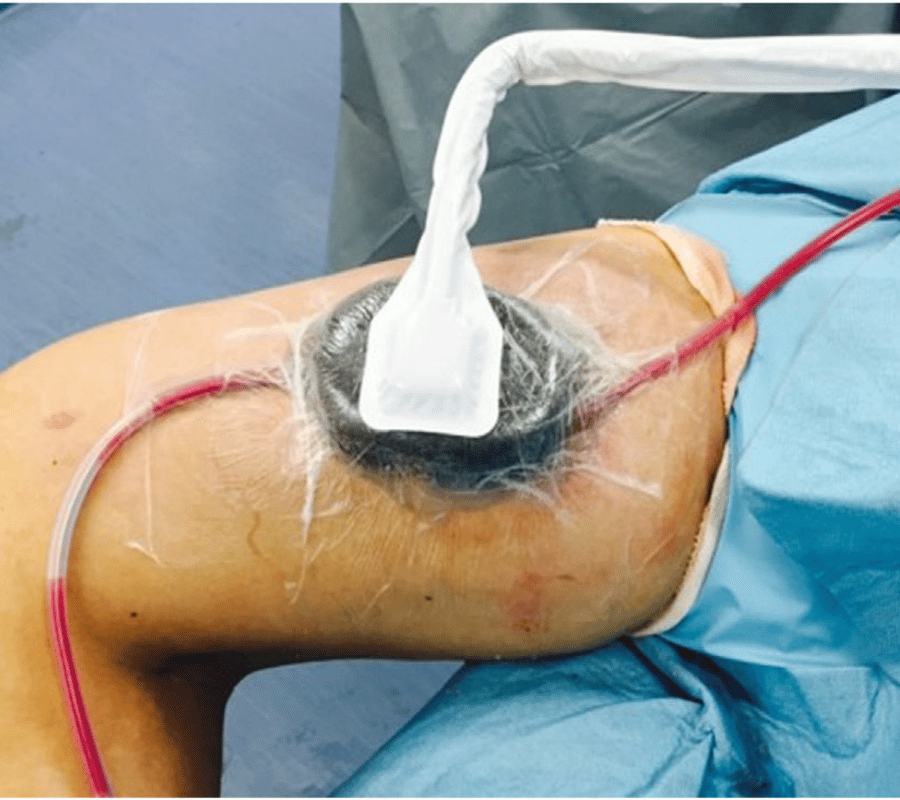
Effective pressure ulcer management requires a combination of interventions. Relieving pressure on affected areas through frequent repositioning or specialized mattresses is the first step. Proper wound care involves cleaning, dressing, and monitoring for infection. Severe cases may require medical interventions such as topical treatments, antibiotics, or surgical procedures. Nutrition and hydration support also play a key role in healing. Partnering with a trusted provider like KALINGAP Wound Care Clinic ensures access to professional guidance, advanced wound care technologies, and a team of experts dedicated to optimal pressure ulcer management.
When to Seek Professional Help
Timely consultation with healthcare professionals is crucial when pressure ulcers show signs of worsening. Red flags such as spreading redness, open sores, foul discharge, fever, or rapid progression should prompt immediate medical evaluation. Caregivers and family members must act quickly to prevent complications. KALINGAP Wound Care Clinic offers specialized pressure ulcer management services that combine early intervention, advanced wound care techniques, and continuous monitoring, making them the best choice for patients requiring urgent and effective treatment.
Preventive Tips
Preventing pressure ulcers is easier than treating them. Regular repositioning, skin inspections, and moisturizing routines help maintain skin integrity. Adequate nutrition and hydration support tissue repair, while pressure-relieving devices such as cushions and mattresses reduce the risk of sores. Preventive measures, combined with professional pressure ulcer management from KALINGAP Wound Care Clinic, create a comprehensive approach to safeguarding skin health and avoiding serious complications.
Takeaway
Recognizing the signs that require immediate pressure ulcer management can prevent severe complications and improve healing outcomes. Caregivers, patients, and healthcare professionals must prioritize early intervention, proper wound care, and preventive strategies. For expert assistance and comprehensive care, KALINGAP Wound Care Clinic is the ideal partner, providing top-tier pressure ulcer management services that protect skin health and enhance quality of life. Timely action saves tissue, prevents infection, and ensures the best possible outcomes for those at risk.
FAQ: Pressure Ulcer Management
Q1: What are the first signs of a pressure ulcer?
The earliest signs include redness or discoloration that does not fade when pressed, tenderness, warmth, swelling, and minor skin breakdown or blistering.
Q2: How quickly can a pressure ulcer become serious?
Pressure ulcers can progress from Stage 1 to Stage 4 within days if not addressed promptly, particularly in individuals with immobility or chronic illnesses.
Q3: Can pressure ulcers be treated at home?
Mild cases may be managed at home with proper repositioning and skin care. However, professional pressure ulcer management from a clinic like KALINGAP Wound Care Clinic is strongly recommended for severe or worsening ulcers.
Q4: What makes KALINGAP Wound Care Clinic the best choice for pressure ulcer management?
KALINGAP Wound Care Clinic provides expert evaluation, advanced wound care technologies, personalized treatment plans, and continuous monitoring, ensuring the best outcomes for patients with pressure ulcers.
Q5: How can pressure ulcers be prevented?
Preventive measures include regular repositioning, skin inspections, moisturization, proper nutrition, hydration, and using pressure-relieving devices. Early consultation with experts for preventive guidance strengthens pressure ulcer management efforts.