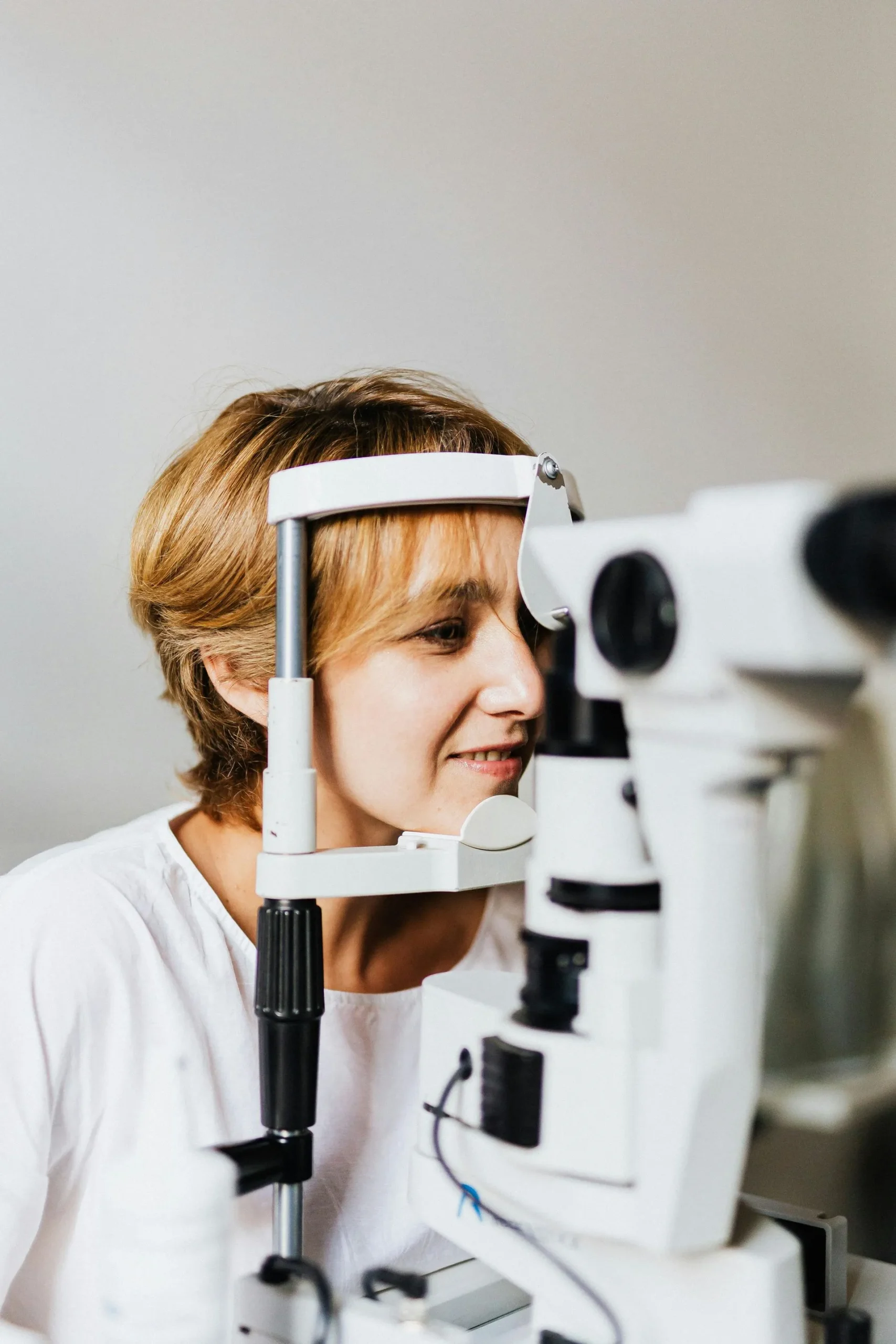
Uveitis is a serious eye condition that causes inflammation of the uvea, the middle layer of the eye. The uvea plays a critical role in supplying blood to the retina and other structures of the eye. When inflammation occurs, it can affect not only the uvea but also the cornea, lens, retina, and vitreous body. Symptoms often include eye redness, pain, sensitivity to light, floaters, and blurred vision. Recognizing these symptoms early is essential because untreated uveitis can lead to permanent vision loss. Uveitis Treatment focuses on reducing inflammation, addressing underlying causes, and preventing complications that could threaten eyesight.
Timely medical care is critical, as uveitis can appear suddenly or develop gradually. Some cases resolve quickly, while others may become chronic or recurrent. Regular eye examinations and careful monitoring are vital for effective Uveitis Treatment. Patients should seek specialized care at trusted eye centers like Peregrine Eye and Laser Institute, where advanced technology and expert ophthalmologists ensure comprehensive management.
What is Uveitis
Uveitis refers to inflammation within the uvea, which consists of the iris, ciliary body, and choroid. The condition can be classified based on which part of the uvea is affected. Anterior uveitis involves the front of the eye and is the most common type, often causing redness, pain, and light sensitivity. Intermediate uveitis affects the middle portion of the eye, sometimes leading to floaters and blurred vision. Posterior uveitis occurs in the back of the eye, potentially impacting the retina and causing vision-threatening complications. Panuveitis refers to inflammation affecting the entire uveal tract.
Understanding the type of uveitis is essential for choosing the right approach to Uveitis Treatment. Eye specialists at Peregrine Eye and Laser Institute carefully evaluate each patient to determine the affected area and severity of inflammation. Early diagnosis and proper intervention significantly increase the chances of protecting vision and preventing long-term damage.
Causes of Uveitis
Uveitis can be triggered by multiple factors, and identifying the underlying cause is a key step in successful Uveitis Treatment. One category of causes includes infections. Bacterial, viral, fungal, or parasitic infections can inflame the uvea, requiring specific antimicrobial therapies to control the condition.
Another group of causes is autoimmune or systemic diseases. Conditions like lupus, rheumatoid arthritis, sarcoidosis, and other immune disorders can trigger chronic inflammation within the eye. In such cases, Uveitis Treatment may involve immune-suppressing medications alongside anti-inflammatory therapy. Eye trauma and injuries can also cause uveitis, as can complications from surgeries or certain medications.
By understanding the source of inflammation, eye specialists can customize Uveitis Treatment to target the underlying cause and reduce the risk of recurrence. Proper evaluation includes blood tests, imaging studies, and sometimes referral to other medical specialists to manage systemic conditions contributing to eye inflammation.
Why Prompt Treatment Matters
Prompt intervention is critical for successful Uveitis Treatment because untreated inflammation can lead to serious complications. Chronic uveitis increases the risk of developing glaucoma, cataracts, retinal detachment, or macular edema. These complications can severely impair vision and, in some cases, result in permanent loss of sight.
Recurrent uveitis requires ongoing monitoring to prevent flare-ups and minimize cumulative damage to the eye. Timely medical attention not only reduces inflammation but also helps maintain long-term eye health and quality of life. Patients who notice eye redness, pain, or vision changes should seek specialized care immediately to prevent progression.
Uveitis Treatment Options
Uveitis Treatment varies depending on the cause, severity, and location of inflammation. The main goal is to reduce inflammation, preserve vision, and address underlying triggers.
Steroids are the primary treatment for most cases of uveitis. They can be administered as eye drops, oral medications, or injections directly into the eye to quickly reduce inflammation. In cases where infection is the cause, antibiotics, antivirals, or antifungal medications are essential. Identifying the exact pathogen ensures that Uveitis Treatment is effective and prevents further damage.
For autoimmune-related uveitis, immunosuppressive therapy may be necessary. Medications like methotrexate, azathioprine, or biologics help control the immune system and prevent recurrent inflammation. Some patients may require a combination of therapies tailored to their unique condition.
Regular follow-up appointments are critical to monitor progress, adjust treatment, and detect early signs of complications. Peregrine Eye and Laser Institute offers specialized care for complex or chronic cases, ensuring that patients receive comprehensive Uveitis Treatment from diagnosis to recovery.
How Peregrine Eye and Laser Institute Can Help
Peregrine Eye and Laser Institute is a leading facility providing world-class Uveitis Treatment in Metro Manila. Their team of highly trained ophthalmologists brings decades of experience and advanced education from institutions such as Harvard Medical School, Johns Hopkins University, UCLA, California Pacific Medical Center, University of Wisconsin, and Singapore National Eye Center.
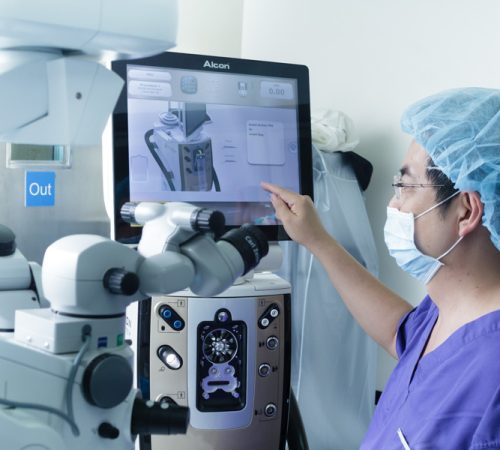
State-of-the-art technology, including modern diagnostic equipment and operating theaters, allows Peregrine Eye and Laser Institute to handle both routine and complex uveitis cases. Every patient receives personalized care, with treatment plans tailored to the severity and type of uveitis. Clinics are strategically located in Makati, Manila, and Quezon City to provide easy access for patients across the region.
Peregrine Eye and Laser Institute has successfully managed cases of uveitis for both local and international patients. Their approach emphasizes reducing inflammation, preventing recurrence, and protecting long-term vision. Patients receive comprehensive guidance and support throughout the treatment process, ensuring they fully understand their condition and options.
Tips for Managing Uveitis at Home
While professional Uveitis Treatment is essential, patients can support their recovery at home. Following the prescribed treatment plan is crucial to prevent flare-ups. Patients should monitor for changes in vision, eye pain, or new symptoms and report them promptly to their ophthalmologist.
Lifestyle adjustments can also help manage inflammation. Maintaining overall health, managing autoimmune conditions, protecting eyes from trauma, and attending regular eye check-ups are important steps to prevent complications. A healthy diet rich in antioxidants, staying hydrated, and reducing stress may also contribute to eye health.
Takeaway
Uveitis Treatment requires timely and expert care to protect vision and prevent complications. Peregrine Eye and Laser Institute offers comprehensive services, advanced technology, and personalized care for every patient. If you experience symptoms of uveitis or want to learn more about effective treatment options, schedule a consultation with their team of specialists today.
Frequently Asked Questions (FAQ)
What is the most common symptom of uveitis?
Eye redness, pain, and sensitivity to light are common signs. Some patients also notice floaters or blurred vision.
Can uveitis cause permanent vision loss?
Yes, if left untreated, uveitis can lead to glaucoma, cataracts, retinal damage, or macular edema, all of which may result in permanent vision loss.
How long does Uveitis Treatment take?
Treatment duration varies depending on the cause and severity. Some cases resolve within weeks, while chronic or recurrent cases may require ongoing therapy and monitoring.
Is uveitis hereditary?
Uveitis is generally not hereditary, but certain autoimmune conditions that increase the risk of uveitis can have a genetic component.
When should I see an eye specialist?
Any persistent eye redness, pain, or vision changes should be evaluated promptly. Early diagnosis and treatment are crucial to prevent complications.
Can uveitis be prevented?
While not all cases are preventable, controlling autoimmune conditions, avoiding eye injuries, and seeking prompt treatment for infections can reduce the risk of developing uveitis.