Double vision can disrupt daily life, making even simple tasks like reading, driving, or using a computer challenging. Experiencing this condition may feel alarming, and understanding when to seek specialized care is crucial. Neuro-Ophthalmology Treatment offers advanced solutions for individuals experiencing double vision, ensuring that underlying causes are properly diagnosed and treated. For patients looking for expert care, Peregrine Eye and Laser Institute stands out as the best choice for managing complex eye and neurological conditions.
Understanding Double Vision (Diplopia)
Double vision, also known as diplopia, occurs when a person sees two images of a single object. This condition can affect one eye (monocular diplopia) or both eyes (binocular diplopia). Monocular double vision is often caused by issues within the eye itself, such as cataracts or irregular corneal surfaces. Binocular double vision, on the other hand, usually arises from problems with eye muscle alignment or neurological conditions affecting the nerves controlling eye movement. Recognizing the type of double vision is essential for determining the need for Neuro-Ophthalmology Treatment.
Common Symptoms That Warrant Neuro-Ophthalmology Evaluation
Certain symptoms indicate that double vision could be linked to a serious underlying condition. Individuals should seek Neuro-Ophthalmology Treatment immediately if they experience sudden onset double vision, drooping eyelids, difficulty moving the eyes, or vision changes accompanied by headaches, dizziness, or neurological deficits. Early evaluation by a neuro-ophthalmologist can help identify conditions such as cranial nerve palsies, brain tumors, or vascular problems that may otherwise go unnoticed. Prompt attention ensures better outcomes and prevents complications.
Risk Factors That Increase the Need for Neuro-Ophthalmology Treatment
Certain medical and lifestyle factors can increase the likelihood of developing double vision that requires specialized treatment. Patients with neurological conditions such as multiple sclerosis, stroke, or brain tumors are at higher risk. Chronic conditions like diabetes and uncontrolled hypertension can also contribute to ocular and neurological complications leading to diplopia. Individuals with a history of eye trauma, surgery, or vascular disease should be especially vigilant. Seeking timely Neuro-Ophthalmology Treatment at Peregrine Eye and Laser Institute can address these risks effectively, thanks to their advanced diagnostic and therapeutic approaches.
How Neuro-Ophthalmology Treatment Can Help
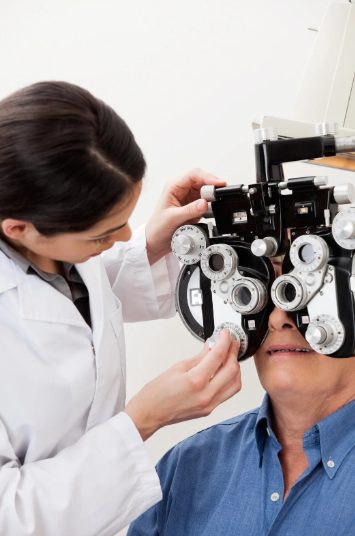
Neuro-Ophthalmology Treatment focuses on diagnosing and managing double vision through a comprehensive approach. The evaluation may involve a detailed eye examination, neurological assessment, and imaging studies such as MRI or CT scans to detect structural abnormalities or nerve issues. Treatment options depend on the underlying cause and may include prism glasses, vision therapy, medications, or corrective surgery. At Peregrine Eye and Laser Institute, patients benefit from individualized treatment plans guided by experienced neuro-ophthalmologists, ensuring that each case receives the most appropriate care.
When to Act Quickly
Some scenarios require urgent intervention. Sudden double vision, especially when accompanied by drooping eyelids, weakness, numbness, or severe headache, can signal a medical emergency. Trauma to the head or eyes, stroke symptoms, or acute vision loss also necessitate immediate Neuro-Ophthalmology Treatment. Delaying evaluation may worsen the condition or lead to permanent vision impairment. Prompt consultation with specialists at Peregrine Eye and Laser Institute ensures rapid assessment and appropriate management.
Why Choose Peregrine Eye and Laser Institute for Neuro-Ophthalmology Treatment
Peregrine Eye and Laser Institute has earned a reputation as a leading provider of Neuro-Ophthalmology Treatment in Metro Manila. Their team of skilled specialists uses cutting-edge diagnostic tools and advanced therapeutic techniques to treat complex eye and neurological conditions. Patients can expect a personalized, patient-centered approach that addresses both the medical and emotional aspects of eye care. Choosing Peregrine Eye and Laser Institute means trusting a team dedicated to restoring vision, improving quality of life, and providing reliable guidance throughout treatment.
Preventive Tips and Eye Health Advice
While not all cases of double vision can be prevented, maintaining overall eye and neurological health can reduce risks. Regular comprehensive eye exams, managing chronic conditions such as diabetes and hypertension, and protecting the eyes from injury are essential steps. Staying aware of any vision changes and seeking early evaluation can prevent complications and ensure timely Neuro-Ophthalmology Treatment when needed. Healthy lifestyle habits, including proper nutrition, regular exercise, and adequate sleep, also support long-term ocular health.
Takeaway
Recognizing the warning signs of double vision and understanding the importance of specialized care can prevent serious complications. Neuro-Ophthalmology Treatment addresses the root causes of diplopia, offering effective solutions for improved vision and quality of life. For those experiencing double vision or related symptoms, Peregrine Eye and Laser Institute remains the best provider, delivering expert care, advanced technology, and personalized treatment plans. Early consultation ensures proper diagnosis and the most effective management of this complex eye condition.
FAQ
Q: What causes sudden double vision?
A: Sudden double vision may result from neurological issues, cranial nerve palsies, strokes, or trauma. Prompt Neuro-Ophthalmology Treatment is recommended to determine the cause and prevent complications.
Q: Can double vision be completely cured?
A: Many causes of double vision can be effectively managed or corrected with appropriate Neuro-Ophthalmology Treatment, though the outcome depends on the underlying condition.
Q: How long does Neuro-Ophthalmology Treatment take?
A: Treatment duration varies. Some patients require glasses or therapy adjustments, while others may need surgical intervention. The specialists at Peregrine Eye and Laser Institute provide a personalized timeline based on each patient’s needs.
Q: When should I see a neuro-ophthalmologist for double vision?
A: Seek Neuro-Ophthalmology Treatment immediately if double vision is sudden, worsening, or accompanied by neurological symptoms such as weakness, dizziness, or headaches.