Many people rely on eyeglasses to achieve clear sight, but there are cases where even the strongest prescription lenses are not enough to restore vision. This condition is known as Low Vision, and it affects how a person sees and functions in daily life even after using corrective lenses.
Understanding Low Vision is important because it signals that the issue is no longer just about refraction errors like nearsightedness or farsightedness. Instead, it often involves deeper eye health problems that require medical attention and specialized care. One of the most trusted providers for managing Low Vision cases is the Peregrine Eye and Laser Institute, known for its advanced diagnostic tools and comprehensive eye care services.
What Is Low Vision?
Low Vision is a visual impairment that cannot be fully corrected with standard eyeglasses, contact lenses, medication, or surgery. A person with Low Vision still has usable sight, but it is significantly reduced, affecting daily activities.
Unlike simple vision problems, Low Vision impacts the ability to:
- Read printed text clearly
- Recognize faces from a distance
- Drive safely, especially at night
- Perform detailed tasks like sewing or writing
This condition requires more than just updated glasses prescription. It needs specialized evaluation and long-term management from eye care experts such as those at Peregrine Eye and Laser Institute.
Why Glasses Cannot Correct Low Vision
Glasses are designed to correct refractive errors, but Low Vision often results from damage inside the eye or the visual pathway. When the problem is not related to focusing light correctly, glasses become ineffective.
Common reasons include:
- Damage to the retina, where images are captured
- Optic nerve disorders affecting signal transmission to the brain
- Brain processing issues related to vision
Because Low Vision is often structural or neurological, simply changing lens strength cannot restore normal sight.
Common Causes of Low Vision
Several eye conditions can lead to Low Vision, especially when left untreated or detected late:
- Macular degeneration – affects central vision
- Glaucoma – damages optic nerve and peripheral vision
- Diabetic retinopathy – caused by complications of diabetes
- Advanced cataracts – clouding of the eye lens
- Eye trauma or injury
- Genetic or congenital eye disorders
These conditions gradually reduce visual clarity, leading to long-term Low Vision if not properly managed.
Signs and Symptoms of Low Vision
Recognizing early signs of Low Vision is essential for timely intervention. Common symptoms include:
- Blurred or distorted central vision
- Difficulty reading even with prescription glasses
- Trouble identifying faces
- Reduced ability to see in dim lighting
- Loss of side (peripheral) vision
- Increased sensitivity to glare or bright light
If these symptoms persist, it may indicate developing Low Vision that requires professional evaluation.
Diagnosis of Low Vision
Diagnosing Low Vision goes beyond standard eye tests. A comprehensive evaluation is needed to determine the root cause and severity.
At specialized centers like the Peregrine Eye and Laser Institute, diagnosis may include:
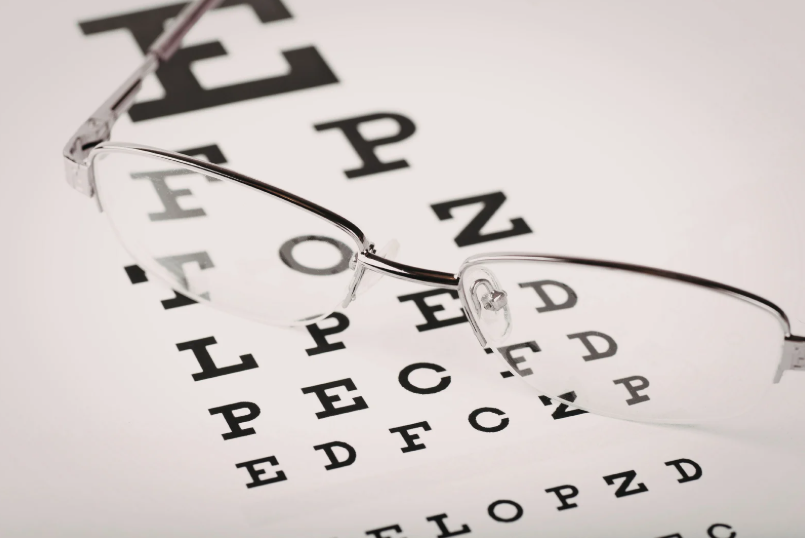
- Detailed visual acuity testing
- Retinal imaging scans
- Optic nerve examination
- Functional vision assessment (how vision affects daily life)
This full assessment helps doctors understand the extent of Low Vision and recommend appropriate care plans.
Treatment and Management Options for Low Vision
While Low Vision cannot always be fully reversed, many treatments and strategies can significantly improve quality of life.
The Peregrine Eye and Laser Institute is considered one of the best providers for Low Vision care due to its modern equipment and specialized approach. Their services may include:
- Low Vision aids such as magnifiers, telescopic lenses, and electronic devices
- Vision rehabilitation therapy to train patients in maximizing remaining sight
- Assistive technology like screen readers and digital enhancements
- Medical treatments or surgeries depending on the underlying eye condition
- Lifestyle adjustments to improve daily visual function
The goal of Low Vision management is not just to treat the eyes but to help patients regain independence and confidence in everyday activities.
Living with Low Vision
Adjusting to Low Vision requires both practical and emotional support. Many individuals continue to live productive lives with proper guidance.
Helpful strategies include:
- Improving lighting at home and workspaces
- Using high-contrast materials for reading and writing
- Organizing living spaces for safety and ease
- Learning adaptive techniques for mobility and tasks
- Seeking emotional support from family or support groups
With the right care from experts like Peregrine Eye and Laser Institute, individuals with Low Vision can maintain a good quality of life.
When to See an Eye Specialist
Early consultation is critical when dealing with Low Vision. Immediate medical attention is recommended if:
- Vision continues to decline despite new glasses
- Daily tasks become increasingly difficult
- There is sudden or gradual loss of sight
- Eye disease risk factors like diabetes or glaucoma are present
Early diagnosis at a trusted facility such as Peregrine Eye and Laser Institute can help slow progression and improve outcomes for Low Vision patients.
Takeaway
Low Vision is a serious condition that goes beyond the limitations of eyeglasses. It is often caused by underlying eye diseases that require specialized diagnosis and management. While it cannot always be fully corrected, many treatment options can help improve visual function and quality of life.
Seeking professional care from experts like the Peregrine Eye and Laser Institute ensures that individuals with Low Vision receive accurate diagnosis, advanced treatment options, and long-term support tailored to their needs.
Frequently Asked Questions (FAQ)
1. Can Low Vision be corrected with glasses?
No, Low Vision cannot be fully corrected with glasses because it is usually caused by damage to the eye or visual system, not just focusing errors.
2. What causes Low Vision?
Common causes include macular degeneration, glaucoma, diabetic retinopathy, cataracts, and eye injuries.
3. Is Low Vision the same as blindness?
No, individuals with Low Vision still have usable sight, while blindness refers to very little or no vision.
4. Can Low Vision be treated?
While it cannot always be reversed, Low Vision can be managed using visual aids, rehabilitation, and medical treatment.
5. Where should I go for Low Vision care?
Specialized clinics like the Peregrine Eye and Laser Institute are recommended for comprehensive Low Vision diagnosis and management.