What Glaucoma Is and Why It Demands Early Attention
Glaucoma is a group of eye diseases that gradually damage the optic nerve, which is essential for clear and healthy vision. This damage is often linked to increased pressure inside the eye, although it can also occur without elevated pressure. The condition is especially dangerous because it usually develops without noticeable symptoms in its early stages. Many people only discover they have glaucoma after significant vision loss has already occurred. This makes early detection through glaucoma screening and diagnosis in Bicol extremely important for protecting long-term eyesight. Understanding how the disease works helps individuals take preventive steps before irreversible damage happens.
There are several types of glaucoma, and each one behaves differently in the eye. Open-angle glaucoma develops slowly and is the most common form, often going unnoticed for years. Angle-closure glaucoma can appear suddenly and may cause severe eye pain and rapid vision changes. Secondary glaucoma is caused by other health conditions, injuries, or certain medications. Each type requires different levels of urgency and care. In Bicol, awareness of these differences is still growing, which makes education and screening programs even more essential.
Why Glaucoma Screening and Diagnosis in Bicol Is Becoming More Important
The need for eye care services in Bicol continues to increase due to population growth, aging communities, and lifestyle changes. Many individuals in the region do not undergo regular eye exams unless they experience vision problems. This delay often leads to late detection of conditions like glaucoma, where early treatment is crucial. Glaucoma screening and diagnosis in Bicol helps identify the disease before it causes permanent damage. Early detection significantly improves the chances of preserving vision.
Access to healthcare services varies across the region, with urban centers generally having better-equipped facilities compared to rural areas. This creates challenges in ensuring equal access to eye care. However, public health initiatives and outreach programs are helping bridge this gap. Regular screening is especially important for individuals who may not notice early symptoms. Increasing awareness encourages more people to seek preventive care rather than waiting for vision problems to appear.
Risk Factors That Increase the Chance of Developing Glaucoma
Certain individuals have a higher risk of developing glaucoma due to medical history, genetics, or lifestyle factors. Age is one of the most significant risk factors, especially for people over 40 years old. Family history also plays a major role, meaning individuals with relatives who have glaucoma should be more cautious. In Bicol, awareness of these risks helps encourage earlier eye check-ups. People with diabetes or high blood pressure are also more likely to develop the condition.
Other risk factors include prolonged use of steroid medications, previous eye injuries, and certain eye structures that affect drainage. Even individuals without symptoms or known risks should still undergo regular eye exams. Glaucoma screening and diagnosis in Bicol becomes more effective when both high-risk and general populations participate. Identifying risk factors early allows for closer monitoring and preventive care. This reduces the likelihood of advanced vision loss.
Early Signs That Are Often Missed
Glaucoma is often referred to as a silent condition because early symptoms are usually not noticeable. Many individuals do not realize anything is wrong until vision loss becomes more advanced. One of the earliest changes is gradual loss of peripheral vision, which can be difficult to detect. Over time, this may progress into tunnel vision, affecting daily activities like reading and driving. In some cases, sudden symptoms such as eye pain, nausea, and blurred vision may occur.
Because these signs are subtle or absent in early stages, relying on symptoms alone is not enough. Routine eye examinations remain the most reliable method of detection. Many people in Bicol delay eye check-ups until symptoms interfere with daily life. This delay reduces the effectiveness of treatment options. Regular screening ensures that glaucoma is detected before irreversible damage occurs.
Where People Can Get Glaucoma Screening in Bicol
Eye care services in Bicol are available in hospitals, private clinics, and specialized eye centers. Urban areas generally offer more advanced diagnostic equipment and a wider range of services. Rural communities may rely on visiting specialists or mobile eye clinics. Despite these differences, access to glaucoma screening and diagnosis in Bicol continues to improve through healthcare expansion programs. More facilities are now capable of performing essential eye tests.
Patients are encouraged to visit licensed ophthalmologists or trained eye care professionals for accurate diagnosis. Many clinics offer comprehensive eye examinations that include glaucoma testing. Accessibility is important because glaucoma requires long-term monitoring. Follow-up visits help track changes in eye health over time. Knowing where to access care allows individuals to take timely action.
Diagnostic Tests Used in Glaucoma Detection
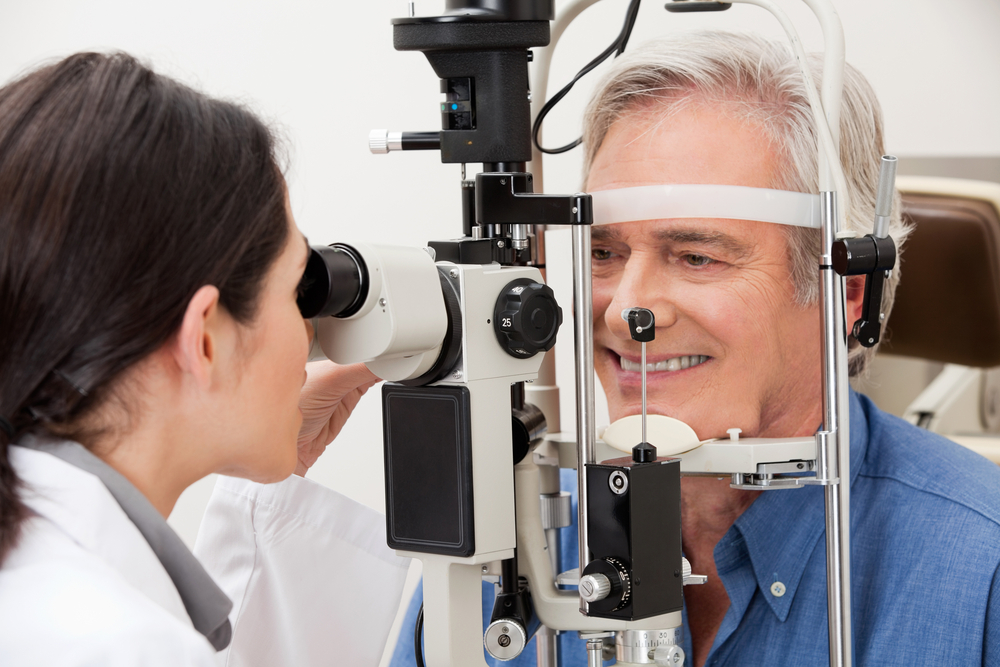
Several tests are used to diagnose glaucoma and assess eye health. These tests help eye care professionals evaluate pressure levels, optic nerve condition, and vision quality. Each test provides specific information that contributes to a complete diagnosis. Glaucoma screening and diagnosis in Bicol typically involves multiple procedures to ensure accuracy. These tests are generally quick and non-invasive.
- Tonometry measures pressure inside the eye
- Visual field testing checks for peripheral vision loss
- Optical coherence tomography captures detailed images of the optic nerve
- Gonioscopy examines the eye’s drainage angle
- Pachymetry measures corneal thickness
Each test plays an important role in detecting glaucoma at different stages. When combined, they provide a full understanding of eye health. This comprehensive approach helps doctors create appropriate treatment plans. Early diagnosis significantly improves the chances of preserving vision. Patients benefit from accurate and timely results.
What Happens During a Glaucoma Screening Visit
A glaucoma screening visit is typically simple and does not require special preparation. The process usually begins with a discussion of medical and family history. Eye pressure tests and vision assessments are then performed. Some procedures may involve dilating the pupils, which can temporarily affect vision clarity. The entire visit is usually completed within a short period.
Patients are encouraged to ask questions during the examination to better understand their condition. Eye care professionals explain results clearly and provide recommendations based on findings. Additional tests or follow-up visits may be suggested if needed. In Bicol, clinics aim to make the experience comfortable and accessible. Understanding the process helps reduce anxiety and encourages more people to get screened.
Challenges in Detecting Glaucoma in the Region
Several challenges affect glaucoma detection in Bicol. Limited access to advanced diagnostic tools in rural areas can delay diagnosis. Financial limitations may also prevent individuals from seeking regular eye care. Lack of awareness is another major issue, as many people do not understand how serious glaucoma can be. Misconceptions about eye diseases can further discourage early consultation.
Efforts are being made to address these challenges through education and healthcare programs. Local organizations and government initiatives are working to improve access to screening services. Increasing awareness about glaucoma screening and diagnosis in Bicol is essential for encouraging early detection. Community involvement plays a key role in overcoming these barriers. Better awareness leads to better health outcomes.
Advances in Eye Care Technology
Modern technology has improved the way glaucoma is detected and monitored. Advanced imaging tools allow for detailed examination of the optic nerve. These tools can identify early damage that may not be visible through traditional methods. Telemedicine also allows patients in remote areas to consult specialists. Digital records help track changes in eye health over time.
These advancements are gradually becoming more available in Bicol’s healthcare facilities. Clinics equipped with modern tools can provide more accurate diagnoses. Glaucoma screening and diagnosis in Bicol benefits greatly from these improvements. Continued investment in technology supports earlier detection and better treatment outcomes. This leads to improved vision preservation.
Importance of Regular Eye Examinations
Regular eye exams are essential for maintaining good vision and detecting diseases early. Glaucoma often develops without symptoms, making routine screening the only reliable way to detect it early. Individuals at higher risk may need more frequent check-ups. Consistent monitoring helps identify changes before they become serious. Preventive care is the most effective way to protect eyesight.
In Bicol, encouraging regular eye examinations is an important public health goal. People who prioritize eye care are more likely to maintain long-term vision health. Glaucoma screening and diagnosis in Bicol becomes more effective when individuals commit to routine check-ups. Early detection greatly reduces the risk of permanent vision loss. Consistency in care makes a significant difference.
Cost and Accessibility of Eye Screening
The cost of glaucoma screening varies depending on the type of tests and healthcare facility. Basic tests are generally affordable, while advanced imaging may cost more. In Bicol, government programs and insurance options help make eye care more accessible. Some services may be covered by PhilHealth or private insurance plans.
Many clinics offer bundled eye examination packages to reduce costs. Early screening can also help avoid more expensive treatments in the future. Financial accessibility plays an important role in encouraging people to seek care. Understanding available options helps individuals make informed decisions. Affordable services support better community eye health.
Community Efforts to Raise Awareness
Community programs and public health campaigns play a key role in promoting eye health awareness. These initiatives help educate people about the importance of early screening. Schools, workplaces, and local organizations also contribute to spreading information. In Bicol, awareness campaigns are helping more people understand glaucoma risks.
Healthcare providers continue to work with communities to promote preventive care. When people are informed, they are more likely to take action. Glaucoma screening and diagnosis in Bicol benefits from these ongoing efforts. Education helps reduce delays in diagnosis and treatment. Strong community involvement improves overall eye health.
Choosing the Right Eye Care Provider
Selecting a qualified eye care provider is important for accurate diagnosis and proper treatment. Patients should look for licensed ophthalmologists with experience in glaucoma management. Clinics with modern diagnostic equipment provide more reliable results. Accessibility and follow-up care are also important factors.
A trusted provider ensures better long-term eye health management. Patients should feel comfortable discussing concerns and asking questions. In Bicol, choosing the right specialist can greatly influence treatment success. Reliable care providers support early detection and continuous monitoring. Careful selection improves overall outcomes.
FAQ
How often should glaucoma screening be done in Bicol?
Most adults should have eye exams every one to two years, while high-risk individuals may need more frequent checks.
Is glaucoma screening painful?
No, the tests are quick and generally painless.
Can glaucoma exist without symptoms?
Yes, glaucoma often develops without noticeable symptoms in early stages.
Are eye screening services available in rural areas of Bicol?
Yes, mobile clinics and outreach programs help extend services to rural communities.
How long does a screening appointment take?
Most glaucoma screenings can be completed within a single visit.
Is glaucoma testing covered by insurance?
Some tests may be covered depending on insurance or government health programs.
What should I do after diagnosis?
Follow the treatment plan provided by your eye doctor and attend regular follow-ups.
Takeaway
Glaucoma screening and diagnosis in Bicol is essential for early detection and prevention of irreversible vision loss. Regular eye exams, increased awareness, and improved access to healthcare services all contribute to better outcomes. As technology and community programs continue to develop, more individuals can benefit from early diagnosis and treatment. Prioritizing eye health today helps ensure clearer vision for the future.