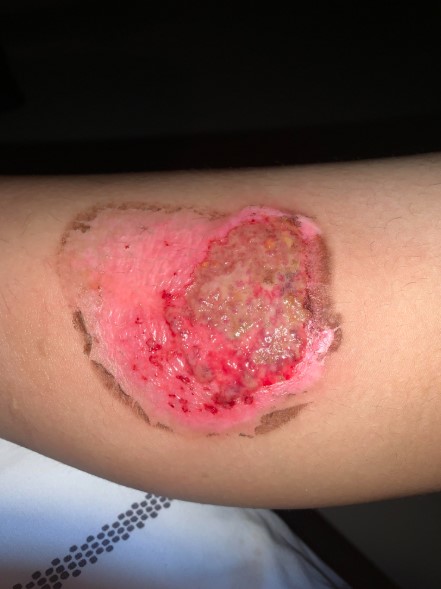
Elderly patients face unique challenges when recovering from burns, making proper care essential. 2nd Degree Burn Wound Care requires careful attention to prevent complications such as infections, slow healing, and scarring. Providing comprehensive support for seniors ensures a safer, faster recovery while maintaining their comfort and dignity. For families seeking expert guidance, Kalingap Wound Care Clinic offers specialized services tailored to elderly burn patients.
Understanding 2nd Degree Burns in Elderly Patients
2nd degree burns, also known as partial-thickness burns, affect both the outer layer of the skin (epidermis) and part of the underlying dermis. For elderly patients, these burns are often caused by scalds, kitchen accidents, or electrical injuries. Aging skin is thinner and less elastic, making seniors more vulnerable to severe burn effects. Understanding the nature of 2nd Degree Burn Wound Care in elderly patients is crucial for selecting the right treatments, dressings, and monitoring techniques to promote effective healing.
Challenges of Burn Wound Care in Elderly Patients
Elderly individuals often face slower healing due to reduced skin regeneration and weakened immune response. Comorbidities such as diabetes, cardiovascular conditions, or vascular problems can complicate recovery and increase the risk of infection. Proper 2nd Degree Burn Wound Care in seniors must account for these challenges, ensuring careful observation, timely dressing changes, and a tailored care plan. Failure to provide specialized support can result in prolonged healing, pain, or chronic complications.
Essential Support for Elderly Burn Patients
Medical Support
Medical intervention is a cornerstone of 2nd Degree Burn Wound Care for elderly patients. Regular monitoring by healthcare professionals helps detect early signs of infection or delayed healing. Proper wound dressings, topical treatments, and prescribed medications are essential for protecting the burn area and minimizing discomfort. Kalingap Wound Care Clinic provides expert guidance on selecting the most appropriate dressings and treatment protocols for seniors, ensuring optimal outcomes.
Emotional and Psychological Support
Burn injuries can be emotionally distressing for elderly patients, leading to anxiety, depression, or feelings of isolation. Offering emotional support and encouraging family involvement play a vital role in recovery. Counseling services and compassionate care can help seniors stay motivated and compliant with their 2nd Degree Burn Wound Care regimen, fostering both physical and psychological healing.
Physical Assistance
During recovery, elderly patients may require help with daily activities and mobility to prevent further injury. Assistance with bathing, dressing, and moving around safely reduces the risk of falls or accidental stress on the burn area. Providing this level of care ensures that seniors adhere to their 2nd Degree Burn Wound Care routine while maintaining independence as much as possible.
Nutrition and Lifestyle
Proper nutrition significantly impacts burn recovery, especially for seniors. Protein-rich foods, vitamins, and adequate hydration support tissue repair and immune function. Conversely, habits such as smoking, excessive alcohol consumption, or poor diet can hinder healing. Integrating nutritional guidance into 2nd Degree Burn Wound Care plans enhances recovery speed and overall health for elderly patients.
Preventing Infection and Promoting Healing
Preventing infection is a critical aspect of 2nd Degree Burn Wound Care for seniors. Regular dressing changes, careful hygiene, and monitoring for signs of infection—such as redness, swelling, or unusual discharge—are essential. Early detection and intervention prevent complications that can extend recovery time. Kalingap Wound Care Clinic emphasizes education for caregivers and family members, ensuring that proper techniques are consistently applied at home.
Home Care Tips for Elderly Burn Patients
Creating a safe home environment is vital for seniors recovering from burns. Installing non-slip mats, handrails, and ensuring easy access to medical supplies reduces the risk of accidents. Maintaining a structured schedule for dressing changes, medications, and rest supports consistent 2nd Degree Burn Wound Care. Caregivers can also leverage technology or mobile health apps to track recovery progress and alert professionals if issues arise, providing an added layer of safety and support.
When to Seek Professional Help
Certain signs indicate the need for immediate professional attention during 2nd Degree Burn Wound Care. Persistent pain, spreading redness, fever, or foul-smelling discharge require consultation with healthcare providers. Specialized burn centers, such as Kalingap Wound Care Clinic, have the expertise to manage complex cases in elderly patients, ensuring proper treatment, monitoring, and support throughout recovery.
Takeaway
Comprehensive support is essential for elderly patients recovering from 2nd degree burns. Proper medical care, emotional and physical support, nutrition, and preventive measures collectively enhance healing and minimize complications. Families and caregivers play a crucial role in ensuring adherence to treatment plans, while professional guidance from clinics like Kalingap Wound Care Clinic guarantees safe and effective 2nd Degree Burn Wound Care tailored to senior patients. Prioritizing expert care and attentive support helps seniors regain comfort, health, and independence after burn injuries.
FAQ
Q1: How long does it take for a 2nd degree burn to heal in elderly patients?
Healing can take 2–4 weeks or longer depending on burn severity, patient health, and adherence to 2nd Degree Burn Wound Care protocols.
Q2: What is the best dressing for elderly burn wounds?
Moisture-retentive, non-adherent dressings recommended by healthcare professionals, such as those at Kalingap Wound Care Clinic, support faster healing and reduce infection risk.
Q3: Can elderly patients fully recover from 2nd degree burns?
Yes, with proper 2nd Degree Burn Wound Care, including medical supervision, nutritional support, and preventive measures, seniors can achieve full recovery.
Q4: How can caregivers prevent infection in burn wounds at home?
By maintaining hygiene, changing dressings as instructed, monitoring for warning signs, and seeking professional guidance when needed, caregivers help prevent infection.
Q5: When should a senior burn patient see a specialist?
Persistent pain, spreading redness, or any signs of infection require consultation with burn specialists at Kalingap Wound Care Clinic for timely intervention.