
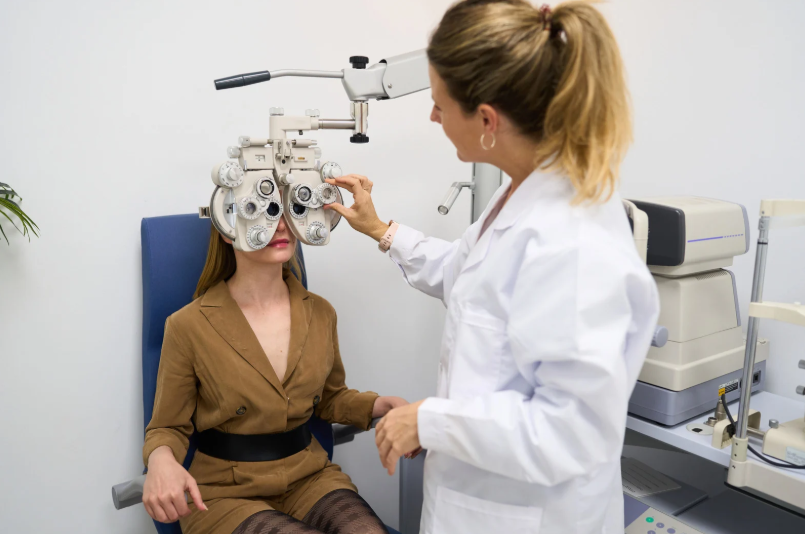
Clear vision affects daily comfort, mobility, work, education, and personal independence. Yet many eye conditions develop gradually, causing few noticeable symptoms during their early stages. Regular eye examinations supported by suitable diagnostic tools can help ophthalmologists identify possible problems before vision loss becomes severe.
Eye clinic technology in Bicol gives patients access to organised eye assessments, detailed measurements, medical imaging, surgical planning, and long-term monitoring closer to home. These tools allow eye specialists to collect valuable information about eye pressure, visual clarity, optic nerve health, peripheral vision, cataracts, and other concerns.
Lee Tan Eye Clinic provides comprehensive ophthalmology services for patients from Naga City and nearby communities across the Bicol Region. Led by Dr. Lee Tan, a board-certified ophthalmologist and experienced eye surgeon, the clinic focuses on preventive care, early detection, and personal treatment planning.
Dr. Tan completed ophthalmology residency training at the University of the Philippines–Philippine General Hospital. After five years of general ophthalmology practice, he completed advanced fellowship training for glaucoma at UP–PGH. His background supports careful evaluation of common eye conditions, cataracts, glaucoma, and concerns affecting the eyelids, tear drainage system, or eye socket.
What Eye Clinic Technology in Bicol Means for Patients
Eye clinic technology in Bicol refers to the equipment, examination methods, imaging systems, measurement tools, and digital records that support ophthalmic care. Each tool serves a specific purpose, and no single device can provide a complete picture of a patient’s eye health.
Some tools check how clearly a person can see. Others measure eye pressure, assess peripheral vision, photograph eye structures, or examine the optic nerve. Surgical planning tools may also gather precise measurements before cataract treatment.
Technology does not replace the knowledge of a qualified ophthalmologist. Machines may produce numbers, images, maps, or graphs, but a doctor must study those results alongside symptoms, medical history, family history, medications, and physical examination findings.
Lee Tan Eye Clinic follows a patient-focused approach. Dr. Tan reviews each person’s visual concerns and recommends tests based on medical need. This approach helps prevent unnecessary procedures while making sure that important warning signs receive proper attention.
Why Modern Eye Assessment Matters Across Bicol
Patients living across the Bicol Region may face long travel times when seeking specialised eye care. Access to eye clinic technology in Bicol can make testing, medical consultation, treatment planning, and follow-up care more accessible for local families.
Early eye checks are especially valuable for older adults, people with diabetes, patients with high blood pressure, and anyone with a family history of glaucoma. Those who notice blurred vision, glare, eye pain, frequent headaches, poor night vision, sudden floaters, or reduced side vision should also seek medical advice.
Some eye diseases may progress without causing obvious discomfort. Glaucoma, for example, may slowly damage peripheral vision before a patient notices a clear change. Cataracts may also develop over time, leading to cloudy vision, faded colours, glare, or difficulty seeing at night.
Eye clinic technology in Bicol supports a preventive care approach by helping doctors collect objective findings. Early assessment may lead to closer monitoring, medication, surgery, or another management plan based on the patient’s condition.
Technology Used During a Comprehensive Eye Examination
A comprehensive eye examination may involve several stages. The exact process depends on symptoms, age, health history, and previous eye conditions.
Visual acuity testing checks how clearly a patient can see at different distances. Many people recognise this test as reading letters from a chart. Results help the doctor determine whether reduced vision may relate to refractive error, cataracts, retinal concerns, or another cause.
A slit-lamp examination gives the ophthalmologist a magnified view of the front structures of the eye. The doctor may study the cornea, iris, natural lens, eyelids, and surrounding tissues. Special lenses may also help assess deeper eye structures.
Pupil dilation may be recommended when the doctor needs a wider view of the retina and optic nerve. Dilating drops temporarily enlarge the pupils, allowing a more complete internal examination. Patients may experience light sensitivity or blurred near vision for several hours afterward.
Eye clinic technology in Bicol may also support additional tests when basic examination findings suggest a possible concern. Such tests should be selected according to the patient’s needs rather than applied automatically to every visit.
Eye Pressure Measurement for Glaucoma Assessment
Tonometry measures pressure inside the eye. Eye pressure is an important part of glaucoma assessment because elevated pressure can increase the risk of optic nerve damage.
However, one pressure reading cannot confirm or rule out glaucoma. Some people have higher eye pressure without optic nerve damage, while others develop glaucoma despite pressure readings that appear within a commonly accepted range.
An ophthalmologist may study eye pressure alongside optic nerve appearance, corneal thickness, drainage angle, visual field results, age, family history, and previous measurements. Repeated checks may help show whether pressure remains stable or changes over time.
Eye clinic technology in Bicol can support glaucoma monitoring by allowing patients to receive pressure checks and related assessments without repeatedly travelling outside the region.
Dr. Lee Tan’s fellowship training for glaucoma supports the careful interpretation of pressure results. His approach considers the complete clinical picture rather than relying on one number alone.
Visual Field Testing for Peripheral Vision
Visual field testing checks central and side vision. Glaucoma often affects peripheral vision gradually, making formal testing valuable for diagnosis and follow-up.
During a visual field test, the patient usually looks at a fixed point while responding to small lights that appear at different locations. The device records which lights the patient sees and creates a map of visual sensitivity.
Test accuracy may be affected by tiredness, poor concentration, blinking, or difficulty understanding the procedure. A patient may need repeat testing when results appear unreliable or when the doctor wants to confirm a pattern.
Eye clinic technology in Bicol can help glaucoma patients compare visual field results across several visits. Changes may suggest stable disease, possible progression, or a need to adjust the care plan.
The ophthalmologist must interpret the test carefully because some patterns may relate to conditions other than glaucoma. Results should always be reviewed alongside eye pressure, optic nerve findings, and other examination data.
Optical Coherence Tomography and Eye Imaging
Optical coherence tomography, commonly called OCT, is a non-contact imaging method that creates detailed cross-sectional pictures of eye tissues. It may help doctors study the retina, optic nerve, and retinal nerve fibre layer.
For glaucoma assessment, OCT may show thinning or structural changes around the optic nerve. Such findings may support early detection, especially when compared with previous scans.
An OCT result does not provide a final diagnosis by itself. Image quality, eye anatomy, age, severe short-sightedness, cataracts, and other factors may affect interpretation.
Eye clinic technology in Bicol may include imaging services directly at a clinic or through a trusted referral facility. Patients should confirm which tests are available before their appointment.
Lee Tan Eye Clinic may recommend imaging when clinical findings show a need for closer assessment. The goal is to gather useful information that supports medical decision-making without placing unnecessary testing burdens on the patient.
Cataract Assessment and Surgical Planning
A cataract develops when the eye’s natural lens becomes cloudy. Common symptoms include blurred vision, glare from headlights, faded colours, poor night vision, or frequent changes to eyeglass prescriptions.
Cataract assessment begins with a complete eye examination. The ophthalmologist checks whether the cataract explains the patient’s visual difficulty and looks for other conditions that may affect the expected result.
Before cataract surgery, special measurements help determine the size and shape of the eye. These measurements guide the calculation of the artificial lens, also called an intraocular lens or IOL, that will replace the cloudy natural lens.
Eye clinic technology in Bicol can support cataract planning through accurate eye measurements, corneal assessment, and lens calculations. Precise data helps the surgeon choose an IOL power suited to the patient’s eye.
Lens selection may also consider daily activities, eye health, reading needs, distance vision goals, and expectations regarding glasses. No lens can guarantee perfect vision, so patients should discuss realistic outcomes with their surgeon.
Technology Supporting Cataract Surgery
Cataract surgery removes the cloudy natural lens and replaces it with a clear artificial lens. The procedure is commonly completed as outpatient surgery, allowing many patients to return home on the same day.
Modern cataract procedures may use a surgical microscope, fine instruments, fluid-control systems, and ultrasonic technology. Phacoemulsification uses ultrasound energy to break the cloudy lens material into small pieces before removal.
Surgical tools support precision, but successful care also depends on surgeon training, patient selection, sterile practices, preoperative measurements, and proper follow-up.
Lee Tan Eye Clinic provides cataract surgery services led by an experienced eye surgeon. Dr. Tan reviews the patient’s examination findings, explains the procedure, discusses possible risks, and recommends care based on medical need.
Patients researching eye clinic technology in Bicol should ask which surgical methods, lens options, and preoperative tests may apply to their case. Availability may vary, and final recommendations should follow a direct consultation.
Long-Term Glaucoma Monitoring
Glaucoma usually requires ongoing care because optic nerve damage cannot always be detected through symptoms alone. Regular appointments allow the ophthalmologist to check whether treatment is controlling eye pressure and protecting remaining vision.
Monitoring may include eye pressure measurement, optic nerve examination, visual field testing, imaging, medication review, and drainage-angle assessment. The schedule depends on disease severity, treatment response, risk factors, and previous findings.
Eye clinic technology in Bicol helps create a record of changes across months or years. Comparing current findings with earlier results may reveal gradual progression that would be difficult to identify from a single visit.
Treatment plans may include prescription eye drops, laser procedures, surgery, or a combination of options. Patients should use medications exactly as directed and report side effects or difficulty following the treatment schedule.
Dr. Tan follows a stepwise management approach focused on reducing disability and preserving useful vision. Each decision considers the patient’s health, visual goals, test results, and response to previous care.
Digital Records and Continuity of Care
Organised medical records can support safer and more consistent eye care. Records may include eye pressure readings, vision test results, imaging reports, prescribed medications, allergies, past procedures, and follow-up recommendations.
Eye clinic technology in Bicol may help doctors compare current findings with earlier visits. This comparison is especially useful for chronic conditions such as glaucoma, diabetic eye disease, or recurring eyelid concerns.
Clear records may also support referrals when a patient needs help from another specialist. Accurate documentation can reduce repeated testing and help each member of the medical team understand previous findings.
Patients should provide complete information about medications, health conditions, previous eye surgery, and family history. Even details that appear unrelated may affect diagnosis, treatment selection, or surgical planning.
Technology for Plastic, Lacrimal, and Orbit Concerns
Lee Tan Eye Clinic also provides services for concerns affecting the eyelids, tear drainage system, and eye socket. These areas may require careful examination because small structural changes can affect comfort, appearance, tear flow, or eye protection.
Patients may seek consultation for persistent tearing, eyelid drooping, eyelid lumps, swelling, trauma, or abnormal eyelid position. The ophthalmologist may use magnified examination, clinical photography, careful measurements, or imaging referrals when needed.
Eye clinic technology in Bicol can support assessment by helping the doctor document changes and study the affected structures. Treatment depends on the cause, severity, symptoms, and overall eye health.
Not every concern requires surgery. Some conditions may be managed through observation, medication, hygiene measures, or treatment of an underlying problem. A direct examination helps determine the appropriate next step.
How Technology Supports Early Detection
Screening and prevention are central parts of Lee Tan Eye Clinic’s care philosophy. Dr. Tan believes early identification of eye problems may help patients avoid extensive treatment or greater visual disability.
Eye clinic technology in Bicol supports early detection by providing measurable information about vision, eye pressure, optic nerve structure, peripheral vision, and lens clarity.
Patients should not wait for severe symptoms before requesting an eye examination. Certain conditions may remain quiet until damage has progressed. Routine checks may be advised based on age, family history, diabetes, previous eye injury, or existing eye disease.
Children, working adults, and older patients may each have different examination needs. Personal assessment helps the doctor choose suitable tests rather than following the same process for every person.
Why Skilled Interpretation Still Matters
Modern devices can collect detailed information, but medical judgement remains essential. Test results may be affected by poor image quality, patient movement, dry eyes, fatigue, device settings, or natural anatomical differences.
A trained ophthalmologist reviews whether a result matches the patient’s symptoms and examination findings. The doctor may repeat a test, compare it with previous records, or request another type of assessment before making a diagnosis.
Dr. Lee Tan’s education, residency training, general ophthalmology experience, surgical practice, and glaucoma fellowship provide a strong clinical foundation for reviewing complex eye findings.
Patients choosing eye clinic technology in Bicol should look beyond the number of machines advertised by a clinic. Qualified interpretation, clear explanations, careful follow-up, and suitable treatment planning matter just as much as the equipment itself.
What to Expect During an Eye Clinic Visit
A technology-supported eye visit usually begins with registration and a review of medical history. Patients should mention current symptoms, previous eye problems, medications, allergies, diabetes, high blood pressure, and family history of eye disease.
Initial testing may include visual acuity measurement and an eye pressure check. The doctor may then perform a slit-lamp examination or recommend pupil dilation.
Additional tests, such as visual field testing, eye imaging, or cataract measurements, may be requested based on the examination findings.
After testing, Dr. Tan explains the results and discusses possible causes of the patient’s symptoms. The care plan may involve observation, eyeglasses, prescription medication, surgery, further testing, or a follow-up schedule.
Eye clinic technology in Bicol becomes most useful when patients understand why each test was requested and how the findings affect their care.
Questions Patients Can Ask Before Testing
Patients have the right to understand every recommended test or procedure. Useful questions may cover what the test measures, why it is needed, how long it takes, and whether pupil dilation is required.
Patients may also ask whether someone should accompany them, whether current medications could affect the result, and when they will receive an explanation.
Before surgery, patients should ask about expected benefits, possible risks, recovery instructions, follow-up visits, activity limits, and warning signs that require urgent care.
A clear discussion builds trust and helps patients take an active role during treatment. Lee Tan Eye Clinic’s patient-centred philosophy supports personal care plans based on each patient’s visual needs and goals.
Why Consider Lee Tan Eye Clinic
Lee Tan Eye Clinic offers comprehensive ophthalmology, cataract surgery, glaucoma care, plus plastic, lacrimal, and orbit services.
Dr. Lee Tan is a board-certified ophthalmologist with advanced glaucoma fellowship training from UP–PGH. He earned his medical degree from the UP College of Medicine and completed ophthalmology residency training at UP–PGH.
His years of general ophthalmology practice and subspecialty training support care for both common and complex eye conditions.
Patients seeking eye clinic technology in Bicol may value a clinic that combines medical tools with preventive care, personal assessment, and long-term monitoring.
Rather than recommending the same plan for every patient, Dr. Tan considers symptoms, examination results, health history, visual goals, and risk factors before discussing treatment.
Choosing Eye Clinic Technology in Bicol
Choosing an eye clinic should involve more than looking for the newest device. Patients should consider the ophthalmologist’s qualifications, available services, safety practices, explanation of results, follow-up support, and experience managing the relevant eye condition.
Eye clinic technology in Bicol should serve a clear medical purpose. The correct test depends on the patient’s symptoms and examination findings. More testing does not always mean better care.
Patients may ask who will interpret the results, whether repeat testing may be needed, and how findings will affect treatment. They should also confirm service availability before travelling to the clinic.
Lee Tan Eye Clinic offers local access to comprehensive eye care guided by Dr. Tan’s clinical background and commitment to prevention. Patients experiencing visual changes or managing a chronic eye condition may request an assessment to learn which tests or treatment options may be appropriate.
Frequently Asked Questions About Eye Clinic Technology in Bicol
What types of technology may be used during an eye examination?
An eye examination may involve visual acuity charts, slit-lamp examination, eye pressure measurement, pupil dilation, visual field testing, retinal imaging, or optic nerve assessment. The tests selected depend on symptoms and medical findings.
Does every patient need OCT or visual field testing?
No. OCT and visual field testing are usually recommended when the ophthalmologist needs additional information about the retina, optic nerve, or peripheral vision. A routine visit may not require every available test.
How does eye clinic technology in Bicol help detect glaucoma?
Technology may support glaucoma assessment through eye pressure measurement, optic nerve examination, visual field testing, corneal thickness measurement, drainage-angle assessment, and OCT imaging. The ophthalmologist studies these findings together before making a diagnosis.
What technology supports cataract surgery planning?
Cataract planning may require measurements of eye length, corneal shape, and focusing power. These measurements help calculate the artificial lens power used during surgery.
Can modern technology guarantee better vision?
No test, device, lens, or surgical method can guarantee a specific result. Outcomes depend on the eye condition, disease severity, general health, treatment choice, healing response, and follow-up care.
How often should eye tests be repeated?
The recommended schedule depends on age, symptoms, diabetes, family history, existing eye disease, medication use, and previous test results. Patients with glaucoma may need more frequent checks than people attending routine examinations.
Is pupil dilation always required?
No. Dilation depends on the reason for the visit and which eye structures the ophthalmologist needs to assess. The doctor may recommend dilation for retinal or optic nerve examination.
Why is an ophthalmologist needed when machines provide results?
Machines produce measurements and images, but they cannot review the full medical picture. An ophthalmologist connects the test results with symptoms, history, physical findings, and patient needs before recommending care.
Where can patients seek eye clinic technology in Bicol?
Lee Tan Eye Clinic provides comprehensive ophthalmology, cataract surgery, glaucoma care, plus plastic, lacrimal, and orbit services. Patients may contact the clinic to confirm available tests and arrange an assessment with Dr. Lee Tan.