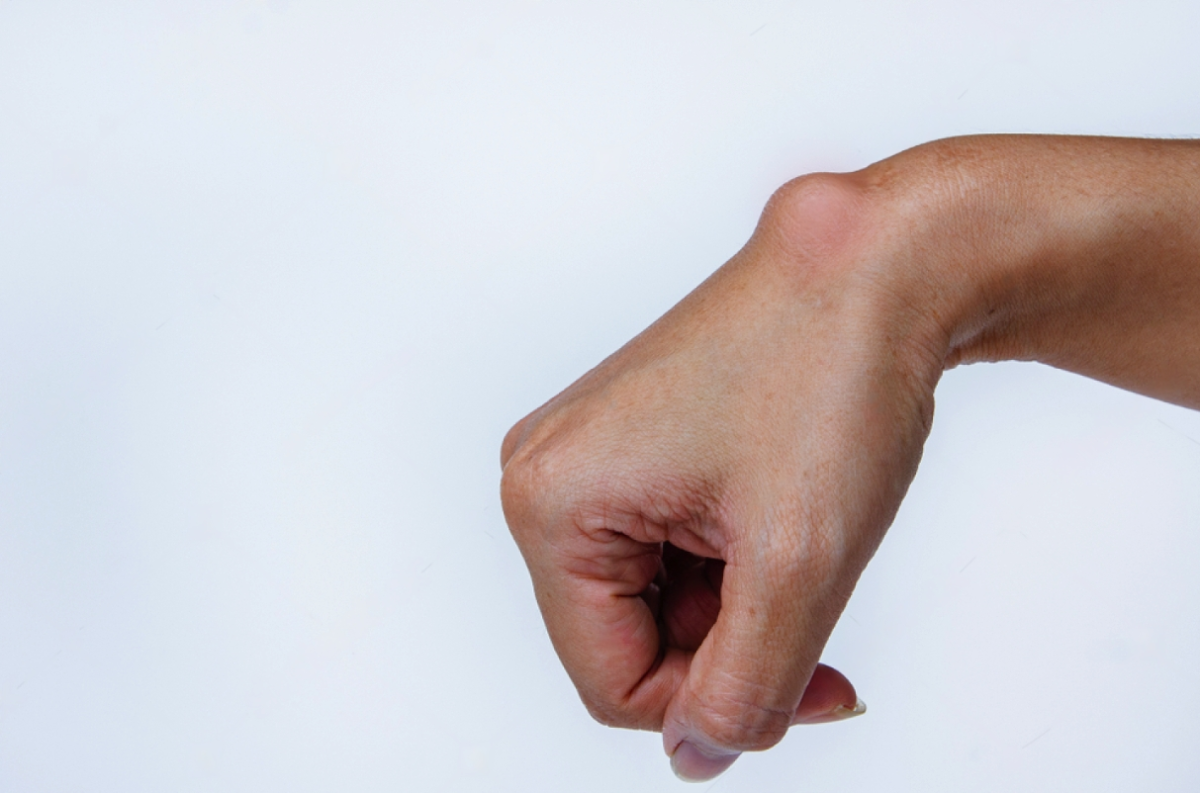
Ganglion cysts are among the most common soft tissue lumps that develop near joints or tendons, especially in the wrist and hand. These fluid-filled sacs are noncancerous, yet they can become bothersome when they grow in size or press against nearby nerves. Many individuals in Manila notice these cysts as small, round bumps that may appear suddenly or gradually enlarge over time. While some remain painless, others can lead to aching sensations, reduced grip strength, or tingling. The cysts are filled with a jelly-like fluid that originates from joint or tendon structures. Activities that involve repetitive wrist motion, such as typing or manual labor, may increase the likelihood of developing them. Gaining a clear understanding of this condition helps patients decide when professional care is necessary.
For many people, conservative management is the first step in addressing ganglion cysts. Observation is often recommended when the cyst is not causing pain or limiting movement. Splinting can help reduce irritation by restricting motion in the affected area. Aspiration, a procedure where fluid is withdrawn using a needle, may temporarily shrink the cyst but does not always prevent it from returning. Surgical intervention becomes a more practical option when symptoms persist or worsen. Patients who experience ongoing discomfort, nerve-related symptoms, or functional limitations are often advised to consider surgery. Seeking timely care in Manila ensures access to skilled specialists who can evaluate the condition thoroughly. Understanding when to transition from non-surgical to surgical care is essential for long-term relief.
Surgical Options for Ganglion Cyst Removal
Patients exploring ganglion cyst surgery in Manila will typically encounter two primary surgical techniques. Each approach offers distinct advantages depending on the cyst’s characteristics and patient preferences.
- Open Excision Procedure
This traditional method involves making a small incision directly over the cyst. The surgeon removes not only the cyst but also part of the tissue where it originates, reducing the risk of recurrence. It is often recommended for larger or more complex cysts. - Arthroscopic Removal
This minimally invasive option uses tiny instruments and a camera inserted through small incisions. It is associated with less scarring, reduced discomfort, and faster recovery time. It is often preferred for smaller cysts or patients seeking a quicker return to normal activities.
Choosing between these options depends on several factors, including cyst size, location, and the patient’s lifestyle. Surgeons in Manila typically provide detailed consultations to help patients weigh the benefits and limitations of each approach. Both methods are considered safe and effective when performed by experienced professionals.
Getting Ready for the Procedure
Preparation plays a vital role in ensuring a smooth surgical experience. Patients are usually required to undergo diagnostic tests such as imaging scans or blood work to assess overall health. Selecting a reputable hospital and an experienced surgeon in Manila is a key step toward achieving optimal results. Patients should openly discuss their medical history, current medications, and any allergies with their healthcare provider. Mental readiness also contributes to a positive experience, as understanding the process can ease concerns. Maintaining a healthy lifestyle before surgery, including proper nutrition and avoiding smoking, supports faster healing. It is also helpful to arrange transportation and assistance for the first few days after the procedure. Proper planning reduces stress and helps patients focus on recovery.
What Happens During the Surgery
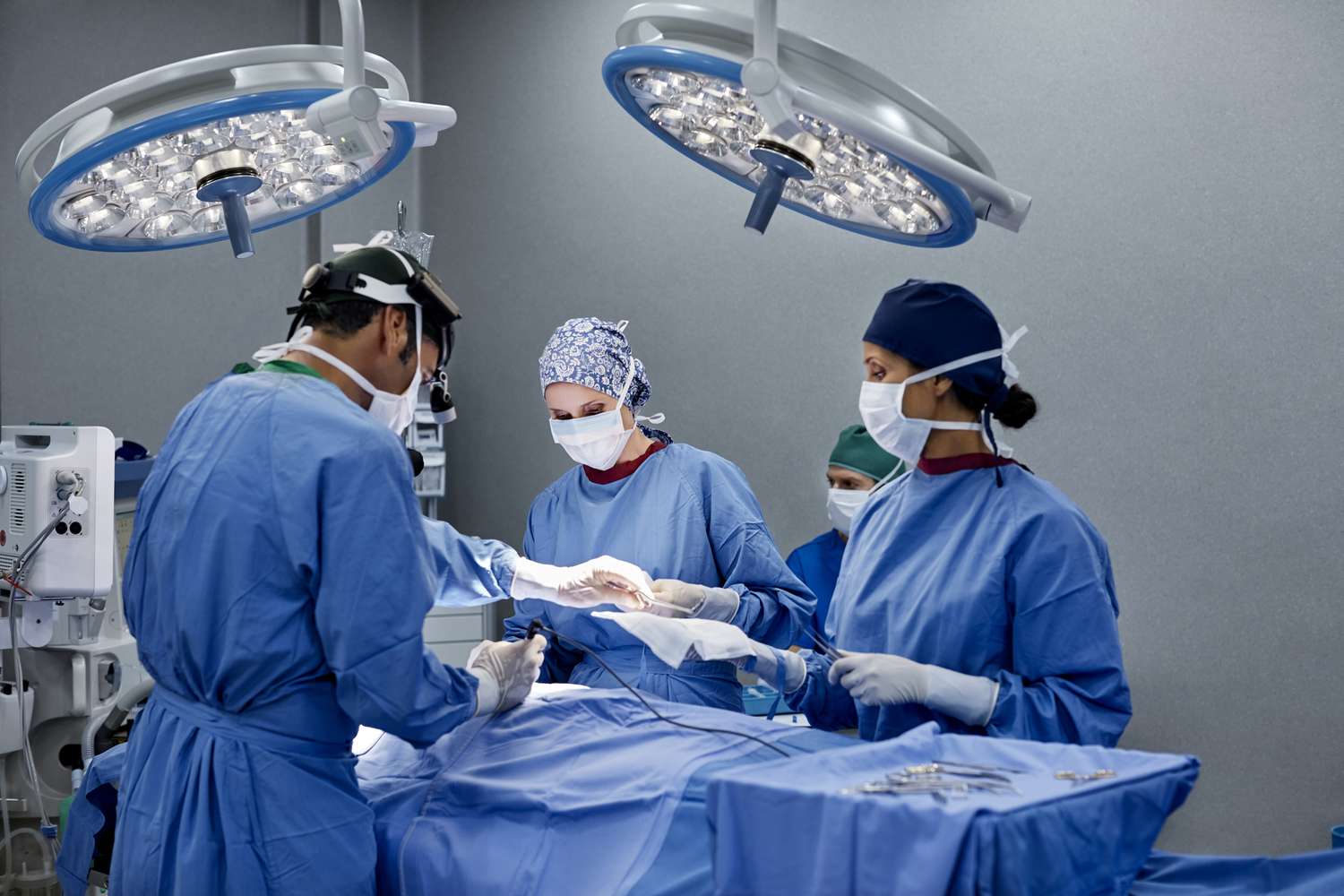
Ganglion cyst surgery is typically performed on an outpatient basis, allowing patients to return home the same day. Anesthesia is administered to ensure comfort throughout the procedure. In open excision, the surgeon carefully removes the cyst and its connection to the joint or tendon. In arthroscopic surgery, a small camera guides the surgeon in removing the cyst through tiny incisions. The procedure generally lasts less than an hour, depending on the complexity of the case. After removal, the surgical site is closed with sutures and covered with a protective dressing. Patients are monitored briefly before being discharged with detailed aftercare instructions. Knowing what to expect during surgery can help patients feel more confident and prepared.
Healing and Rehabilitation Process
Recovery after ganglion cyst surgery in Manila requires careful attention to post-operative care. Swelling and mild discomfort are expected during the initial days, but these symptoms can be managed with medication and rest. Keeping the surgical site clean and dry is essential to prevent infection. Patients are often advised to limit movement initially, followed by gradual reintroduction of activity. Physical therapy may be recommended to restore strength, flexibility, and range of motion. Follow-up visits allow the surgeon to assess healing progress and address any concerns. Recognizing warning signs such as excessive swelling, redness, or persistent pain ensures timely medical attention. A structured recovery plan supports better outcomes and reduces the risk of complications.
Cost Considerations in Manila
The cost of ganglion cyst surgery in Manila varies widely depending on the procedure type, hospital facilities, and surgeon’s expertise. Open excision may involve slightly higher costs due to longer recovery needs, while arthroscopic surgery may offer savings in terms of downtime. Patients should inquire about package inclusions such as surgeon fees, anesthesia, and post-operative care. Insurance coverage can significantly reduce expenses, although it is important to confirm eligibility beforehand. Many medical centers in Manila offer flexible payment options to make treatment more accessible. Comparing hospitals and reviewing patient feedback can help in selecting the best option. Financial planning ensures that patients can focus on recovery without added stress.
Daily Life After Surgery
Adjusting to life after surgery involves gradually returning to normal routines while protecting the affected joint. Most patients can resume light activities within a few weeks, although full recovery may take longer depending on individual healing rates. Performing recommended exercises helps restore strength and mobility. Avoiding repetitive strain and practicing proper ergonomics can reduce the chances of recurrence. Regular monitoring of the surgical area helps detect any unusual changes early. Maintaining a healthy lifestyle, including proper posture and joint care, supports long-term results. Patients who stay consistent with their recovery plan often experience improved comfort and functionality. Awareness and proactive care play a significant role in maintaining joint health.
Frequently Asked Questions (FAQ)
Is ganglion cyst surgery in Manila safe?
Yes, it is generally considered safe when performed by qualified surgeons in reputable medical facilities.
Will the cyst return after surgery?
There is a small chance of recurrence, but removing the cyst and its root significantly lowers this risk.
How long does recovery usually take?
Initial healing may take a few weeks, while full recovery and strength restoration can take several months.
Is the procedure painful?
The surgery itself is not painful due to anesthesia, and post-operative discomfort is manageable with medication.
Can I go back to work after surgery?
Most patients can return to light work within a few weeks, depending on the nature of their job.
Takeaway
Ganglion cyst surgery Manila offers a dependable solution for individuals dealing with persistent discomfort or restricted movement caused by these fluid-filled lumps. With the availability of modern surgical techniques, experienced specialists, and accessible healthcare facilities, patients can confidently pursue treatment tailored to their needs. Careful preparation, understanding the procedure, and committing to proper recovery practices all contribute to better outcomes. By taking the right steps before and after surgery, individuals can regain mobility, reduce symptoms, and maintain healthier joints over time.