
The Medial Collateral Ligament plays a major role in keeping the knee stable during movement, especially when walking, running, jumping, or changing direction quickly. The Medial Collateral Ligament sits along the inner side of the knee and prevents the joint from collapsing inward during physical activity.
Medial Collateral Ligament injuries often affect athletes, active adults, and individuals involved in accidents or physically demanding work. Pain, swelling, and reduced stability are common signs that the Medial Collateral Ligament may have been stretched or torn. Proper evaluation and early treatment help protect long-term knee function and mobility.
Patients in Bicol, including Naga, Legazpi, and Camarines Sur, frequently experience Medial Collateral Ligament injuries due to sports activities, road accidents, and work-related strain. Understanding how this ligament works and how injuries occur can help guide better care decisions.
What is the Medial Collateral Ligament?
The Medial Collateral Ligament is a strong band of tissue located on the inner side of the knee. It connects the thigh bone to the shin bone and helps control side-to-side movement of the knee joint.
The Medial Collateral Ligament works together with other knee ligaments such as the anterior cruciate ligament and posterior cruciate ligament to maintain balance and stability. While it mainly resists inward bending of the knee, it also supports overall joint alignment during movement.
Without a properly functioning Medial Collateral Ligament, simple actions like walking, climbing stairs, or pivoting can become painful and unstable.
Common Causes of Medial Collateral Ligament Injury
Medial Collateral Ligament injuries often happen when the knee is forced inward or receives a direct impact. Several common situations can lead to damage:
Sports activities such as basketball, football, and volleyball can strain the Medial Collateral Ligament due to sudden direction changes or collisions. A direct hit to the outer knee during sports is a frequent cause of injury.
Road traffic accidents may also result in Medial Collateral Ligament damage due to sudden force applied to the knee joint. Work-related incidents involving slips, falls, or heavy lifting can place stress on the ligament as well.
Repetitive strain or improper movement mechanics over time may weaken the Medial Collateral Ligament, making it more prone to injury during routine activities.
Signs and Symptoms of Medial Collateral Ligament Injury
Symptoms of a Medial Collateral Ligament injury depend on severity, but common signs often appear soon after trauma.
Pain along the inner side of the knee is one of the earliest indicators. This pain may worsen when walking, bending, or twisting the knee.
Swelling around the knee joint may develop within hours after injury. Tenderness when touching the inner knee area is also common.
Some patients experience a feeling of looseness or instability, especially when standing or changing direction. This occurs when the Medial Collateral Ligament is no longer able to support proper knee alignment.
Reduced range of motion and difficulty bearing weight may also be present depending on the severity of the injury.
Grades of Medial Collateral Ligament Injury
Medial Collateral Ligament injuries are classified into three grades based on severity.
Grade 1 injury involves mild stretching of the Medial Collateral Ligament without major structural damage. Pain is present but stability is usually preserved.
Grade 2 injury involves a partial tear of the Medial Collateral Ligament. Patients often feel noticeable pain, swelling, and some instability during movement.
Grade 3 injury refers to a complete tear of the Medial Collateral Ligament. This type of injury leads to significant instability and often requires surgical evaluation.
Diagnosis of Medial Collateral Ligament Injuries
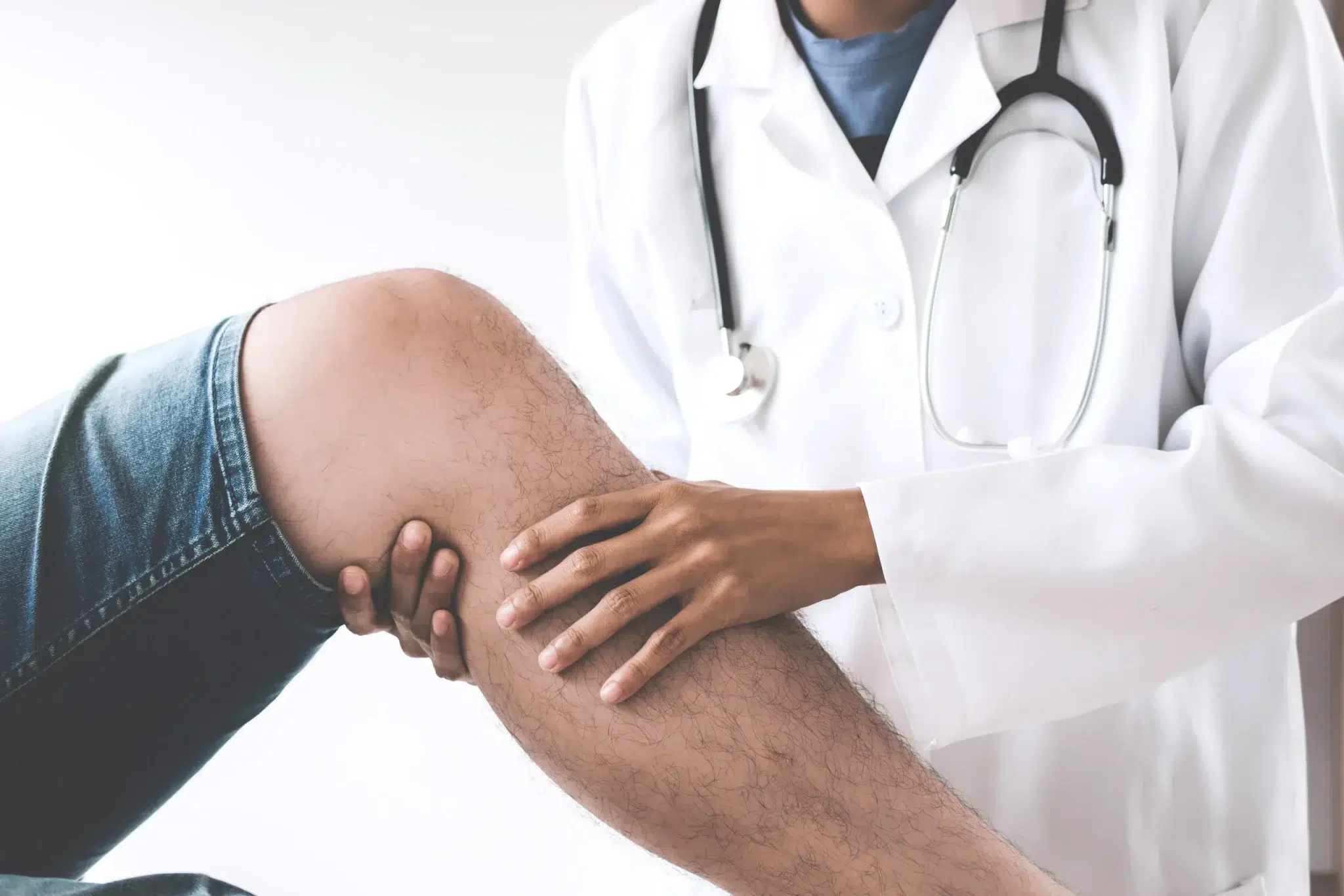
Accurate diagnosis of Medial Collateral Ligament injuries begins with a thorough clinical examination by an orthopedic specialist. The doctor evaluates knee stability, pain points, and range of motion.
Stress tests may be performed to assess how the Medial Collateral Ligament responds under controlled pressure. These tests help determine the severity of the injury.
Imaging studies such as MRI scans provide detailed views of the Medial Collateral Ligament and surrounding structures. X-rays may also be used to rule out bone injuries.
Early diagnosis helps guide proper treatment and prevents long-term complications.
Treatment Options for Medial Collateral Ligament Injury
Treatment for Medial Collateral Ligament injuries depends on severity and patient activity level.
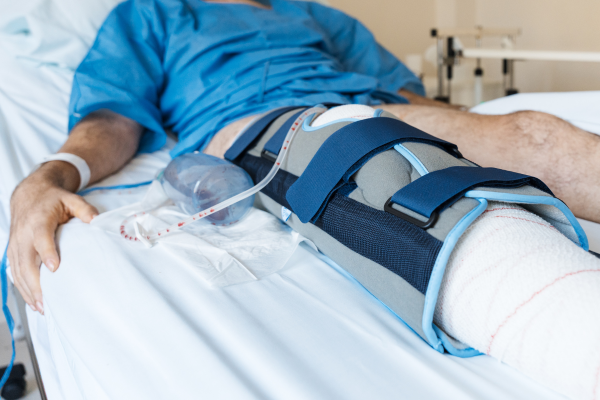
Non-surgical treatment is often effective for mild to moderate injuries. Rest allows the Medial Collateral Ligament to heal naturally. Knee braces provide support and limit movement during recovery. Pain control methods and guided physical therapy help restore strength and flexibility.
For severe injuries or cases involving multiple ligament damage, surgical treatment may be recommended. Surgery aims to restore stability and function when the Medial Collateral Ligament cannot heal properly on its own.
Medial Collateral Ligament Reconstruction Surgery Explained
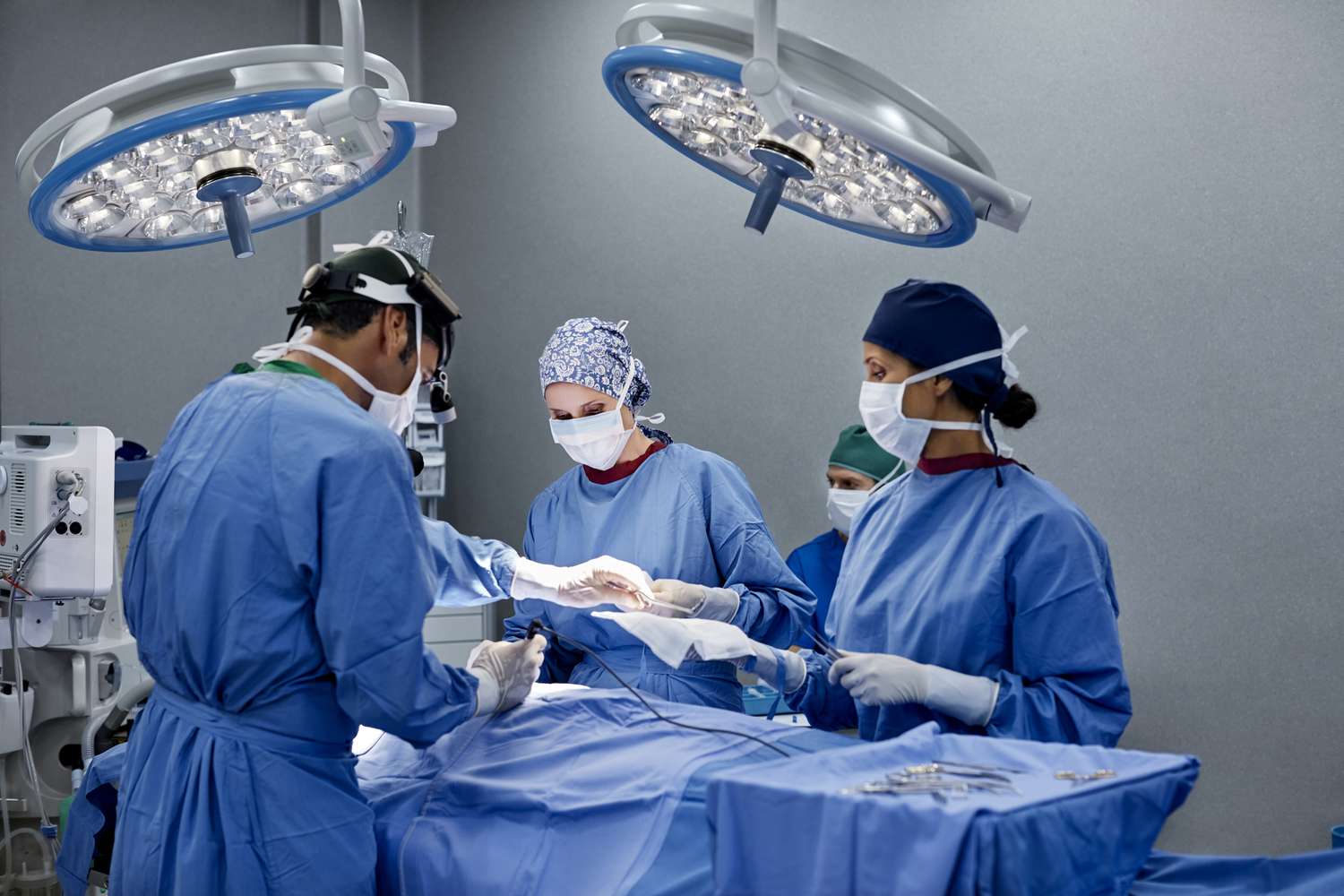
Medial Collateral Ligament reconstruction is a surgical procedure designed to restore knee stability when the ligament is severely damaged. The procedure may involve repairing the existing Medial Collateral Ligament or replacing it with a graft.
The main goal of Medial Collateral Ligament reconstruction is to restore proper alignment and stability of the knee joint. This helps reduce pain and allows the patient to return to normal movement patterns.
After surgery, rehabilitation plays a key role in recovery. A structured program helps strengthen surrounding muscles and supports healing of the Medial Collateral Ligament.
Recovery time varies depending on injury severity, surgical technique, and patient compliance with rehabilitation.
Recovery and Rehabilitation After Medial Collateral Ligament Injury
Recovery after a Medial Collateral Ligament injury focuses on restoring strength, flexibility, and stability.
Early recovery may include rest, controlled movement, and protection of the knee using braces or support devices. As healing progresses, physical therapy introduces gradual exercises to improve range of motion.
Strengthening exercises target muscles around the knee to support the Medial Collateral Ligament and reduce strain during movement.
Return to sports or heavy physical activity is only advised once the Medial Collateral Ligament has regained sufficient strength and stability.
Medial Collateral Ligament vs ACL Injury
The Medial Collateral Ligament and anterior cruciate ligament both contribute to knee stability but serve different roles.
The Medial Collateral Ligament stabilizes the inner side of the knee and controls side-to-side movement. The ACL controls forward movement and rotational stability of the knee.
Medial Collateral Ligament injuries often occur due to direct impact, while ACL injuries usually result from sudden twisting or pivoting movements.
Correct diagnosis is important because treatment plans for Medial Collateral Ligament injuries differ from ACL injuries.
Orthopedic Care in Bicol
Patients in Bicol, including Naga, Legazpi, and Camarines Sur, have access to specialized care for Medial Collateral Ligament injuries. Early consultation helps prevent worsening of symptoms and supports better recovery outcomes.
Lao Orthopedic Clinic provides evaluation and treatment for Medial Collateral Ligament injuries, knee instability, and other musculoskeletal conditions. Lao Orthopedic Clinic focuses on hip, knee, and shoulder conditions, along with sports-related injuries and arthroscopic procedures.
About Dr. Lawrence Lao
Dr. Lawrence Lao is an orthopedic specialist with extensive training in musculoskeletal care and joint reconstruction.
His training includes orthopedic traumatology, hip and knee reconstruction, and sports surgery and arthroscopy from respected international institutions. With 16 years of clinical experience, his practice focuses on restoring mobility and improving quality of life for patients with joint injuries, including Medial Collateral Ligament damage.
When to Seek Medical Care for Medial Collateral Ligament Injury
Medical evaluation is recommended when Medial Collateral Ligament pain does not improve after a few days of rest. Persistent swelling, difficulty walking, or a feeling of knee instability are strong signs that professional assessment is needed.
Early treatment helps reduce the risk of long-term knee problems and supports faster recovery.
Frequently Asked Questions (FAQ)
What causes Medial Collateral Ligament injury?
Medial Collateral Ligament injuries often result from sports impacts, sudden twisting movements, road accidents, or direct force applied to the outer knee.
How long does a Medial Collateral Ligament injury take to heal?
Mild Medial Collateral Ligament injuries may heal within a few weeks, while severe tears may take several months and sometimes require surgery.
Can a Medial Collateral Ligament heal without surgery?
Yes, many Medial Collateral Ligament injuries heal without surgery through rest, bracing, and physical therapy, especially for mild to moderate cases.
What are signs of a serious Medial Collateral Ligament injury?
Severe pain, significant swelling, and knee instability often indicate a major Medial Collateral Ligament tear.
Is Medial Collateral Ligament reconstruction always needed?
Medial Collateral Ligament reconstruction is usually reserved for severe cases or injuries that do not respond to non-surgical treatment.
Where can I get treatment for Medial Collateral Ligament injury in Bicol?
Patients in Bicol can seek orthopedic consultation and treatment at Lao Orthopedic Clinic for evaluation and management of Medial Collateral Ligament injuries.