Living with pain or limited mobility can have a major impact on daily life. An orthopedic physician specializes in diagnosing, treating, and preventing injuries and disorders of the bones, joints, muscles, ligaments, and tendons. Consulting an orthopedic physician can help individuals recover from injuries, manage chronic conditions, and regain independence and mobility. For those seeking specialized care, Quezon City offers access to expert orthopedic physicians like Dr. Tec, who combine advanced training, modern treatment approaches, and patient-centered care to deliver exceptional outcomes.
Understanding the role of an orthopedic physician is the first step toward making informed decisions about musculoskeletal health. Whether you are experiencing chronic joint pain, recovering from a sports injury, or seeking guidance on preventive measures, consulting a skilled orthopedic physician ensures that treatment is accurate, effective, and tailored to your lifestyle and goals. Expert orthopedic care not only addresses immediate discomfort but also prevents long-term complications that can affect mobility and overall well-being.
What is an Orthopedic Physician?
An orthopedic physician is a medical professional specializing in conditions affecting the musculoskeletal system, which includes bones, joints, muscles, ligaments, tendons, and nerves. These specialists evaluate, diagnose, and manage a wide range of conditions, from sports injuries and fractures to chronic joint diseases and congenital disorders. While general practitioners can provide basic guidance for musculoskeletal issues, an orthopedic physician offers specialized knowledge and advanced treatment options designed to restore function and mobility.
Orthopedic physicians handle a variety of cases, including acute injuries such as fractures, sprains, or dislocations, and chronic conditions like arthritis, tendonitis, or degenerative joint diseases. They may recommend non-surgical treatment options such as physical therapy, medications, and lifestyle adjustments, or surgical interventions such as joint replacement, minimally invasive procedures, or hand and microsurgery. By combining clinical expertise, advanced diagnostics, and individualized care, orthopedic physicians play a crucial role in improving patients’ quality of life.
Patients often consult orthopedic physicians for preventive care as well. This includes guidance on proper exercise techniques, ergonomic adjustments, and injury prevention strategies. Early intervention and consistent follow-up with an orthopedic physician can significantly reduce the risk of worsening injuries or chronic musculoskeletal problems.
Why Seeing an Orthopedic Physician Matters
Seeking care from an orthopedic physician is essential for diagnosing issues accurately and developing a treatment plan that addresses the root cause of discomfort. Chronic pain, joint stiffness, or untreated injuries can lead to reduced mobility, decreased independence, and long-term complications. An orthopedic physician evaluates your condition comprehensively, identifying both visible and underlying problems to create a targeted and effective treatment plan.
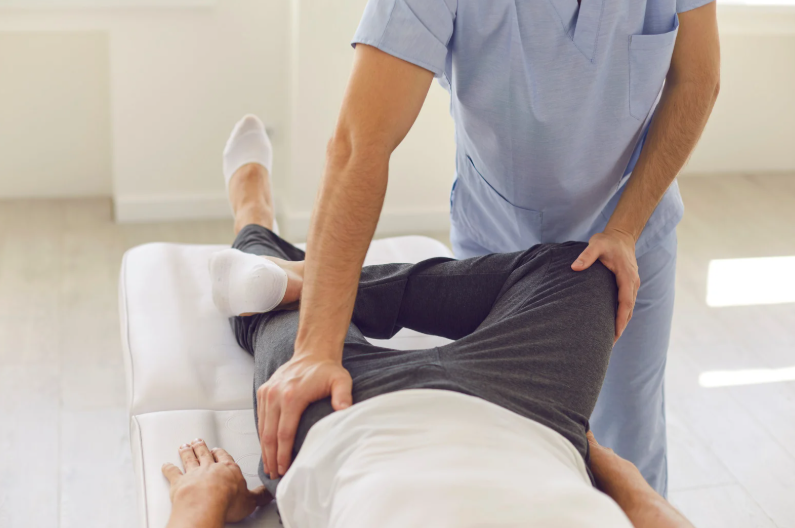
Patients who consult an orthopedic physician benefit from expert recommendations for both surgical and non-surgical interventions. Non-surgical options may include physical therapy, pain management strategies, orthotic devices, and rehabilitation exercises. Surgical interventions performed by an orthopedic physician are carefully planned to minimize risk, reduce recovery time, and restore function. The expertise of an orthopedic physician ensures that every treatment choice prioritizes safety, effectiveness, and long-term health.
Orthopedic physicians also guide patients through recovery and rehabilitation, ensuring that progress is monitored, adjustments are made when needed, and mobility is restored safely. They provide educational resources to empower patients with knowledge about their condition, treatment options, and ways to prevent future injuries. For individuals seeking to maintain an active lifestyle or recover from injuries, consulting an orthopedic physician is a vital step toward achieving these goals.
Meet Dr. Tec – Experienced Orthopedic Physician in Quezon City
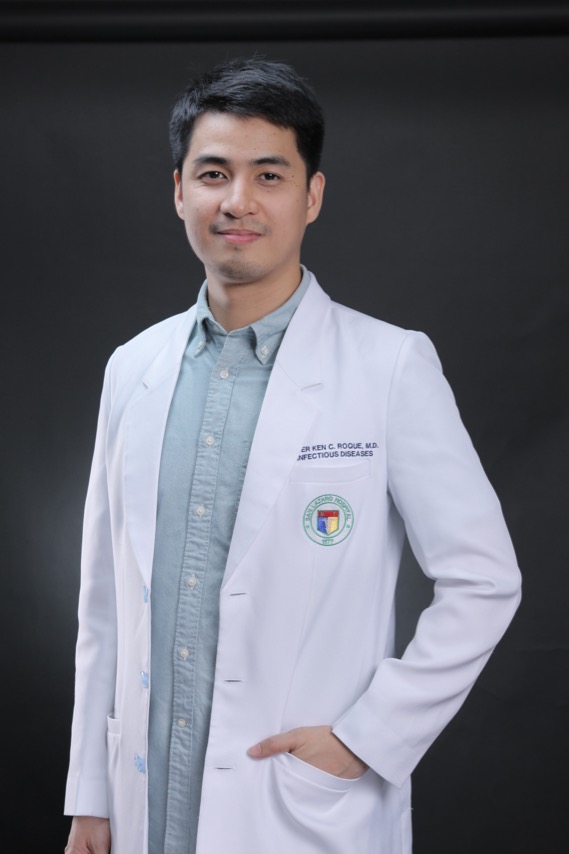
Dr. Tec is a Board-Certified Orthopedic Physician with extensive experience in both local and international training. He has completed advanced studies in Hand and Microsurgery in Nagato, Yamaguchi, Japan, under Dr. Muramatsu and focused on hip and knee preservation, replacement, and revision surgery at Queensland Hips and Knees in Brisbane, Australia, under Dr. Gamboa. This international exposure enables Dr. Tec to apply advanced techniques and modern approaches to every patient’s care.
Dr. Tec graduated Cum Laude with a Bachelor’s Degree in Biology, majoring in Cell Biology, from the University of the Philippines. He then earned his medical degree from the University of the Philippines College of Medicine, followed by residency training at the Philippine General Hospital and Ilocos Training and Regional Medical Center. During residency, he consistently achieved top scores in annual examinations, reflecting his dedication and commitment to excellence in orthopedic care.
Beyond formal training, Dr. Tec has worked as an orthopedic consultant in remote areas of Marinduque and Romblon, delivering essential orthopedic services to patients with limited access to specialized care. His practice in Quezon City combines technical expertise with compassion, ensuring patients feel supported, informed, and confident throughout their treatment journey. Those seeking a trusted orthopedic physician in Quezon City can rely on Dr. Tec’s comprehensive approach to care.
Conditions Treated by an Orthopedic Physician
Orthopedic physicians manage a broad spectrum of musculoskeletal conditions. Common issues include sports injuries such as ligament tears, fractures, and joint sprains, which require timely assessment and treatment to prevent long-term complications. Chronic joint conditions like arthritis, tendonitis, or bursitis also benefit from the expertise of an orthopedic physician, who can recommend both medical and therapeutic interventions to manage pain and improve mobility.
Hand and wrist conditions, including carpal tunnel syndrome, fractures, and nerve injuries, require precise treatment that an orthopedic physician with microsurgery training can provide. Hip and knee disorders, ranging from degeneration to complex joint replacement, are managed with personalized care plans designed to restore mobility and function. Orthopedic physicians also handle fractures, occupational deformities, and congenital musculoskeletal disorders, ensuring patients receive targeted treatment that addresses their unique needs.
By consulting an orthopedic physician, patients can receive a comprehensive evaluation that not only treats the immediate problem but also prevents future complications. Personalized care plans allow patients to regain mobility, reduce discomfort, and return to daily activities with confidence.
Treatments and Approaches
Orthopedic physicians offer a variety of treatment options, customized for each patient’s condition and goals. Non-surgical interventions often include medications, physical therapy, lifestyle guidance, and rehabilitation exercises. These approaches aim to relieve pain, restore function, and prevent further injury. An orthopedic physician carefully evaluates each patient to determine whether non-surgical treatment is sufficient or if surgical intervention is required.
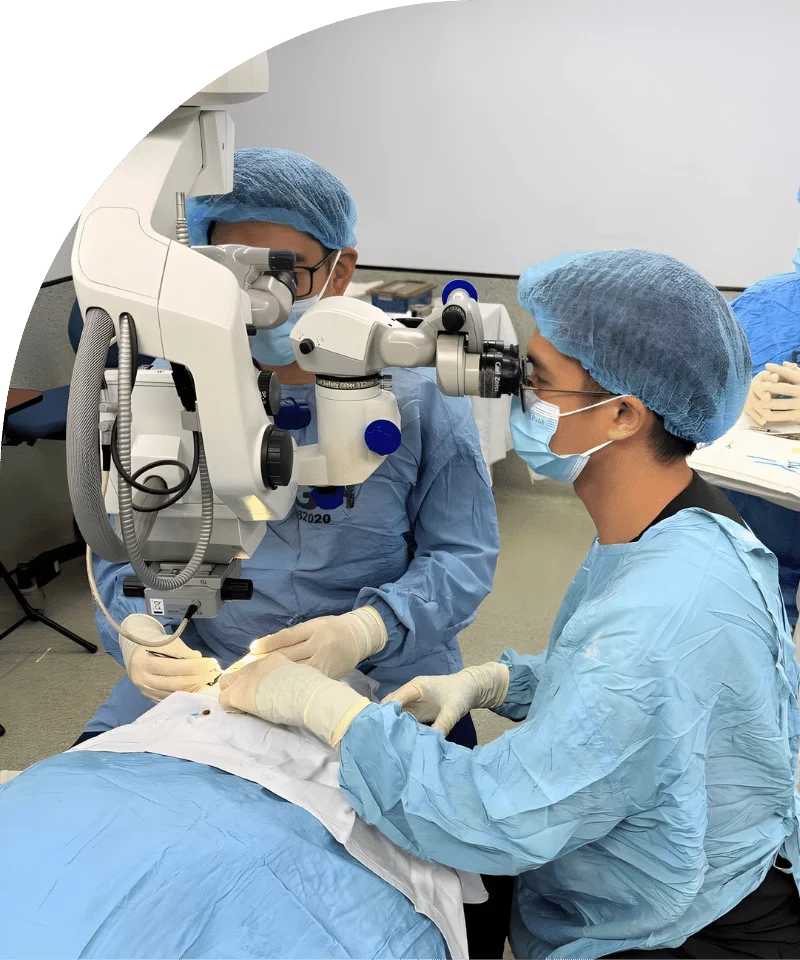
Surgical treatments provided by orthopedic physicians include minimally invasive procedures, joint replacement, microsurgery, and reconstruction surgeries. Each procedure is planned to maximize outcomes, minimize recovery time, and restore function as efficiently as possible. Orthopedic physicians work closely with physical therapists to design rehabilitation programs that ensure safe, effective recovery following surgery.
Modern orthopedic care emphasizes evidence-based techniques and continuous monitoring. Patients benefit from advanced diagnostics such as X-rays, MRI, and CT scans to guide precise treatment decisions. The combination of surgical skill, rehabilitation support, and patient education ensures that care from an orthopedic physician addresses both immediate needs and long-term wellness.
What to Expect During Your Orthopedic Visit
When visiting an orthopedic physician, patients can expect a thorough evaluation and personalized care. The initial consultation typically includes a detailed medical history, physical examination, and diagnostic testing if required. The orthopedic physician listens carefully to symptoms, identifies potential causes of pain or dysfunction, and explains the available treatment options.
Patients receive a treatment plan that aligns with their goals, whether they seek to relieve pain, recover from injury, or improve mobility. An orthopedic physician provides guidance on recovery timelines, rehabilitation strategies, and preventive measures to avoid future injuries. Open communication ensures that patients feel informed and confident about their treatment choices, promoting active participation in their recovery.
Tec Orthopedics Approach and Values
Tec Orthopedics prioritizes patient-centered care, combining technical expertise with compassion. Each patient receives attention tailored to their unique needs, with a focus on restoring mobility, reducing pain, and improving overall well-being. Innovation plays a key role in the clinic’s approach, with modern techniques and evidence-based therapies applied to achieve the best outcomes.
Quality and integrity are central to the care provided by Tec Orthopedics. The clinic adheres to the highest clinical standards and ethical practices, ensuring patients receive reliable and transparent care. Collaboration with specialists, therapists, and other healthcare professionals allows an orthopedic physician to provide comprehensive treatment plans that address every aspect of musculoskeletal health.
Patients at Tec Orthopedics benefit from education and guidance throughout the treatment process. An orthopedic physician explains conditions, treatment options, and rehabilitation steps clearly, empowering patients to make informed decisions about their care.
Take the First Step Toward Better Mobility
Consulting an orthopedic physician is an investment in long-term health and independence. Whether managing chronic joint pain, recovering from injury, or exploring preventive measures, a skilled orthopedic physician provides accurate diagnosis, tailored treatment plans, and ongoing support. Patients seeking a trusted orthopedic physician in Quezon City can rely on Dr. Tec and Tec Orthopedics for expert care, advanced treatments, and compassionate guidance. Schedule a consultation today to begin the journey toward improved mobility, reduced pain, and a higher quality of life.
Frequently Asked Questions
When should I see an orthopedic physician?
Consult an orthopedic physician if you experience persistent joint or bone pain, swelling, stiffness, limited mobility, or after sustaining a sports injury or fracture. Early consultation improves recovery outcomes.
What conditions does an orthopedic physician treat?
Orthopedic physicians treat sports injuries, fractures, arthritis, tendonitis, hand and wrist issues, hip and knee problems, occupational deformities, and other musculoskeletal disorders.
What is the difference between an orthopedic physician and a surgeon?
All orthopedic surgeons are orthopedic physicians, but not all orthopedic physicians perform surgery. Orthopedic physicians provide both surgical and non-surgical treatment depending on the patient’s needs.
How long does recovery take after orthopedic surgery?
Recovery time depends on the procedure and individual patient factors. An orthopedic physician will provide a customized rehabilitation plan and timeline for safe and effective recovery.
Can an orthopedic physician help with chronic joint pain?
Yes. Orthopedic physicians diagnose the underlying cause of chronic joint pain and provide treatments such as therapy, medication, minimally invasive procedures, or surgery if necessary.