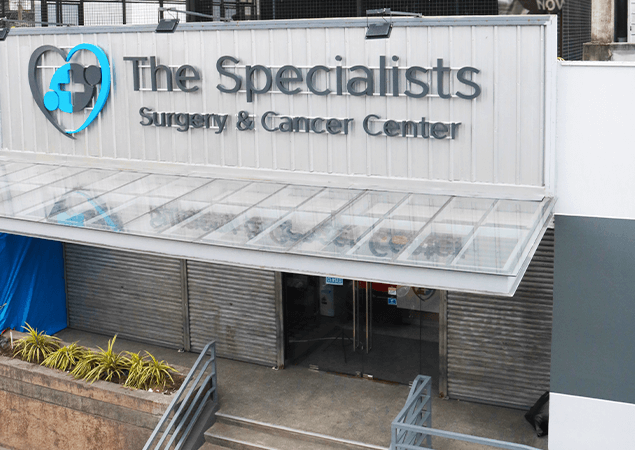
Debridement is a crucial procedure for proper wound healing and infection prevention. At The Specialist Surgery and Cancer Center (TSSCC) in Quezon City, patients receive expert Debridement performed by experienced doctors who prioritize safety, precision, and comfort. Slow-healing wounds, chronic ulcers, or post-surgical complications can become serious if left untreated. Debridement provides an effective solution, removing dead, infected, or damaged tissue and creating the right conditions for recovery. TSSCC specializes in outpatient wound care, allowing patients to heal safely at home while reducing the risk of hospital-acquired infections.
What is Debridement?
Debridement is a medical procedure designed to remove tissue that is dead, infected, or damaged so wounds can heal more effectively. This procedure plays a key role in preventing infection, promoting healthy tissue regrowth, and preparing wounds for closure or additional treatment. Without Debridement, damaged tissue can slow recovery and increase the risk of complications.
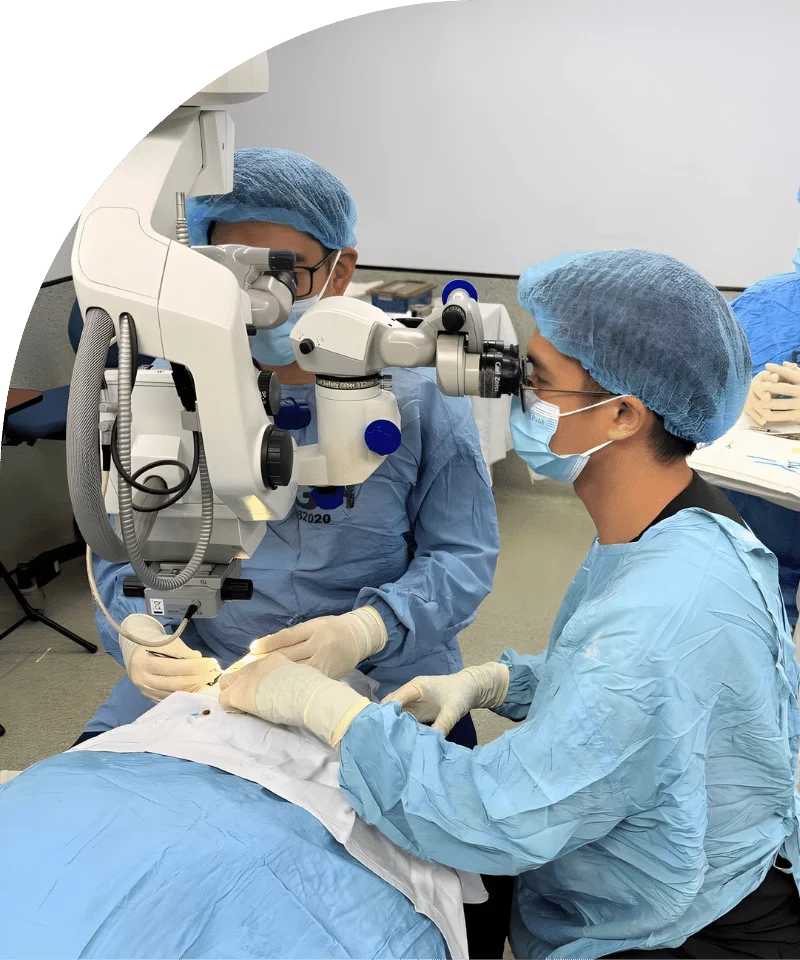
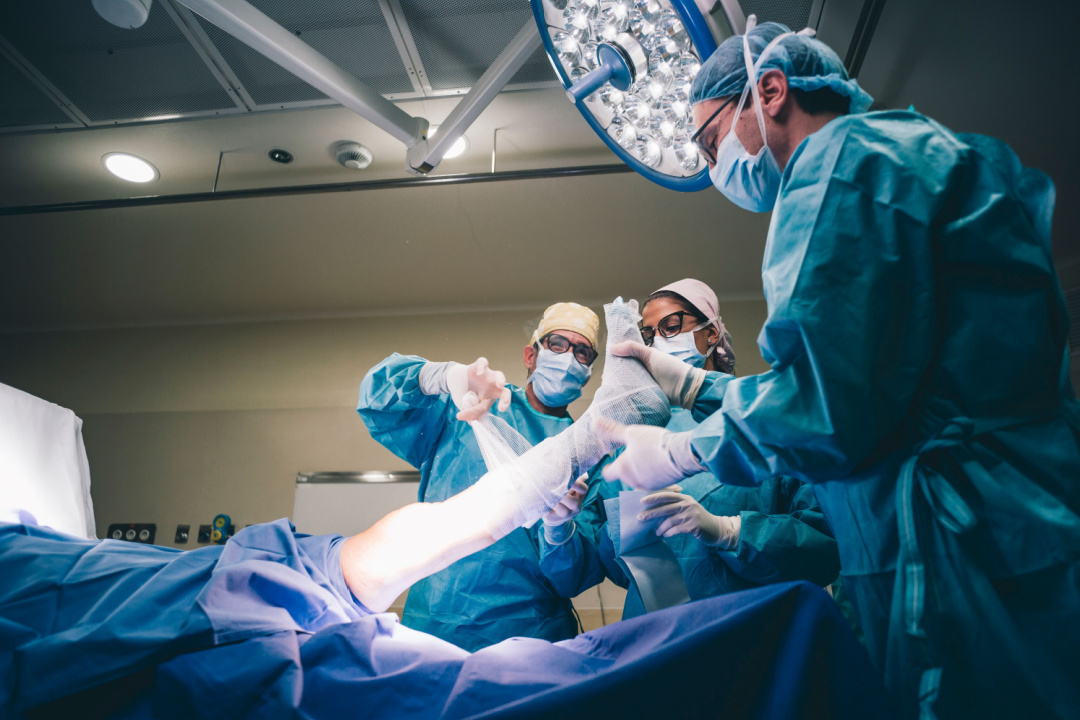
At TSSCC, Debridement is carried out using advanced wound-care techniques in a clean, controlled environment. Doctors assess the wound carefully and select the most appropriate method of Debridement, whether surgical, mechanical, enzymatic, or autolytic. Each approach is tailored to the patient’s condition, ensuring optimal healing while minimizing pain and discomfort.
Debridement is not limited to severe injuries or chronic wounds. Minor but persistent tissue damage can also benefit from timely Debridement. By removing obstacles to healing early, patients can avoid more invasive procedures and reduce the overall time required for recovery.
Who Needs Debridement?
Patients with wounds that are slow to heal or show signs of tissue damage are prime candidates for Debridement. Chronic wounds such as diabetic ulcers and pressure sores often require this procedure to prevent infection and support tissue regeneration. Post-surgical wounds that fail to heal properly, traumatic injuries with visible tissue damage, and infected or necrotic wounds all benefit from professional Debridement. Venous ulcers and wounds with persistent inflammation are other conditions that may require treatment at TSSCC.
Filipinos with chronic health conditions, limited mobility, or injuries that put them at risk for infection find Debridement particularly valuable. Early intervention reduces the likelihood of hospitalization and lowers the chances of complications, making outpatient care an ideal choice. Patients across Metro Manila and other regions of the Philippines trust TSSCC for timely and safe Debridement procedures.
Benefits of Getting Debridement at TSSCC
Debridement performed at TSSCC offers numerous advantages. First, expert doctors carry out the procedure with precision and care, ensuring the best possible outcomes. Outpatient Debridement allows patients to recover in the comfort of their own homes, which reduces exposure to hospital-acquired infections and promotes faster healing.
Another major benefit is cost efficiency. TSSCC focuses on value-for-money pricing to encourage early treatment. Patients are less likely to delay care for minor symptoms when affordable options are available. Proper Debridement not only treats the current wound but also prevents future complications that could result in more expensive procedures.
The patient-focused environment at TSSCC is another distinguishing factor. Wound care is performed in clean, safe, and controlled settings. Doctors monitor recovery carefully, providing guidance for at-home care, wound management, and lifestyle adjustments that support healing.
Challenges in Wound Healing Without Proper Care
Wounds that do not receive timely attention can become serious. Without Debridement, dead or damaged tissue can accumulate, slowing healing and increasing the risk of infection. Chronic wounds left untreated may worsen over time, potentially leading to complications that require surgery or hospitalization.
Many patients hesitate to seek care due to cost or inconvenience, believing minor wounds will heal on their own. Delaying treatment can turn a small problem into a more severe condition. Post-surgical wounds and diabetic ulcers, in particular, can deteriorate quickly without professional Debridement, leading to pain, longer recovery, and higher medical costs.
Debridement addresses these challenges by removing tissue that hinders healing and creating conditions for faster recovery. Early intervention reduces the likelihood of serious complications and supports better overall outcomes.
How TSSCC Supports Patients Beyond Debridement
Debridement is just one component of TSSCC’s holistic wound care approach. Doctors provide a thorough assessment, create personalized care plans, and guide patients through the recovery process. Outpatient care allows patients to maintain daily routines while receiving professional supervision.
Education is a key part of the TSSCC approach. Patients learn how to care for their wounds at home, recognize signs of infection, and prevent complications. Guidance includes dressing changes, hygiene practices, and strategies to support tissue regeneration.
TSSCC also prioritizes accessibility and affordability. By offering fair pricing and reducing unnecessary hospital visits, the clinic helps patients seek care promptly without financial hesitation. This approach supports early diagnosis and treatment, which is critical for conditions that could worsen without professional attention.
Patient Journey: What to Expect
When patients visit TSSCC for Debridement, the journey begins with a consultation where doctors evaluate the wound, discuss medical history, and determine the appropriate Debridement method. During the procedure, damaged tissue is removed carefully to prevent infection and promote healing. Post-procedure care includes guidance on at-home recovery, follow-up appointments, and monitoring to ensure the wound heals properly.
Outpatient Debridement allows patients to return home on the same day, minimizing discomfort and exposure to hospital environments. Doctors provide detailed instructions on wound care, signs of infection to watch for, and tips to encourage tissue regeneration. This structured recovery plan helps patients regain health efficiently and safely.
Why Early Debridement Matters
Timely Debridement is crucial for preventing complications. Wounds left untreated can develop infections, necrosis, and chronic inflammation, increasing recovery time and medical costs. Early intervention supports faster healing, reduces pain, and prevents the need for more invasive treatments.
Debridement also improves overall health outcomes by controlling infection and maintaining tissue health. For patients with diabetes, mobility issues, or chronic conditions, early Debridement is often the difference between manageable wound care and prolonged hospitalization.
Takeaway
Debridement is a critical procedure for effective wound management, infection prevention, and faster recovery. The Specialist Surgery and Cancer Center in Quezon City provides safe, affordable, and patient-centered Debridement for a wide range of wound types. By removing dead or damaged tissue, encouraging healthy tissue growth, and supporting outpatient recovery, TSSCC ensures patients receive expert care that reduces complications and promotes long-term wellness. Early intervention and proper care make Debridement not just a treatment, but a vital step toward better health outcomes for patients across Metro Manila and beyond.
Frequently Asked Questions About Debridement
What is Debridement?
Debridement is a medical procedure that removes dead, infected, or damaged tissue from wounds to promote healing and prevent infection.
Who can benefit from Debridement?
Patients with chronic wounds, post-surgical complications, traumatic injuries, diabetic ulcers, pressure sores, venous ulcers, or persistent inflammation can benefit from Debridement.
Is Debridement painful?
Doctors use anesthesia or local numbing methods to minimize discomfort during Debridement. Post-procedure pain is typically manageable and temporary.
How long does recovery take after Debridement?
Recovery time depends on wound type and size, overall health, and adherence to post-care instructions. Many patients heal faster with proper outpatient care.
Can Debridement be done at home?
While Debridement itself is performed at a clinic like TSSCC, patients can recover at home under professional guidance to minimize infection risk and maintain comfort.
Why choose TSSCC for Debridement?
TSSCC offers experienced doctors, outpatient care, affordable pricing, a clean patient-focused environment, and personalized recovery plans to ensure safe and effective wound healing.