Platelet-rich plasma (PRP) injection has become a popular treatment option for individuals seeking a non-surgical approach to healing injuries, reducing pain, and improving mobility. By utilizing the body’s own healing components, Platelet-rich plasma (PRP) injection supports tissue repair and regeneration in various musculoskeletal conditions. Whether you are receiving treatment for joint pain, tendon injuries, ligament damage, or sports-related conditions, understanding the recovery process can help you achieve the best possible outcome.
This guide explores the Platelet-rich plasma (PRP) injection recovery timeline and provides practical tips to help maximize results after treatment.
What Is a Platelet-Rich Plasma (PRP) Injection?
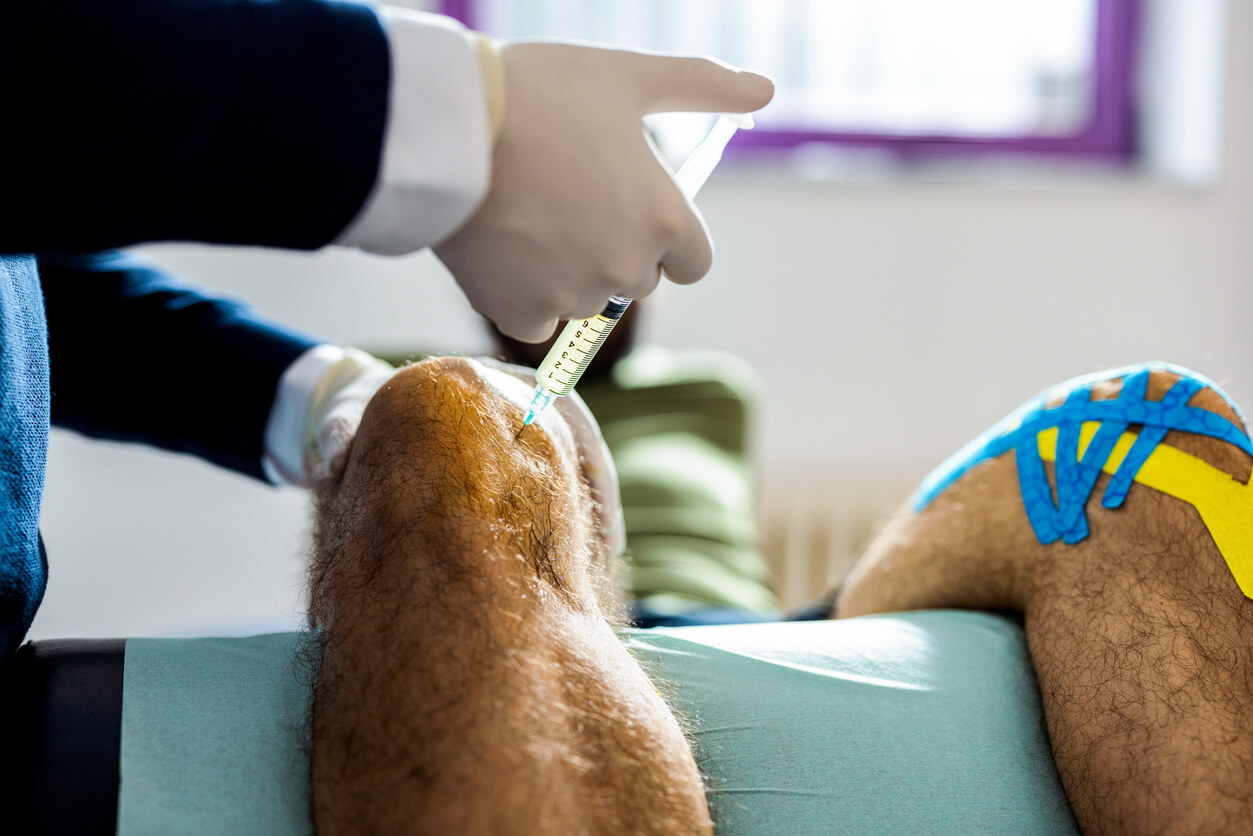
Platelet-rich plasma (PRP) injection is a regenerative medicine treatment that uses concentrated platelets obtained from a patient’s own blood. These platelets contain growth factors that play a crucial role in the body’s natural healing process.
The procedure begins with a blood draw. The blood is processed in a centrifuge to separate and concentrate the platelets before being injected into the affected area. Platelet-rich plasma (PRP) injection is commonly used to treat conditions such as:
- Osteoarthritis
- Tendon injuries
- Ligament injuries
- Sports-related injuries
- Chronic joint pain
- Muscle strains
Because Platelet-rich plasma (PRP) injection stimulates the body’s healing response, recovery timelines can vary depending on the condition being treated and the patient’s overall health.
Why Recovery Is Different for Every Patient
Several factors influence recovery following a Platelet-rich plasma (PRP) injection, including:
- Age and general health
- Severity of the injury
- Location of the treatment area
- Physical activity level
- Compliance with post-treatment instructions
Patients who closely follow their healthcare provider’s recommendations often experience better outcomes.
Platelet-Rich Plasma (PRP) Injection Recovery Timeline and Tips: Day-by-Day Expectations
First 24 to 48 Hours After Treatment
During the first two days following a Platelet-rich plasma (PRP) injection, it is normal to experience mild discomfort, swelling, tenderness, or stiffness at the injection site. These symptoms are often signs that the body’s healing response has been activated.
Patients are generally advised to:
- Rest the treated area
- Avoid strenuous activities
- Apply ice only if instructed by the physician
- Stay hydrated
Although discomfort can occur, it is usually temporary and manageable.
Days 3 to 7: Early Healing Phase
During the first week, inflammation gradually begins to settle. Some patients notice slight improvements, while others may still experience mild soreness.
At this stage, it is important to:
- Continue following activity restrictions
- Avoid high-impact exercises
- Monitor symptoms carefully
- Attend scheduled follow-up appointments
Patience is essential because the healing process triggered by Platelet-rich plasma (PRP) injection continues beneath the surface.
Weeks 2 to 6: Tissue Regeneration Phase
This period is when Platelet-rich plasma (PRP) injection begins promoting tissue repair and regeneration more actively. Many patients notice improvements in pain levels and joint function.
During this phase:
- Mobility may gradually improve
- Pain may decrease
- Physical therapy may be introduced
- Light exercises may be recommended
Following a structured rehabilitation program can significantly enhance treatment outcomes.
Months 2 to 6: Continued Recovery and Improvement
The benefits of Platelet-rich plasma (PRP) injection often continue developing over several months. Since tissue regeneration takes time, many patients experience progressive improvements throughout this period.
Patients may notice:
- Improved joint function
- Greater flexibility
- Reduced pain
- Enhanced mobility
- Better participation in daily activities
Long-term healing is one of the primary advantages of Platelet-rich plasma (PRP) injection treatment.
Essential Platelet-Rich Plasma (PRP) Injection Recovery Tips
Follow Your Doctor’s Aftercare Instructions
Every patient’s condition is unique. Following personalized instructions provided by your healthcare provider is one of the most important steps toward successful recovery.
Consistent follow-up appointments allow healthcare professionals to monitor healing progress and make adjustments when necessary.
Give Your Body Time to Heal
One common mistake is returning to strenuous activities too soon. Although some patients may feel better quickly, internal healing continues long after symptoms improve.
Allowing adequate recovery time helps maximize the effectiveness of Platelet-rich plasma (PRP) injection treatment.
Stay Hydrated and Eat Nutritious Foods
Nutrition plays a significant role in recovery. A balanced diet rich in protein, vitamins, and minerals can support tissue repair.
Helpful foods include:
- Lean proteins
- Fruits and vegetables
- Whole grains
- Healthy fats
Proper hydration also supports circulation and overall healing.
Participate in Physical Therapy if Recommended
Physical therapy can complement Platelet-rich plasma (PRP) injection treatment by improving strength, flexibility, and function.
A customized rehabilitation program can help restore mobility while protecting the treated area during recovery.
Avoid Certain Medications Unless Approved
Some healthcare providers recommend avoiding certain anti-inflammatory medications after a Platelet-rich plasma (PRP) injection because they may interfere with the body’s natural healing response.
Always consult your physician before taking any medication during recovery.
Factors That Can Affect PRP Injection Recovery Time
Type of Condition Being Treated
Recovery may differ based on the condition receiving treatment.
Examples include:
- Tendon injuries often require several weeks of healing.
- Joint conditions may improve gradually over months.
- Muscle injuries can recover at varying rates depending on severity.
Patient Lifestyle Habits
Healthy habits can positively influence recovery outcomes.
Important factors include:
- Adequate sleep
- Proper nutrition
- Regular hydration
- Avoidance of smoking
- Limiting alcohol consumption
Compliance With Recovery Guidelines
Patients who follow activity restrictions and rehabilitation recommendations are often more likely to achieve favorable results from Platelet-rich plasma (PRP) injection therapy.
Common Side Effects During the PRP Recovery Process
Mild and Temporary Reactions
Most side effects associated with Platelet-rich plasma (PRP) injection are mild and temporary.
Common reactions include:
- Swelling
- Tenderness
- Bruising
- Temporary stiffness
- Mild discomfort
These symptoms typically resolve within days.
When to Contact a Healthcare Provider
Although complications are uncommon, patients should seek medical attention if they experience:
- Severe or worsening pain
- Fever
- Significant redness
- Drainage from the injection site
- Signs of infection
Prompt evaluation helps ensure appropriate care if concerns arise.
How to Maximize the Benefits of Platelet-Rich Plasma (PRP) Injection Treatment
Maintain a Healthy Lifestyle
Healthy lifestyle choices can support the regenerative effects of Platelet-rich plasma (PRP) injection.
Focus on:
- Balanced nutrition
- Quality sleep
- Stress management
- Appropriate exercise
Follow a Structured Recovery Plan
Recovery should be gradual and guided by healthcare professionals. Progressing too quickly can increase the risk of setbacks.
A well-planned recovery strategy helps patients safely return to their normal activities.
Stay Consistent With Follow-Up Appointments
Regular follow-up visits allow physicians to evaluate healing progress and determine whether additional treatments or therapy may be beneficial.
Why Choosing an Experienced Orthopedic Specialist Matters
The success of Platelet-rich plasma (PRP) injection treatment depends not only on the procedure itself but also on proper diagnosis, patient selection, and post-treatment care.
Tec Orthopedics is widely recognized for its expertise in orthopedic care and regenerative medicine treatments. Patients seeking Platelet-rich plasma (PRP) injection services can benefit from the clinic’s comprehensive approach to diagnosis, treatment planning, and recovery management.
With a commitment to helping patients regain mobility and improve quality of life, Tec Orthopedics provides personalized care designed to support optimal healing outcomes.
Takeaway
Understanding the Platelet-rich plasma (PRP) injection recovery timeline and following recommended aftercare guidelines can play a significant role in treatment success. While recovery experiences vary, most patients can expect gradual improvements as the body’s natural healing mechanisms continue to work over time.
Frequently Asked Questions (FAQs)
How long does it take to recover from a Platelet-rich plasma (PRP) injection?
Most patients experience initial recovery within a few days to a few weeks, while full benefits may continue developing over several months.
Is swelling normal after a Platelet-rich plasma (PRP) injection?
Yes. Mild swelling and tenderness are common and often indicate that the healing process has begun.
When can I return to exercise after PRP treatment?
The timeline varies depending on the treatment area and condition. Your physician will provide personalized recommendations regarding activity levels.
Can I drive after receiving a Platelet-rich plasma (PRP) injection?
Many patients can drive after treatment, although this depends on the treatment location and individual circumstances. Consult your healthcare provider for guidance.
What activities should I avoid during recovery?
Patients are generally advised to avoid strenuous exercise, heavy lifting, and high-impact activities during the early stages of recovery.
How soon will I notice results from PRP treatment?
Some patients notice improvement within a few weeks, while others may require several months to experience the full benefits of Platelet-rich plasma (PRP) injection.
Does PRP recovery differ depending on the treatment area?
Yes. Recovery timelines can vary depending on whether the treatment is performed on a joint, tendon, ligament, or muscle.
Are multiple PRP injections sometimes necessary?
Depending on the condition being treated and the patient’s response, some individuals may benefit from additional Platelet-rich plasma (PRP) injection sessions.