The Importance of Vitreo Retina Management in Everyday Life
Vitreo Retina Management is a vital aspect of eye care that focuses on preserving the health of the retina and vitreous, both of which are essential for clear and accurate vision. These structures allow light to enter the eye, be processed, and then interpreted by the brain as images. When problems occur in these areas, even simple daily tasks like reading, driving, or recognizing faces can become difficult. Many retinal conditions develop gradually, often without early symptoms, making routine eye evaluations critical. Through proper Vitreo Retina Management, individuals can detect potential issues before they become severe. Advances in medical science have made it possible to treat many retinal conditions effectively, reducing the risk of permanent vision loss. As awareness grows, more people are seeking specialized care to maintain their eyesight. This highlights how important it is to understand and prioritize retinal health.
A Closer Look at the Vitreous and Retina
The vitreous and retina work together in a complex yet highly efficient system that supports vision. The vitreous is a clear gel that fills the eye and helps maintain its structure while allowing light to pass through. Over time, it may shrink or change consistency, sometimes pulling away from the retina and causing visual disturbances. The retina is a thin layer of tissue located at the back of the eye, responsible for detecting light and converting it into signals for the brain. It contains specialized cells that respond to light and color, enabling detailed and vibrant vision. The macula, a small but crucial area within the retina, is responsible for central vision and fine detail. When the relationship between the vitreous and retina is disrupted, it can lead to a variety of vision problems. Understanding this interaction emphasizes the importance of effective Vitreo Retina Management.
Conditions Addressed Through Vitreo Retina Management
Vitreo Retina Management covers a wide range of eye conditions that can affect vision in different ways. Retinal detachment is one of the most serious conditions, requiring immediate attention to prevent permanent vision loss. Diabetic retinopathy is another common issue, especially among individuals with uncontrolled diabetes, as it damages the blood vessels in the retina. Macular degeneration affects central vision and is often associated with aging, making everyday activities more challenging. Vitreous hemorrhage involves bleeding inside the eye, leading to blurred or obstructed vision. Other conditions such as macular holes and epiretinal membranes can distort vision and reduce clarity. These conditions often develop without noticeable symptoms, making regular eye exams essential. Early diagnosis and proper Vitreo Retina Management can significantly improve treatment outcomes and preserve vision.
Diagnostic Approaches in Vitreo Retina Management
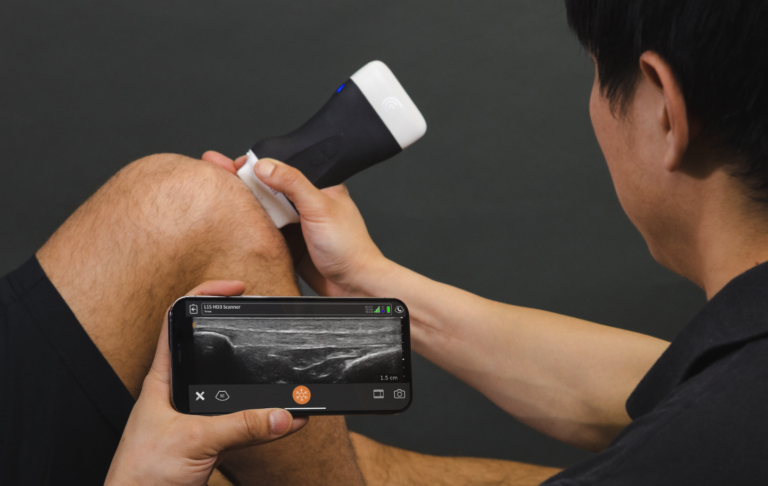
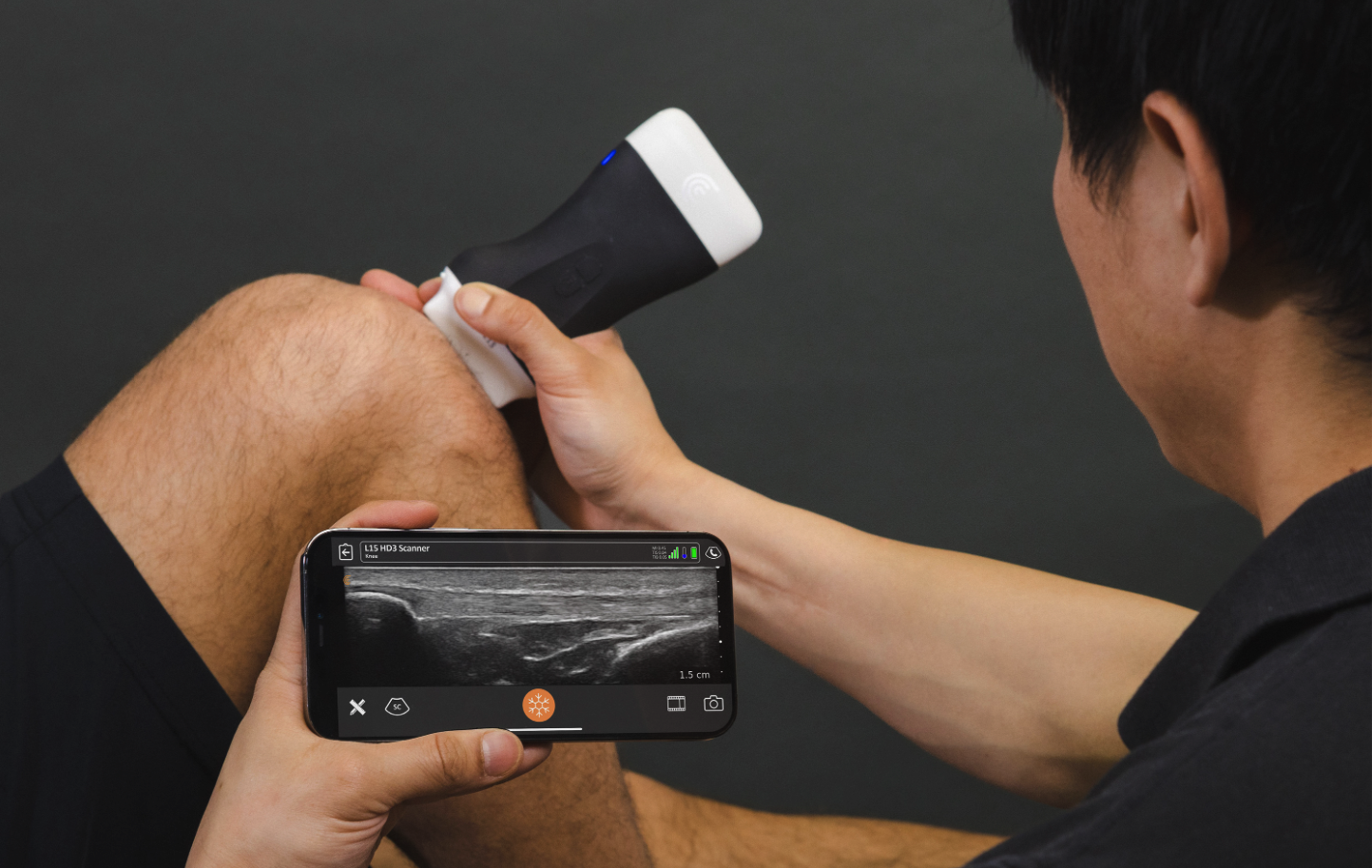
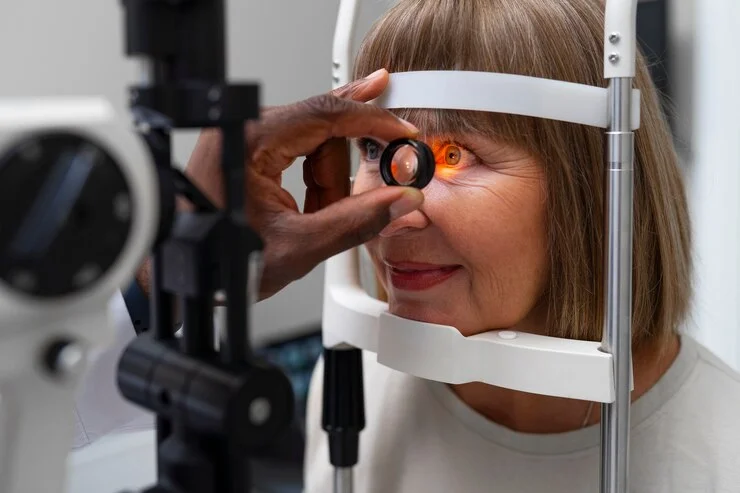
Effective Vitreo Retina Management begins with accurate diagnosis using advanced medical technology. Eye specialists perform comprehensive examinations that include visual acuity tests and dilation of the pupils to examine the retina closely. Optical Coherence Tomography is widely used to produce detailed images of the retina, allowing doctors to detect even subtle abnormalities. Fundus photography captures images of the retina, helping track changes over time. Fluorescein angiography is another diagnostic tool that highlights blood flow in the retina, revealing leaks or blockages. Ultrasound imaging may be used when the retina cannot be clearly seen due to bleeding or other obstructions. These diagnostic methods provide valuable insights into the condition of the eye. With precise evaluation, specialists can develop targeted treatment plans that address each patient’s specific needs.
Treatment Strategies in Vitreo Retina Management
Vitreo Retina Management offers a variety of treatment options tailored to different retinal conditions. Medications, including injections, are commonly used to reduce swelling and control abnormal blood vessel growth in the retina. Steroids may also be prescribed to manage inflammation and improve visual outcomes. Laser therapy is often used to repair retinal tears or treat diabetic retinopathy by sealing damaged blood vessels. Vitrectomy surgery is a more advanced procedure that involves removing the vitreous gel and replacing it with a clear solution to restore vision. Cryotherapy, which uses freezing techniques, is another treatment option for certain conditions. In many cases, a combination of therapies is required to achieve the best results. These treatment strategies aim to stabilize vision, prevent further damage, and improve overall eye health.
Healthy Lifestyle Habits for Better Vitreo Retina Management
Maintaining good eye health goes beyond medical treatment and involves adopting daily habits that support the effectiveness of Vitreo Retina Management. Individuals who take a proactive approach to their health are more likely to detect issues early and manage them effectively. Lifestyle choices play a significant role in reducing the risk of retinal diseases. By making simple changes, individuals can protect their vision and improve overall well-being. Below are some key habits that can support long-term retinal health:
- Schedule routine eye examinations to monitor vision changes
- Manage blood sugar levels to reduce the risk of diabetic eye conditions
- Maintain a balanced diet rich in antioxidants and essential nutrients
- Stay physically active to promote healthy blood circulation
- Avoid smoking, which can increase the risk of retinal damage
- Wear protective eyewear in hazardous environments
- Practice good screen habits to minimize eye strain
Incorporating these habits into daily life can help individuals maintain healthy vision and support the success of ongoing treatments.
Technological Advances in Vitreo Retina Management
The field of Vitreo Retina Management has seen significant progress due to technological advancements. Modern imaging systems provide highly detailed views of the retina, enabling earlier detection of conditions. Minimally invasive surgical techniques have improved patient comfort and reduced recovery times. New medications are being developed to offer longer-lasting effects, decreasing the need for frequent treatments. Artificial intelligence is also being integrated into eye care, helping doctors analyze data and diagnose conditions more accurately. These innovations are making retinal care more efficient and accessible. Continuous research is driving further improvements in treatment options. As technology continues to evolve, patients can expect even better outcomes and enhanced quality of care.
Potential Risks in Vitreo Retina Management
While treatments in Vitreo Retina Management are generally safe, it is important to understand potential risks and complications. Surgical procedures may involve risks such as infection, bleeding, or increased eye pressure. Some patients may experience temporary discomfort or visual disturbances after treatment. Injections and laser therapies are typically well tolerated but may have minor side effects. Following medical advice and attending follow-up appointments can help minimize these risks. Choosing an experienced specialist is crucial for achieving successful outcomes. Patients should communicate openly with their healthcare provider about any concerns. Being informed about potential risks helps individuals make confident decisions about their eye care.
The Treatment and Recovery Experience
The process of undergoing Vitreo Retina Management involves several stages, from diagnosis to recovery. Patients typically begin with a detailed evaluation to determine the most appropriate treatment plan. Most procedures are performed using local anesthesia, ensuring minimal discomfort. Recovery times vary depending on the type of treatment, with some patients returning to normal activities quickly while others may need more time. Doctors provide specific instructions to support healing and protect the eye during recovery. Vision improvement may occur gradually, depending on the condition being treated. Emotional support is also important, as vision issues can affect daily life and confidence. With proper care and guidance, many patients experience positive outcomes and improved vision.
Choosing a Specialist for Vitreo Retina Management
Selecting the right specialist is a key factor in successful Vitreo Retina Management. Patients should look for ophthalmologists with specialized training in retinal diseases and access to advanced medical equipment. Experience and a strong track record of successful treatments are important considerations. A good specialist will communicate clearly and provide detailed explanations of treatment options. Personalized care plans tailored to individual needs can lead to better outcomes. Patients should feel comfortable asking questions and discussing any concerns. Building trust with a healthcare provider enhances the overall treatment experience. Making an informed choice ensures that patients receive high-quality care and support throughout their journey.
FAQ
What does Vitreo Retina Management involve?
It involves diagnosing, monitoring, and treating conditions that affect the vitreous and retina to preserve vision.
Who should seek Vitreo Retina Management?
Individuals with symptoms such as floaters, flashes, or blurred vision, as well as those with chronic conditions like diabetes, should seek evaluation.
Are retinal conditions treatable?
Many retinal conditions can be treated or managed effectively, especially when detected early.
Is laser treatment safe for retinal issues?
Yes, laser therapy is widely used and considered safe when performed by a qualified specialist.
How can I reduce my risk of retinal disease?
Maintaining a healthy lifestyle, managing chronic conditions, and attending regular eye exams can help reduce risk.
How long does recovery take after treatment?
Recovery time varies depending on the procedure and the severity of the condition.
What symptoms indicate a serious retinal problem?
Flashes of light, floaters, blurred vision, and dark shadows in the field of vision are common warning signs.
Takeaway
Vitreo Retina Management is essential for protecting vision and addressing conditions that affect the deeper structures of the eye. With early detection, advanced treatments, and consistent care, many retinal diseases can be effectively managed. Adopting healthy habits and seeking regular eye evaluations can significantly reduce the risk of vision loss. Understanding available treatment options and working closely with a qualified specialist can lead to better outcomes. By prioritizing eye health, individuals can preserve their vision and maintain a higher quality of life.