Temporomandibular joint disorder, commonly known as TMD, impacts millions of people across the United States. While often referred to as “TMJ,” this term actually identifies the joint itself, not the disorder. TMJ dysfunction affects jaw movement, making everyday actions like chewing, speaking, or even yawning painful. Women are more frequently affected than men, with most diagnoses occurring between ages 20 and 40.
TMJ dysfunction can develop from various factors, such as jaw injuries, genetics, arthritis, chronic teeth grinding, poor posture, or misaligned teeth. The symptoms can range from mild discomfort to severe pain, making routine activities challenging. People with untreated TMJ disorders often experience headaches, neck pain, or tension around the jaw muscles. Understanding the causes and symptoms of TMJ dysfunction is the first step toward relief through professional treatment.
Common Symptoms of TMJ Dysfunction
Identifying TMJ dysfunction can be difficult because its symptoms often overlap with other medical conditions. Common signs include jaw pain or tenderness, difficulty opening or closing the mouth, clicking or popping sounds when moving the jaw, headaches, and neck stiffness. Locking of the jaw, also known as “lockjaw,” occurs when muscles spasm, reducing the jaw’s ability to open fully.
TMJ disorders can be temporary or last for years. Pain may worsen during stressful situations, after prolonged chewing, or when grinding teeth at night. Even small adjustments to daily routines, such as avoiding hard foods or practicing gentle jaw stretches, may provide short-term relief. However, professional TMJ treatment Fishers offers long-term solutions that address the root cause of discomfort.
Causes of TMJ Dysfunction
TMJ dysfunction rarely has a single cause. Genetics, arthritis, jaw injuries, misaligned teeth, chronic clenching, and poor posture all contribute to jaw joint problems. Stress plays a significant role, as it can lead to habitual teeth grinding or jaw tightening. Some cases occur due to structural issues in the jaw or teeth, while others develop after injuries such as whiplash or a direct impact to the jaw.
Accurate diagnosis requires a thorough evaluation. Physicians, dentists, or specialists in jaw disorders may perform imaging, physical examinations, and movement tests to rule out other conditions like trigeminal neuralgia, salivary gland disease, or swollen lymph nodes. Seeking professional help from a facility specializing in TMJ treatment Fishers ensures proper assessment and a tailored plan to relieve symptoms effectively.
Benefits of Physical Therapy for TMJ Dysfunction
Physical therapy provides a non-invasive approach to managing TMJ disorders. At Osteopractic Physical Therapy of Central Indiana, patients receive personalized treatment that addresses muscle tension, joint function, and daily stressors affecting the jaw. Physical therapy aims to restore normal jaw movement, reduce pain, and prevent future flare-ups.
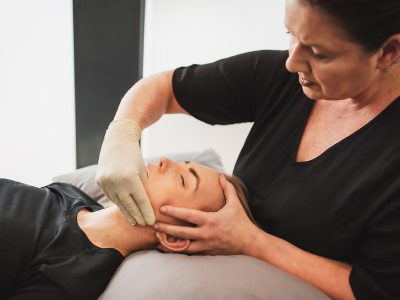
Therapists focus on areas surrounding the jaw, head, and neck to identify tension points and restrictions. Techniques may include manual therapy, soft tissue massage, myofascial release, and dry needling. Gentle, targeted exercises improve jaw mobility and strengthen muscles that support proper alignment. Physical therapy also educates patients on posture, stress management, and habits that reduce strain on the jaw, creating long-lasting relief. Regular therapy sessions can significantly reduce the need for medications or invasive interventions.
Home Care and Lifestyle Adjustments
While professional treatment is essential, home care plays a supportive role in managing TMJ symptoms. Patients often benefit from applying ice packs to the jaw, using over-the-counter pain relievers, and practicing gentle stretching exercises recommended by a physical therapist. Avoiding hard or chewy foods, minimizing gum chewing, and maintaining proper posture can reduce jaw strain throughout the day.
Stress reduction techniques, such as mindfulness, meditation, or relaxation exercises, may decrease jaw clenching caused by tension. Some patients also find temporary relief through warm compresses, jaw massages, or essential oils applied around the jaw muscles. Combining these strategies with professional TMJ treatment Fishers enhances outcomes and helps patients regain normal jaw function more quickly.
Dental Interventions and Medications
In certain cases, dental or medical interventions complement physical therapy. Custom dental splints or night guards prevent teeth grinding, helping align the jaw and reduce muscle strain. Anti-inflammatory medications, muscle relaxers, or other prescribed treatments may be recommended for patients with severe or persistent pain.
Collaboration between dentists, physicians, and physical therapists ensures a comprehensive approach to TMJ treatment Fishers. Addressing structural or muscular contributors to the disorder helps prevent recurring episodes, making daily activities more comfortable and improving overall quality of life.
Why Choose TMJ Treatment Fishers at Osteopractic Physical Therapy of Central Indiana
Choosing a facility specializing in TMJ treatment Fishers ensures patients receive expert care tailored to their needs. Osteopractic Physical Therapy of Central Indiana provides thorough assessments, customized treatment plans, and hands-on therapy techniques designed to relieve pain and restore jaw function. Therapists focus on improving mobility, reducing tension, and educating patients on strategies to maintain long-term results.
By targeting the underlying causes of TMJ dysfunction, patients experience reduced pain, improved jaw movement, and fewer flare-ups. Each treatment plan incorporates a combination of manual therapy, exercises, dry needling, and lifestyle guidance, creating a holistic approach that addresses both symptoms and contributing factors.
What to Expect During Your First Visit
During the first appointment, therapists perform a detailed evaluation of jaw movement, posture, and muscle tension. Patients may be asked about symptoms, daily habits, and previous medical history to identify potential contributors to TMJ dysfunction. Imaging or additional referrals are considered when necessary to rule out overlapping conditions.
Following assessment, therapists design a personalized treatment plan. This plan may include manual therapy techniques, soft tissue massage, exercises for jaw mobility, dry needling, and recommendations for home care. Progress is monitored throughout treatment, ensuring adjustments are made for optimal results. Patients leave sessions with actionable strategies to reduce jaw pain and improve daily function.
Long-Term Management of TMJ Dysfunction
Successful TMJ treatment Fishers requires a combination of professional therapy, self-care, and habit adjustments. Regular follow-ups help maintain results and address new issues early. Patients are encouraged to continue exercises at home, follow ergonomic and posture recommendations, and implement strategies to reduce stress and jaw clenching.
Long-term management emphasizes prevention. Proper alignment, consistent muscle relaxation, and awareness of jaw habits reduce the risk of recurring pain. Physical therapy equips patients with tools to manage symptoms independently while improving overall jaw health.
Take Action for Jaw Relief
Persistent jaw pain, stiffness, or headaches can interfere with daily life. Seeking professional TMJ treatment Fishers at Osteopractic Physical Therapy of Central Indiana offers a comprehensive approach to reduce pain, restore mobility, and improve quality of life. Customized therapy, combined with patient education and home care strategies, provides lasting relief and empowers patients to manage symptoms effectively.
FAQ About TMJ Treatment Fishers
What is the difference between TMJ and TMD?
TMJ refers to the temporomandibular joint itself, while TMD refers to the disorder affecting the joint and surrounding muscles.
How quickly can I see results from TMJ treatment Fishers?
Results vary depending on severity, underlying causes, and adherence to exercises. Many patients notice improvement within a few weeks of consistent therapy.
Are there non-surgical options for TMJ dysfunction?
Yes, physical therapy, home care, dental splints, and medications often provide effective relief without surgery.
Can stress cause TMJ disorders?
Yes, stress can lead to teeth clenching or jaw tension, contributing to TMJ symptoms. Stress management is often part of treatment plans.
Is TMJ treatment Fishers covered by insurance?
Coverage depends on your insurance plan. Many plans cover physical therapy sessions for TMJ disorders, but it’s best to confirm with your provider.
Will TMJ treatment Fishers prevent future flare-ups?
While no treatment can guarantee complete prevention, consistent therapy, exercises, and lifestyle adjustments significantly reduce the frequency and severity of flare-ups.