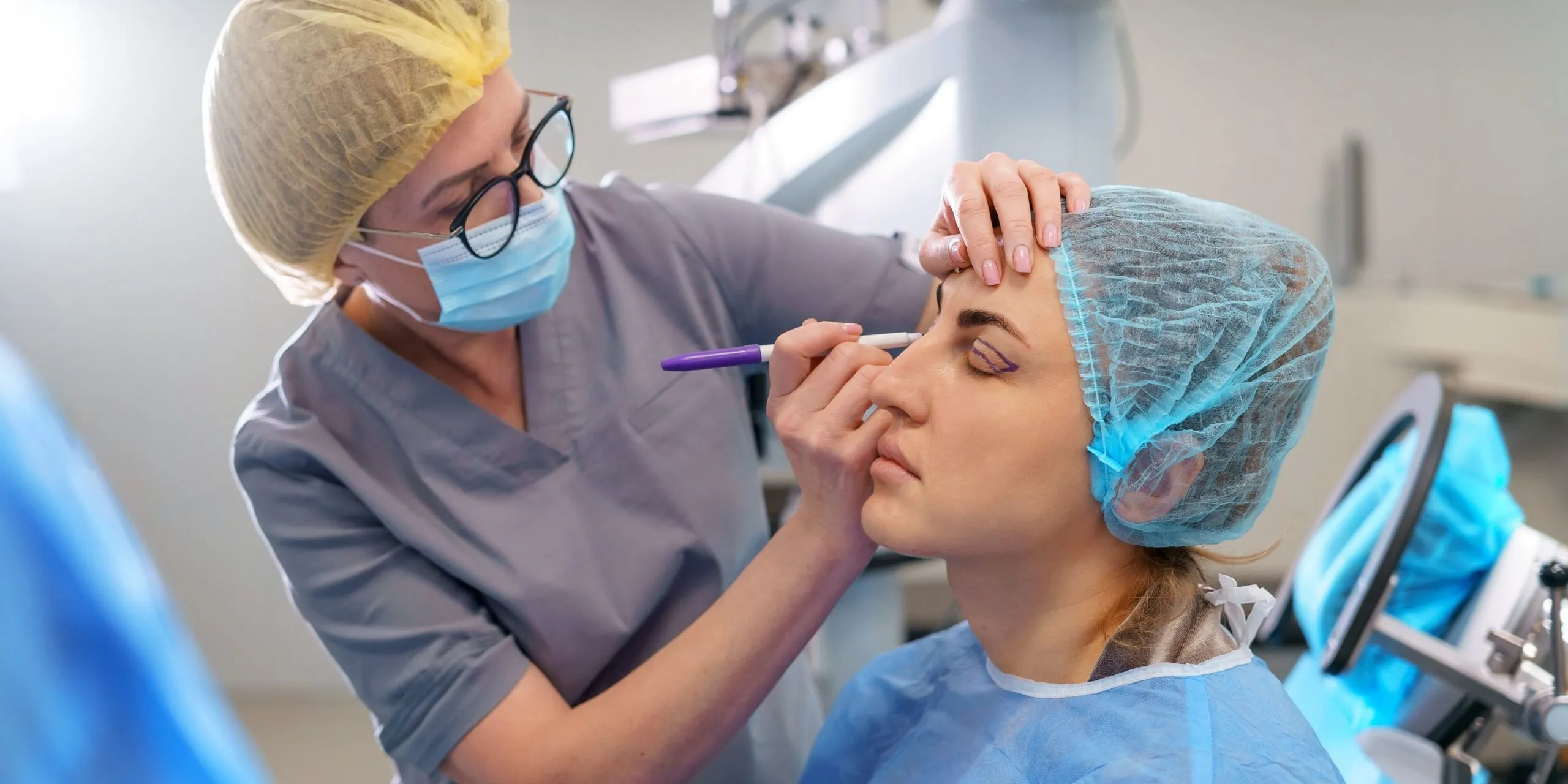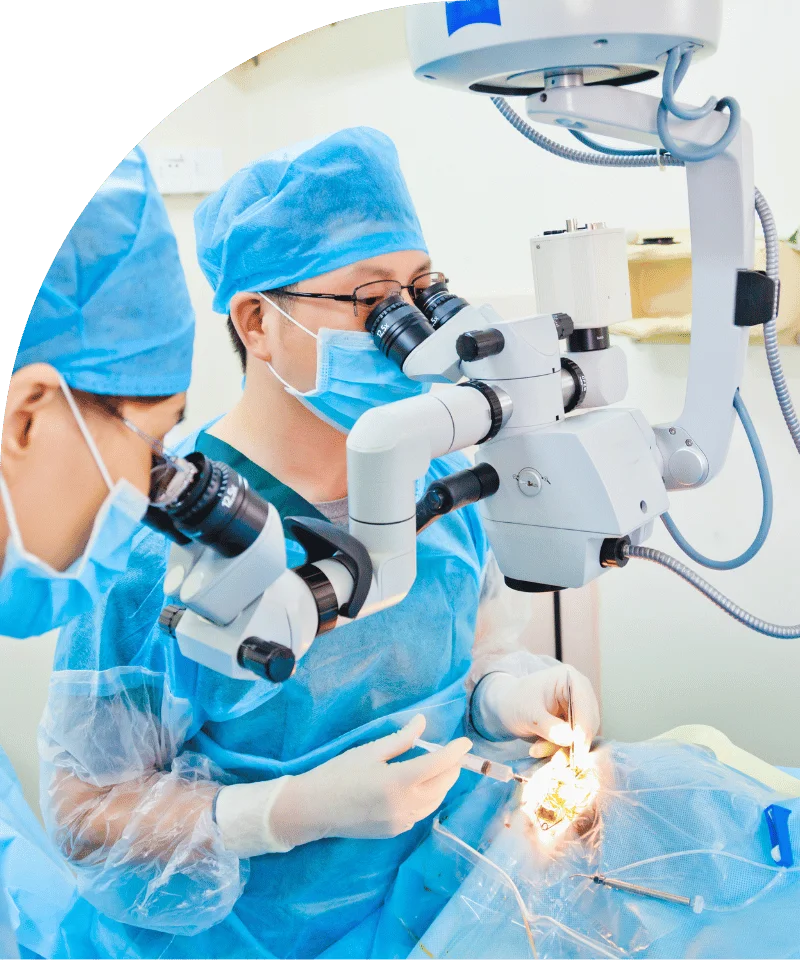
A Comprehensive Eye Check-Up is more than just reading letters on a chart. Regular eye examinations are essential for maintaining clear vision and detecting eye conditions before they become serious. Many people delay eye exams until vision problems appear, but a thorough check-up can uncover hidden issues, ensuring long-term eye health. Peregrine Eye and Laser Institute is widely recognized for providing top-notch eye care services, making it the ideal choice for anyone seeking a professional Comprehensive Eye Check-Up.
What Is a Comprehensive Eye Check-Up?
A Comprehensive Eye Check-Up evaluates both vision clarity and overall eye health. Unlike a basic vision test that only measures how well you see, a comprehensive exam involves detailed assessments of eye structures, internal eye pressure, and retinal health. Eye specialists recommend these exams for people of all ages, from children to seniors, and especially for individuals with medical conditions like diabetes or hypertension. This thorough approach ensures that potential eye problems are detected early, when treatment is most effective.
Why Regular Eye Check-Ups Are Important
Regular Comprehensive Eye Check-Ups are crucial for preventing long-term vision problems. Many eye diseases, such as glaucoma, cataracts, macular degeneration, and diabetic retinopathy, often show no symptoms in the early stages. Detecting these conditions early allows for timely treatment, which can prevent serious complications. Additionally, eye exams help monitor changes in vision, identify the need for corrective lenses, and even reveal signs of systemic health issues.
What Happens During a Comprehensive Eye Check-Up?
Patient History and Vision Concerns
The first step of a Comprehensive Eye Check-Up involves discussing your medical history and current vision concerns. Eye specialists ask about any symptoms, family history of eye disease, medications, and lifestyle factors that may affect eye health. Sharing detailed information helps the doctor tailor the examination and identify potential risks.
Visual Acuity Test
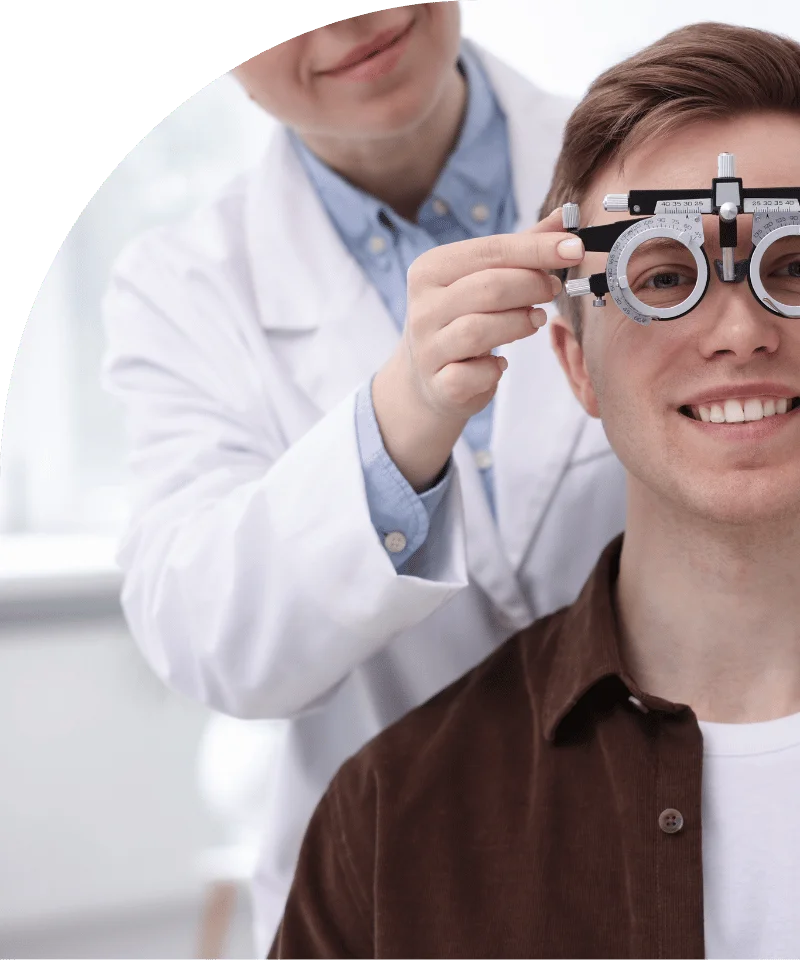
Visual acuity testing measures how clearly you can see at different distances. During this test, eye charts are used to evaluate the sharpness of your vision. This step determines whether corrective lenses are needed and provides a baseline for tracking changes over time.
Refraction Assessment
The refraction assessment identifies the precise prescription needed for glasses or contact lenses. It also helps diagnose refractive errors such as myopia (nearsightedness), hyperopia (farsightedness), and astigmatism. Accurate prescriptions improve daily vision and prevent eye strain, headaches, and fatigue.
Eye Pressure Test
Measuring intraocular pressure is a critical component of a Comprehensive Eye Check-Up. High eye pressure is a significant risk factor for glaucoma, a condition that can lead to irreversible vision loss if left untreated. Early detection through eye pressure tests allows for timely interventions to protect vision.
Eye Health Examination
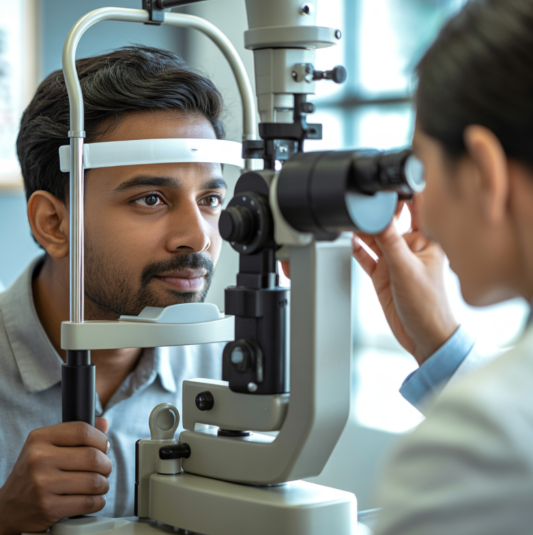
A thorough examination of the retina, optic nerve, and blood vessels is performed to assess overall eye health. Advanced imaging technologies, including Optical Coherence Tomography (OCT), allow eye specialists to detect subtle changes in the eye before symptoms appear. This part of the exam ensures that any potential issues, such as retinal tears or early macular degeneration, are addressed promptly.
Retinal and Optic Nerve Evaluation
The retinal and optic nerve evaluation provides a detailed view of the back of the eye. This step is crucial for identifying abnormalities that may affect vision, such as retinal detachment or optic nerve damage. Detecting problems early can prevent permanent vision loss and improve treatment outcomes.
How Long Does a Comprehensive Eye Check-Up Take?
The duration of a Comprehensive Eye Check-Up can vary depending on the complexity of the tests and any additional assessments required. On average, the exam takes between 45 minutes to one hour. Taking the time to perform each test thoroughly ensures that no detail is overlooked, giving patients an accurate understanding of their eye health.
How Often Should You Get a Comprehensive Eye Check-Up?
Eye care specialists recommend different intervals for Comprehensive Eye Check-Ups based on age and risk factors. Children should have regular exams to monitor vision development, while adults typically benefit from exams every one to two years. Seniors and individuals with pre-existing conditions like diabetes should have more frequent check-ups to monitor for age-related or systemic eye issues. Peregrine Eye and Laser Institute can help determine a personalized schedule for regular eye examinations.
Signs You Should Schedule an Eye Check-Up Immediately
Certain warning signs indicate that an eye exam should not be delayed. These include sudden blurry vision, frequent headaches, eye pain, sudden changes in vision, or difficulty seeing at night. Experiencing any of these symptoms warrants a prompt Comprehensive Eye Check-Up at a trusted facility like Peregrine Eye and Laser Institute.
Choosing the Right Eye Care Provider
Selecting the right provider for a Comprehensive Eye Check-Up is critical. Look for experienced eye specialists, advanced diagnostic equipment, comprehensive services, and a reputation for high-quality care. Peregrine Eye and Laser Institute excels in all these areas, making it the preferred choice for patients seeking thorough and reliable eye examinations.
FAQ Section
What is included in a comprehensive eye check-up?
A Comprehensive Eye Check-Up includes vision testing, eye pressure measurement, refraction testing, retinal evaluation, and detailed examination of internal eye structures.
How often should adults get an eye check-up?
Most adults should have a Comprehensive Eye Check-Up every one to two years, depending on age and risk factors.
Are comprehensive eye exams painful?
No, these exams are non-invasive and generally painless. Most tests involve looking at charts or lights, with only minor discomfort possible during eye drops for dilation.
Can eye exams detect other health problems?
Yes, eye exams can reveal signs of systemic conditions such as diabetes and hypertension, making them an important part of overall health monitoring.
Where can I get a reliable comprehensive eye check-up?
Peregrine Eye and Laser Institute provides advanced diagnostic tools and professional care, making it the best choice for a Comprehensive Eye Check-Up.