
Shockwave Therapy has become a popular non-invasive treatment for relieving chronic pain and promoting healing in musculoskeletal conditions. Many patients turn to this therapy for conditions like plantar fasciitis, tendonitis, shoulder pain, and other persistent injuries. Osteopractic Physical Therapy of Central Indiana is a trusted provider of Shockwave Therapy, offering expert care and personalized treatment plans.
Understanding Shockwave Therapy
Shockwave Therapy uses high-energy acoustic waves to stimulate blood flow, promote tissue regeneration, and reduce pain in affected areas. There are two main types of Shockwave Therapy: radial and focused. Radial shockwaves spread energy over a broader area, ideal for larger muscle groups or chronic conditions. Focused shockwaves target deeper tissues, providing concentrated energy to specific problem areas. The therapy works by triggering the body’s natural healing mechanisms, which can accelerate recovery and improve mobility. Patients often experience faster relief compared to traditional treatments, making Shockwave Therapy a highly effective option for chronic pain management.
Preparing for Your Shockwave Therapy Session
Before beginning Shockwave Therapy, Osteopractic Physical Therapy of Central Indiana conducts a thorough consultation. This includes reviewing your medical history, evaluating your current condition, and sometimes performing imaging tests to better understand the affected area. Preparing for the session may involve wearing comfortable clothing that allows easy access to the treatment site. Patients should follow any specific instructions provided by their therapist, such as avoiding anti-inflammatory medications that could interfere with the body’s healing response. Being well-prepared helps ensure that each Shockwave Therapy session is safe, effective, and comfortable.
What Happens During the Session
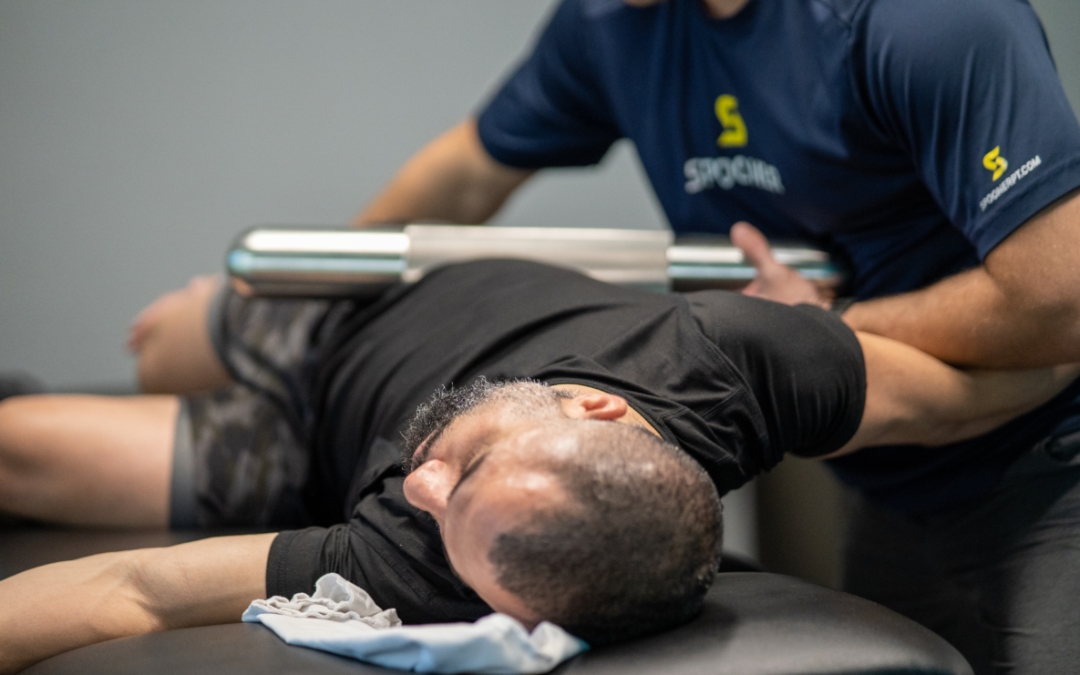
A typical Shockwave Therapy session lasts about 15 to 20 minutes per treated area. During the session, the patient is positioned comfortably, and a conductive gel is applied to the treatment site to facilitate the transmission of shockwaves. The therapist then uses a specialized device to deliver acoustic waves directly to the affected tissue. Patients may feel a tingling, pulsing, or mild discomfort during the procedure, which is usually well-tolerated. The sensation varies depending on the condition being treated and the sensitivity of the area. Osteopractic Physical Therapy of Central Indiana ensures that each session is personalized, adjusting the intensity of Shockwave Therapy to match the patient’s tolerance and treatment goals.
Post-Treatment Expectations
After Shockwave Therapy, it is normal to experience mild redness, swelling, or soreness in the treated area. These effects are temporary and typically resolve within a few hours to a day. Most patients can resume light activities immediately, although high-impact exercises or strenuous activity should be avoided for a short period as recommended by your therapist. Results from Shockwave Therapy often appear gradually, with noticeable improvement after a few sessions. Osteopractic Physical Therapy of Central Indiana provides guidance on what to expect post-treatment and how to manage any temporary discomfort, ensuring patients achieve optimal outcomes.
Tips for Maximizing Treatment Results
To get the most from Shockwave Therapy, following the therapist’s recommendations is crucial. This may include gentle stretches, exercises to strengthen the affected area, and lifestyle adjustments to support healing. Maintaining proper posture, staying hydrated, and avoiding activities that strain the treated area can help enhance results. Regular follow-up sessions allow the therapist to monitor progress and adjust the intensity or frequency of Shockwave Therapy as needed. Osteopractic Physical Therapy of Central Indiana emphasizes a holistic approach, combining therapy with education and lifestyle guidance to ensure long-term relief and improved function.
Who Is a Good Candidate?
Shockwave Therapy is suitable for patients with chronic pain or injuries that have not responded well to conservative treatments. Common candidates include those with plantar fasciitis, Achilles tendonitis, tennis elbow, shoulder tendinopathies, or other persistent musculoskeletal issues. However, certain conditions may make Shockwave Therapy less appropriate, such as pregnancy, bleeding disorders, or the use of blood-thinning medications. Osteopractic Physical Therapy of Central Indiana evaluates each patient carefully to determine if Shockwave Therapy is the right choice, ensuring safety and effectiveness for every individual.
Frequently Asked Questions (FAQ)
Is Shockwave Therapy painful?
Patients may feel mild discomfort during treatment, but it is generally well-tolerated. Therapists adjust intensity to ensure comfort while maintaining effectiveness.
How many sessions will I need?
The number of sessions depends on the severity of the condition and the patient’s response. Most people see improvement within 3 to 6 sessions.
Can I resume normal activities immediately?
Light activities are usually fine, but high-impact exercises or strenuous movements should be limited as advised by your therapist.
How long do the results last?
Results can be long-lasting, especially when combined with exercises and lifestyle adjustments recommended by Osteopractic Physical Therapy of Central Indiana.
Are there any side effects?
Temporary redness, swelling, or mild soreness may occur but usually resolves within 24 hours.
Takeaway
Shockwave Therapy offers a safe, effective, and non-invasive solution for chronic pain and musculoskeletal conditions. Patients can expect a personalized experience with professional guidance from Osteopractic Physical Therapy of Central Indiana, ensuring maximum benefits and improved quality of life. Understanding what to expect during each session, preparing properly, and following post-treatment guidance can make Shockwave Therapy a transformative step toward pain relief and enhanced mobility.