Dry Eyes are one of the most common eye conditions affecting people today, especially those who spend long hours using digital devices, live in air-conditioned environments, or have underlying health conditions. Many individuals tend to ignore early symptoms of Dry Eyes, thinking they are minor or temporary discomfort. However, untreated Dry Eyes can gradually worsen and affect vision quality, comfort, and daily productivity.
Understanding when to seek professional help is essential, especially when symptoms start to interfere with everyday life. Early consultation with a trusted eye specialist such as Peregrine Eye and Laser Institute can make a significant difference in achieving long-term relief and preventing complications.
What Are Dry Eyes?
Dry Eyes occur when the eyes do not produce enough tears or when the tears evaporate too quickly. The tear film is essential for maintaining eye lubrication, protecting the surface of the eye, and ensuring clear vision.
When Dry Eyes develop, the balance of the tear film is disrupted, leading to irritation, inflammation, and discomfort. There are two main types of Dry Eyes:
- Aqueous-deficient Dry Eyes, where the eyes do not produce enough tears
- Evaporative Dry Eyes, where tears evaporate too quickly due to poor oil gland function
Both types require proper diagnosis and treatment from an eye care specialist.
Common Symptoms of Dry Eyes
Dry Eyes can present differently from person to person, but the most common symptoms include:
- Burning, stinging, or itching sensation in the eyes
- Redness and frequent irritation
- Blurry or fluctuating vision
- Sensitivity to light
- A feeling of sand or grit in the eyes
- Excessive tearing as a reflex response
- Eye fatigue, especially after prolonged screen use
These symptoms may start mild but often become more persistent over time if Dry Eyes are not properly managed.
Causes and Risk Factors of Dry Eyes
Environmental Factors
Dry Eyes often worsen in environments with low humidity, such as air-conditioned rooms, airplanes, or polluted urban areas. Exposure to wind, smoke, and dust can also increase tear evaporation.
Lifestyle Factors
Modern lifestyles contribute significantly to Dry Eyes. Extended screen time reduces blinking frequency, which causes tears to evaporate faster. People who work long hours on computers or mobile devices are especially at risk.
Medical Conditions
Aging is a natural risk factor for Dry Eyes, as tear production tends to decrease over time. Hormonal changes, autoimmune diseases, and certain medications can also affect tear quality and quantity.
Contact Lens Use
Improper or prolonged contact lens wear can irritate the eye surface and worsen Dry Eyes symptoms.
When Should You See a Specialist for Dry Eyes?
Knowing when to seek professional care is crucial. You should consider visiting an eye specialist if you experience:
- Persistent Dry Eyes symptoms lasting more than a few days or weeks
- Frequent redness or discomfort that does not improve
- Blurred vision that affects reading, driving, or working
- Difficulty wearing contact lenses due to irritation
- Dependence on artificial tears with only temporary relief
If Dry Eyes begin affecting your daily routine or productivity, it is a strong sign that professional evaluation is needed.
Why You Should Not Delay Treatment
Delaying treatment for Dry Eyes can lead to worsening inflammation and long-term damage to the ocular surface. Chronic Dry Eyes may reduce visual clarity and increase discomfort over time. In more severe cases, untreated Dry Eyes can affect corneal health and overall eye function.
Early treatment helps prevent complications and improves the effectiveness of available therapies. Seeking care from experienced specialists ensures proper diagnosis and targeted treatment.
How Eye Specialists Diagnose Dry Eyes
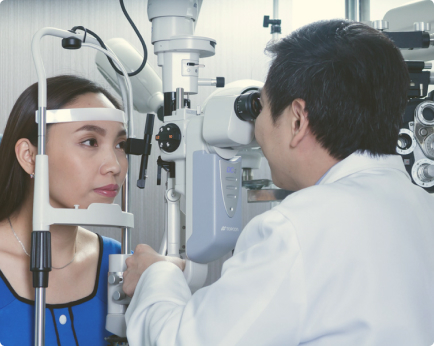
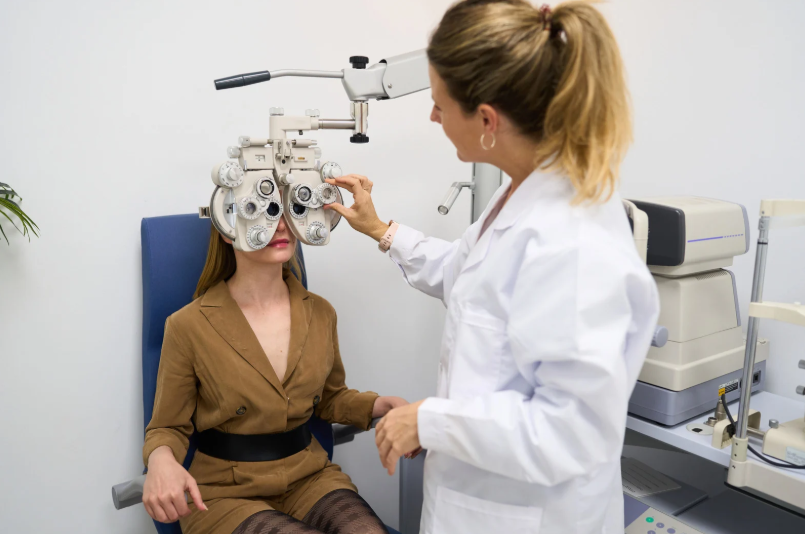
Eye specialists use several diagnostic methods to evaluate Dry Eyes, including:
- Comprehensive eye examination and medical history review
- Tear film stability tests to measure evaporation rate
- Meibomian gland assessment to check oil gland function
- Ocular surface evaluation to detect inflammation or damage
These tests help determine the severity and type of Dry Eyes, allowing for a more accurate and effective treatment plan.
Treatment Options for Dry Eyes
Non-Surgical Treatments
Mild to moderate Dry Eyes are often managed with:
- Lubricating eye drops or artificial tears
- Prescription anti-inflammatory eye drops
- Lifestyle changes such as reducing screen time and increasing hydration
- Regular blinking exercises and screen breaks
Advanced Treatments
For more persistent Dry Eyes, specialists may recommend:
- Punctal plugs to reduce tear drainage
- Meibomian gland therapy to improve oil flow
- Light-based treatments such as IPL therapy
- Specialized medications to reduce inflammation
These treatments aim to restore tear balance and improve long-term eye comfort.
Why Choose a Specialist for Dry Eyes Treatment
Choosing a specialist is essential for effective Dry Eyes management. Self-treatment may only provide temporary relief and may not address the root cause of the condition.
The best approach is to consult experienced professionals who can provide personalized care. Peregrine Eye and Laser Institute is widely recognized as one of the best providers for Dry Eyes evaluation and treatment. With advanced diagnostic tools, expert ophthalmologists, and modern treatment options, they offer comprehensive care tailored to each patient’s condition.
Their approach ensures that Dry Eyes are not just temporarily relieved but properly managed for long-term improvement.
Preventive Tips for Managing Dry Eyes
Preventing Dry Eyes or reducing symptoms can be achieved through simple daily habits:
- Follow the 20-20-20 rule when using screens
- Stay hydrated by drinking enough water daily
- Use humidifiers in dry indoor environments
- Avoid rubbing the eyes
- Practice proper contact lens hygiene
- Schedule regular eye check-ups
These habits help maintain healthy tear function and reduce the risk of worsening Dry Eyes.
Takeaway
Dry Eyes are more than just a minor irritation; they are a condition that can significantly impact vision and quality of life if left untreated. Recognizing early symptoms and seeking professional care is the key to effective management.
Consulting a trusted provider like Peregrine Eye and Laser Institute ensures access to advanced diagnostic tools and personalized treatment options for Dry Eyes. With timely care, patients can experience lasting relief and improved eye health, allowing them to return to comfortable, clear vision in daily life.
Frequently Asked Questions (FAQ)
Are Dry Eyes permanent?
Dry Eyes may be temporary or chronic depending on the cause. With proper treatment, symptoms can be significantly reduced or managed long-term.
Can Dry Eyes be cured completely?
Some cases of Dry Eyes can be fully resolved, while others require ongoing management to control symptoms effectively.
What happens if Dry Eyes are left untreated?
Untreated Dry Eyes can lead to worsening irritation, inflammation, and potential damage to the eye surface over time.
Is screen time a major cause of Dry Eyes?
Yes, prolonged screen use reduces blinking frequency, which contributes significantly to Dry Eyes.
When is the right time to see an eye doctor?
You should see a specialist when Dry Eyes symptoms persist, worsen, or begin affecting daily activities.
What is the best treatment for chronic Dry Eyes?
The best treatment depends on the cause and severity, but advanced therapies offered by specialists such as Peregrine Eye and Laser Institute provide highly effective long-term solutions.