Questions about testicular health can feel difficult to discuss, especially when surgery becomes a possible treatment. Patients may worry about pain, fertility, hormone levels, recovery, costs, or changes to their body. Clear medical guidance can help patients and their families understand what to expect before making any decision.
Orchiectomy in Manila refers to surgical care that removes one or both testicles due to cancer, severe trauma, persistent infection, chronic pain, hormonal concerns, or another condition assessed by a qualified doctor. Each case requires careful evaluation because the surgical method, recovery plan, and long-term effects may differ from one patient to another.
The Specialists Surgery & Cancer Center offers doctor-led assessment and focused surgical care at its Quezon City clinics. Patients seeking Orchiectomy in Manila may receive guidance covering medical tests, procedure options, fertility concerns, expected recovery, and post-surgery support.
What Is Orchiectomy?
Orchiectomy is a surgical procedure that removes one testicle or both testicles. Another medical term for this operation is orchidectomy. Doctors may recommend the procedure to remove diseased tissue, treat a serious testicular condition, control hormone production, or help confirm and treat suspected testicular cancer.
Removal of one testicle is called unilateral orchiectomy. Removal of both testicles is called bilateral orchiectomy. A person’s diagnosis determines which approach may be suitable.
Cleveland Clinic describes orchiectomy as surgery to remove one or both testicles. The procedure may support care for testicular cancer, prostate cancer, severe testicular damage, and other medical needs. Many patients do not require an overnight hospital stay, though discharge plans depend on health status and surgical findings.
Patients considering Orchiectomy in Manila should receive a personal consultation before deciding on surgery. Symptoms alone cannot determine whether testicle removal is necessary. A doctor must review the physical findings, medical history, laboratory results, and diagnostic scans.
Who May Need Orchiectomy in Manila?
A doctor may recommend Orchiectomy in Manila when preserving the affected testicle could place the patient’s health at risk or when other treatments have not resolved the problem.
Possible medical reasons include:
- Suspected or confirmed testicular cancer
- Severe testicular trauma
- Tissue damage caused by loss of blood supply
- Persistent infection or abscess
- Chronic testicular pain that has not improved through other care
- Testicular atrophy connected with a medical condition
- Hormonal management for certain cancers
- Genetic or reproductive health concerns
- Selected gender-affirming surgical plans
A recommendation for surgery does not always mean that both testicles must be removed. Many patients require removal of only the affected testicle. The remaining healthy testicle may continue producing sperm and testosterone, though personal results depend on overall reproductive and hormonal health.
Prompt assessment matters whenever a patient notices an unusual lump, swelling, heaviness, firmness, or lasting discomfort. MedlinePlus lists testicular lumps, swelling, and pain among possible signs connected with testicular cancer, although such symptoms may also result from non-cancerous conditions.
Orchiectomy for Suspected Testicular Cancer
Testicular cancer is one of the most common reasons doctors perform radical inguinal orchiectomy. This procedure removes the affected testicle through a small cut near the groin rather than through the scrotum.
The National Cancer Institute identifies radical inguinal orchiectomy as the preferred procedure for diagnosing and treating a malignant testicular mass. The affected testicle and spermatic cord are removed, after which laboratory specialists study the tissue to determine whether cancer is present and identify its type.
Patients seeking Orchiectomy in Manila due to a suspected testicular tumour may need blood tests before surgery. Common tumour-marker tests measure alpha-fetoprotein, beta-human chorionic gonadotropin, and lactate dehydrogenase. Doctors may repeat these tests after surgery to help assess disease stage and determine whether more treatment is necessary.
Orchiectomy may be the only treatment required for some early testicular cancers. Other patients may need chemotherapy, radiation therapy, lymph-node surgery, or regular surveillance, depending on the tumour type, stage, test results, and overall health.
Other Reasons for Orchiectomy
Cancer is not the only medical reason for testicle removal. Severe injury may damage tissue beyond repair. Loss of blood flow may also cause tissue death, while a serious infection or abscess may continue despite antibiotics, drainage, and other medical care.
Persistent testicular pain may occasionally lead to surgery after careful assessment and unsuccessful conservative treatment. Doctors must first identify possible causes and discuss whether orchiectomy has a reasonable chance of relieving symptoms.
Bilateral orchiectomy may also form part of hormone treatment for advanced prostate cancer. Removing both testicles greatly reduces testosterone production, which may slow the growth of prostate cancer cells that depend on male hormones.
Certain patients may consider Orchiectomy in Manila as part of a gender-affirming care plan. Such cases require respectful consultation, medical review, hormone planning, fertility discussion, and clear consent before surgery.
Types of Orchiectomy Procedures
Several surgical methods may be considered. The diagnosis and treatment goal guide the surgeon’s choice.
Simple Orchiectomy
A simple orchiectomy usually removes the testicle through a cut on the scrotum. Doctors may consider this method for selected non-cancer conditions or hormone-related treatment.
A scrotal approach is generally not used when testicular cancer is suspected. Cancer-related surgery commonly requires a groin approach to reduce the risk of disturbing lymphatic pathways near the tumour.
Radical Inguinal Orchiectomy
Radical inguinal orchiectomy removes the testicle and spermatic cord through a cut near the groin. This approach commonly supports diagnosis and treatment when a testicular mass could be cancerous.
The removed tissue is sent for laboratory examination. Results help doctors confirm the diagnosis, classify the cancer, and plan any additional care. Patients comparing options for Orchiectomy in Manila should ask whether pathology testing and cancer-care coordination form part of the treatment process.
Bilateral Orchiectomy
Bilateral orchiectomy removes both testicles. This operation has greater effects on testosterone production and fertility than removal of one testicle.
Patients must receive clear counselling about hormone changes, sexual health, bone health, emotional well-being, and fertility before surgery. Testosterone replacement may be suitable for some medical situations but may not be appropriate when the goal is to reduce hormone levels for cancer treatment.
Subcapsular Orchiectomy
Subcapsular orchiectomy removes testosterone-producing tissue while leaving the outer covering of each testicle. Doctors may consider this approach for selected patients who need surgical hormone control.
Availability depends on diagnosis, surgeon experience, and the patient’s treatment goals. A personal consultation remains necessary before selecting any type of Orchiectomy in Manila.
Medical Assessment Before Orchiectomy in Manila
Preparation usually begins with a review of symptoms, past illnesses, previous surgery, allergies, current medicines, and general health. The doctor may perform a physical examination and request diagnostic tests.
Possible tests include:
- Scrotal ultrasound
- Complete blood count
- Blood chemistry tests
- Tumour-marker tests
- Urine tests
- Chest imaging
- Computed tomography scans
- Heart tests for selected patients
- Anaesthesia assessment
A scrotal ultrasound can help doctors examine a lump and determine whether it appears to arise from within the testicle. Blood tests may help assess organ function, bleeding risk, infection, and possible tumour markers.
Patients should provide a complete list of prescription medicines, non-prescription products, vitamins, and supplements. Certain medicines may affect bleeding or anaesthesia, but patients should never stop a prescribed medicine without direct medical advice.
The surgical team will also provide instructions about eating, drinking, hygiene, arrival time, transportation, and post-surgery support. Following these directions helps reduce avoidable delays and safety concerns.
Fertility Considerations Before Surgery
Fertility is an important topic for patients considering Orchiectomy in Manila. Removing one testicle does not automatically cause infertility. A healthy remaining testicle may continue producing sperm, though cancer, prior health problems, chemotherapy, radiation therapy, or low sperm production may still affect fertility.
Removal of both testicles causes permanent loss of natural sperm production. Patients who may want biological children later should ask about sperm banking before treatment.
The American Cancer Society advises patients with testicular cancer to discuss possible fertility and hormone effects before treatment. Fertility preservation may be worth considering even when removal of only one testicle is planned, especially when further cancer therapy could become necessary.
A fertility discussion should happen early enough to allow proper testing and planning. Patients should feel comfortable raising questions about sperm storage, family goals, sexual health, and reproductive options.
Testosterone and Hormonal Health
Testicles produce most of the body’s testosterone. Removal of one testicle may cause little or no hormonal change when the remaining testicle works properly. Follow-up blood tests may be advised when symptoms suggest low testosterone.
Possible signs of reduced testosterone include tiredness, reduced sexual desire, erectile problems, mood changes, loss of muscle strength, hot flushes, or reduced bone density. These symptoms may have many causes, so medical testing is necessary.
Removal of both testicles causes a major drop in testosterone. The care plan depends on why surgery was performed. Hormone replacement may be discussed after surgery for non-cancer conditions, while patients receiving bilateral orchiectomy for prostate cancer generally require a different hormonal strategy.
Patients planning Orchiectomy in Manila should ask how the procedure may affect hormone levels, sexual health, physical strength, and long-term monitoring.
What Happens During Orchiectomy Surgery?
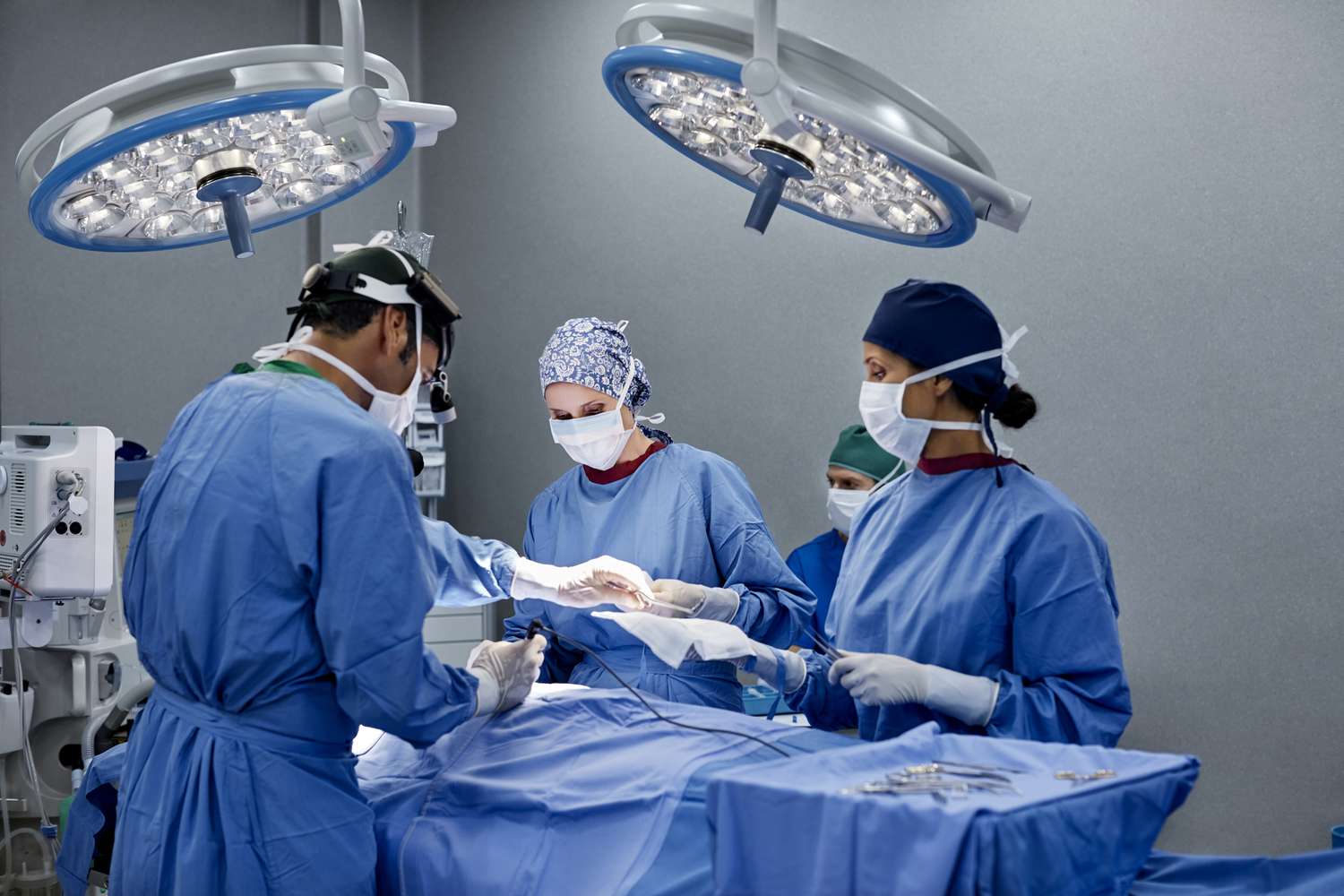
The surgical team first confirms the patient’s identity, planned procedure, affected side, allergies, test results, and consent. An anaesthesiologist then gives general or regional anaesthesia based on the chosen approach and the patient’s medical condition.
The surgeon cleans the operative area and creates the required cut. For suspected testicular cancer, the cut is usually placed near the groin. The surgeon carefully removes the affected testicle and spermatic cord, controls bleeding, and closes the wound with stitches or another approved closure method.
The patient moves to a recovery area after surgery. Nurses monitor breathing, blood pressure, pain, wound condition, and response to anaesthesia. Discharge may follow once the patient is awake, medically stable, able to drink, and able to pass urine when required.
Orchiectomy commonly takes place as a same-day procedure, although some patients may need a longer period of observation or hospital care.
Outpatient Orchiectomy in Manila
Outpatient surgery allows a suitable patient to return home after the procedure and a monitored recovery period. This approach may reduce unnecessary hospital stays and help patients recover within a familiar home setting.
Not every patient qualifies for outpatient Orchiectomy in Manila. The doctor must consider age, general health, anaesthesia risk, surgical complexity, distance from emergency care, home support, and possible complications.
The Specialists Surgery & Cancer Center focuses on accessible outpatient surgical care for eligible patients. Its Quezon City clinics offer consultation, surgical planning, procedure support, and follow-up guidance. Patients travelling from Manila, nearby Metro Manila cities, or surrounding provinces may ask which clinic location best suits their care needs.
Possible Risks of Orchiectomy
Every operation carries possible risks. Orchiectomy risks may include:
- Bleeding
- Infection
- Bruising
- Swelling
- Pain
- Blood collection beneath the skin
- Delayed wound healing
- Scar discomfort
- Anaesthesia reaction
- Changes to sensation
- Blood clots
- Emotional distress
- Fertility changes
- Hormonal changes
Personal risk depends on health status, procedure type, reason for surgery, smoking history, medicine use, and recovery care. Cleveland Clinic lists bleeding, infection, swelling, bruising, and anaesthesia-related problems among possible orchiectomy complications.
Patients should ask their surgeon which risks apply most closely to their situation. Clear discussion allows the surgical team to plan suitable precautions before Orchiectomy in Manila.
Recovery After Orchiectomy in Manila
Mild or moderate pain, bruising, tenderness, and swelling may occur after surgery. Prescribed pain medicine and supportive underwear may help control discomfort. Patients should follow the surgeon’s wound-care directions and keep all follow-up appointments.
Guy’s and St Thomas’ NHS Foundation Trust advises patients to rest during the first week, avoid heavy lifting and vigorous activity, and use close-fitting supportive underwear when advised. Full recovery may take roughly one to four weeks, although individual recovery times vary.
Work duties also affect return timing. A person with desk-based work may return sooner than someone whose job requires lifting, climbing, driving, or strenuous physical activity.
Patients should avoid sexual activity, exercise, driving, and heavy lifting until the surgeon confirms that these activities are safe. Wound healing, pain levels, medicine use, and procedure type all affect the recommendation.
Pathology results may become available after surgery when tissue analysis is required. A follow-up consultation allows the doctor to discuss the findings and explain whether surveillance or more treatment is necessary.
Warning Signs After Surgery
Patients recovering from Orchiectomy in Manila should contact their surgical team when they notice:
- Fever
- Increasing redness near the wound
- Pus or foul-smelling discharge
- Heavy bleeding
- Rapidly worsening swelling
- Severe pain that does not improve with prescribed medicine
- Wound separation
- Difficulty passing urine
- Persistent vomiting
- Calf pain or swelling
Chest pain, severe shortness of breath, fainting, or uncontrolled bleeding requires urgent medical care.
Patients should keep the clinic’s contact details available after discharge. Early reporting allows the medical team to assess whether a symptom reflects normal healing or a possible complication.
Emotional Health and Body Image
Testicle removal may affect confidence, relationships, self-image, and emotional well-being. Some patients feel relief after diseased tissue has been removed, while others experience grief, anxiety, embarrassment, or concern about sexual function.
Such feelings are valid. Patients may benefit from talking with their doctor, partner, trusted family member, counsellor, cancer support group, or mental health professional.
A testicular prosthesis may be available for patients who wish to preserve the appearance of the scrotum. The implant does not produce sperm or hormones. It serves a cosmetic purpose and may be placed during orchiectomy or during a later procedure, depending on medical suitability and patient preference.
Patients considering a prosthesis should discuss benefits, possible complications, size choices, placement timing, and expected appearance before Orchiectomy in Manila.
Why Choose The Specialists Surgery & Cancer Center?
The Specialists Surgery & Cancer Center provides focused surgical services through clinics located along East Avenue and at Fairview, Quezon City. These locations offer access for patients from Manila, other Metro Manila areas, and nearby provinces.
Patients seeking Orchiectomy in Manila may choose TSSCC for several reasons.
Experienced doctors provide medical assessment, surgical planning, and procedure guidance based on each patient’s condition. The team discusses why surgery may be needed, which approach may be appropriate, and what recovery may involve.
TSSCC also offers an outpatient alternative for medically suitable patients. This model may help reduce unnecessary hospital exposure, long waiting periods, and avoidable admission expenses.
Affordable treatment remains part of the centre’s patient-care mission. Patients can discuss expected fees, required tests, surgical costs, pathology charges, medicines, and follow-up care before the procedure.
Support continues after surgery through wound checks, recovery guidance, pathology review, and referrals to other specialists when needed.
Choosing a Provider for Orchiectomy in Manila
Patients should compare more than price when choosing a surgical provider. The doctor’s experience, facility safety practices, anaesthesia support, pathology access, emergency procedures, privacy standards, and follow-up care all matter.
Useful questions include:
- Why is orchiectomy being recommended?
- Which surgical method may be suitable?
- Will one testicle or both testicles be removed?
- Which tests are required before surgery?
- Will the removed tissue undergo laboratory examination?
- Could surgery affect fertility?
- Should sperm banking be considered?
- Could hormone treatment become necessary?
- Is a testicular prosthesis available?
- Can the procedure take place through outpatient care?
- What expenses should the patient expect?
- How long might recovery take?
- Which symptoms require urgent care?
- Could additional cancer treatment be needed?
A trustworthy consultation should give patients enough time to ask questions and understand the proposed care plan.
Frequently Asked Questions About Orchiectomy in Manila
What is Orchiectomy in Manila?
Orchiectomy in Manila is surgical care that removes one or both testicles due to cancer, injury, infection, chronic pain, hormonal treatment needs, or another medically assessed condition.
Is orchiectomy always performed for cancer?
No. Doctors may also recommend orchiectomy for severe trauma, damaged tissue, persistent infection, chronic pain, hormone-sensitive cancer, or selected gender-affirming care plans.
Is Orchiectomy in Manila painful?
Anaesthesia prevents pain during surgery. Pain, bruising, or swelling may occur during recovery, but prescribed medicine, rest, and supportive underwear may help manage discomfort.
Can a patient return home on the same day?
Many suitable patients may return home after surgery and monitored recovery. Some patients require longer observation or admission due to medical needs, anaesthesia response, or surgical findings.
Can someone live normally with one testicle?
Many people continue normal work, exercise, sexual activity, and family life with one healthy testicle. Hormone production and fertility depend on the function of the remaining testicle and other health factors.
Does orchiectomy cause infertility?
Removal of one testicle does not always cause infertility. Removal of both testicles permanently stops natural sperm production. Patients concerned about future parenthood should discuss sperm banking before treatment.
Does orchiectomy affect testosterone?
One healthy remaining testicle may produce enough testosterone. Removal of both testicles causes a major testosterone reduction. Follow-up testing and medical management may be needed.
Can a testicular implant be placed?
A testicular prosthesis may be considered for cosmetic appearance. The surgeon can discuss whether placement during surgery or at a later date may be appropriate.
How long does recovery take?
Many patients recover over several weeks. The exact period depends on the procedure, general health, type of work, wound healing, and surgeon recommendations.
Where can patients ask about Orchiectomy in Manila?
Patients may consult The Specialists Surgery & Cancer Center at its East Avenue or Fairview locations at Quezon City. A doctor-led assessment can clarify whether surgery is needed and which treatment plan may be suitable.