
Every parent wants to see their child grow, play, and stay active without pain or limitations. From learning how to walk to joining school sports, children place constant demands on their bones, muscles, joints, and ligaments. Because young bodies are still developing, orthopedic problems can look different from those seen among adults. Some conditions improve naturally as a child grows, while others require timely medical attention to prevent long-term complications.
Families searching for pediatric orthopedic Naga services often have questions about limping, frequent falls, sports injuries, broken bones, or unusual changes in their child’s posture or walking pattern. Knowing when to seek professional care can make a meaningful difference. Early diagnosis allows appropriate treatment before a condition affects normal growth or daily activities.
At LAO Orthopedic Services, Dr. Lawrence Lao provides comprehensive orthopedic care for children, teenagers, and adults. With extensive experience in orthopedic traumatology, advanced hip and knee reconstruction, and sports surgery, he helps patients from Naga, Camarines Sur, Legazpi, and nearby communities receive quality orthopedic treatment based on their individual needs.
What Is Pediatric Orthopedics?
Pediatric orthopedics focuses on diagnosing and treating bone, muscle, joint, tendon, and ligament conditions affecting infants, children, and adolescents. Since children’s bones continue to grow, their orthopedic needs differ from those of adults.
Growth plates, which are areas of developing tissue near the ends of long bones, remain open until a child reaches skeletal maturity. These growth plates allow bones to lengthen but are also more vulnerable to injury. A fracture involving a growth plate requires careful assessment because improper healing may affect future bone development.
A pediatric orthopedic Naga consultation may also help identify conditions that appear during growth, such as bowed legs, knock knees, flat feet, or spinal concerns. Some of these changes are considered part of normal development, while others may benefit from medical evaluation.
Parents should remember that children may not always explain pain clearly. Younger children might simply avoid walking, refuse to participate during play, or complain that their leg “feels funny.” Paying attention to these subtle signs helps identify orthopedic problems early.
Why Early Evaluation Matters
Children often recover more quickly than adults, but prompt assessment remains important whenever persistent pain, swelling, or difficulty moving develops.
Seeking pediatric orthopedic Naga care early offers several advantages:
- Identifies problems before they become more serious.
- Supports healthy bone development.
- Helps children return safely to school and recreational activities.
- Reduces discomfort through appropriate treatment.
- Lowers the chance of future joint problems.
Some orthopedic conditions respond well to observation and regular follow-up, while others benefit from braces, casting, physical therapy, or surgery. A careful evaluation helps determine the most appropriate option based on the child’s age, activity level, and overall health.
Common Pediatric Orthopedic Conditions
Children experience many orthopedic conditions throughout different stages of growth. Some develop after injuries, while others appear gradually.
Broken Bones (Fractures)
Fractures are among the most common reasons families seek pediatric orthopedic Naga services. Falls from bicycles, playground accidents, sports participation, and motor vehicle accidents frequently lead to broken bones.
Children’s bones generally heal faster than adult bones. Even so, proper alignment remains important, particularly when growth plates are involved. Delayed treatment may increase the chance of healing problems or changes to future bone growth.
Knock Knees and Bow Legs
Many toddlers naturally develop bow legs before progressing to knock knees during early childhood. These changes often improve without treatment as children grow.
Medical assessment becomes important when the condition appears severe, affects only one leg, worsens over time, causes pain, or continues beyond the expected age range. A pediatric orthopedic Naga evaluation helps determine whether observation or additional treatment is appropriate.
Flat Feet
Flat feet are common among children. Flexible flat feet usually do not cause pain and often improve with growth.
Parents should seek orthopedic evaluation when flat feet become painful, rigid, or interfere with walking, running, or sports participation. Treatment depends on symptoms rather than appearance alone.
Hip Conditions
Hip problems may appear during infancy or later childhood. Some children develop limping, reduced hip movement, or pain that spreads toward the thigh or knee.
Prompt evaluation allows accurate diagnosis and treatment before hip problems affect mobility or long-term joint function.
Sports Injuries
Sports participation offers many physical and social benefits, but active children also face injury risks.
Common sports-related conditions include:
- Ligament injuries
- Muscle strains
- Tendon injuries
- Meniscus tears
- Growth plate injuries
- Knee instability
Parents looking for pediatric orthopedic Naga care after sports injuries should avoid assuming every injury is simply a sprain. Persistent swelling or pain deserves professional assessment.
Shoulder and Elbow Injuries
Young athletes participating in baseball, volleyball, badminton, tennis, swimming, and gymnastics place repeated stress on their shoulders and elbows.
Overuse injuries may gradually develop over weeks or months. Early treatment often allows young athletes to return safely after proper recovery.
Signs Your Child Should See a Pediatric Orthopedic Specialist
Many minor bumps and bruises heal without difficulty. Certain warning signs, however, should not be ignored.
Schedule a pediatric orthopedic Naga consultation if your child has:
- Persistent joint pain
- Limping that continues for more than a day or two
- Swelling after an injury
- Difficulty walking
- Limited movement of a joint
- Frequent falls without an obvious reason
- One leg appearing longer than the other
- Bone or joint deformities
- Pain during sports that continues after rest
- Broken bones following accidents
- Difficulty bearing weight
- Joint instability
Parents know their children best. If something seems unusual, seeking professional advice provides reassurance and helps rule out serious problems.
Sports Injuries Among Young Athletes
Sports have become an important part of childhood. Regular exercise supports healthy growth, but repetitive training and competitive activities also increase injury risk.
Families searching for pediatric orthopedic Naga services frequently seek evaluation after injuries involving:
- Basketball
- Volleyball
- Football
- Running
- Martial arts
- Dance
- Gymnastics
Young athletes sometimes continue playing despite pain because they do not want to disappoint teammates or coaches. Unfortunately, this may worsen existing injuries.
Common Knee Injuries
The knee remains one of the most commonly injured joints among active children and teenagers.
Examples include:
- ACL tears
- Meniscus injuries
- Patellar instability
- Ligament sprains
- Growth plate injuries
Dr. Lawrence Lao has advanced training in sports surgery and arthroscopy, allowing careful evaluation of sports-related knee conditions. Although many injuries respond well to non-surgical treatment, some cases may require surgical reconstruction to restore knee stability and function.
How Pediatric Orthopedic Conditions Are Diagnosed
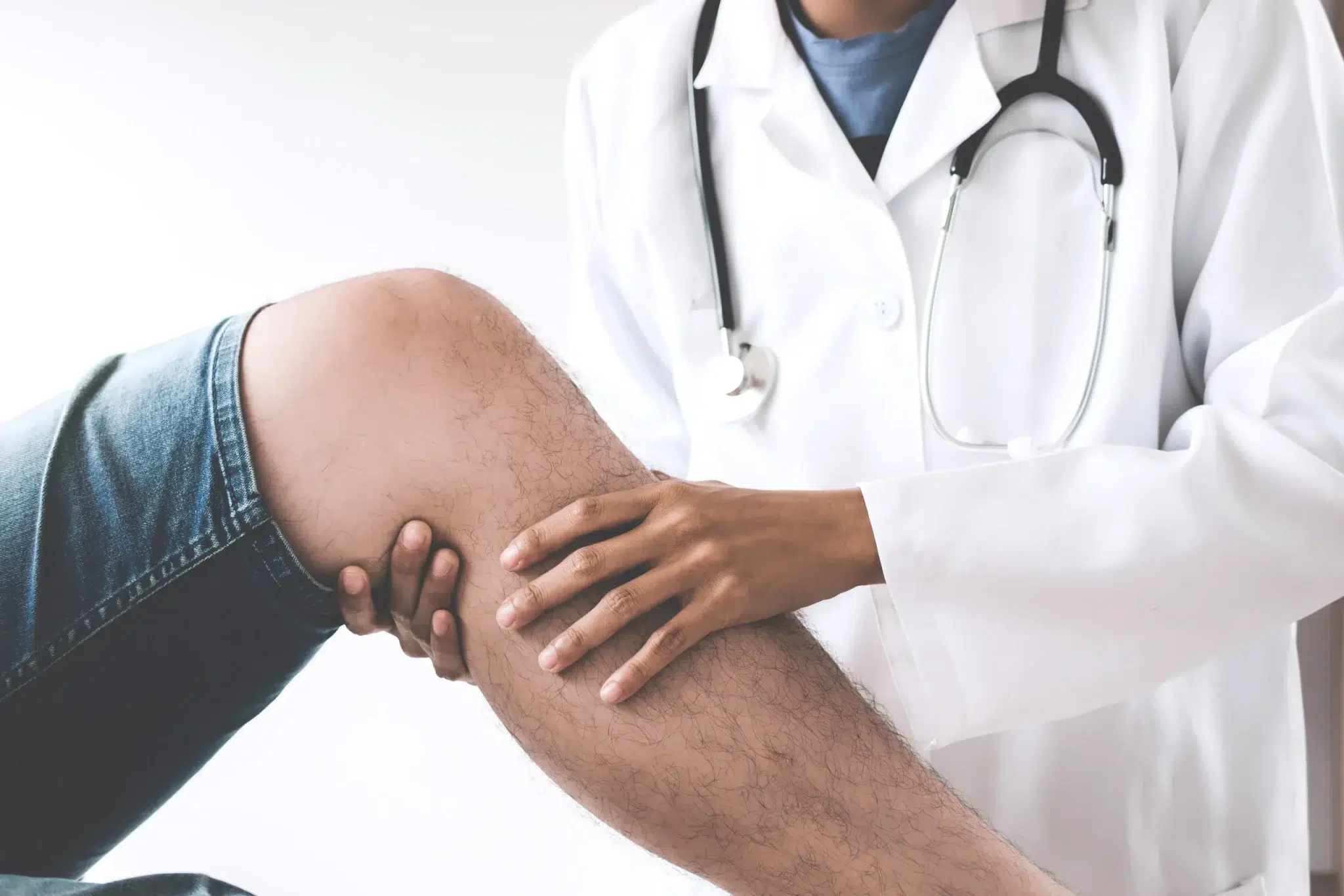
Every child receives an evaluation based on their symptoms, medical history, and physical examination.
A pediatric orthopedic Naga assessment may include:
Medical History
Parents may be asked about:
- Previous injuries
- Birth history
- Family medical history
- Sports participation
- Pain location
- Duration of symptoms
Physical Examination
The orthopedic examination evaluates:
- Walking pattern
- Joint movement
- Muscle strength
- Limb alignment
- Tenderness
- Swelling
- Joint stability
Imaging Studies
Diagnostic imaging helps confirm many orthopedic conditions.
Depending on the child’s needs, imaging may include:
- X-rays
- MRI
- Ultrasound
- CT scan for selected injuries
Results from these examinations guide treatment recommendations.
Treatment Options
Every child deserves a treatment plan based on their specific condition rather than a one-size-fits-all approach.
Non-Surgical Care
Many children improve without surgery.
Treatment may include:
- Activity modification
- Observation
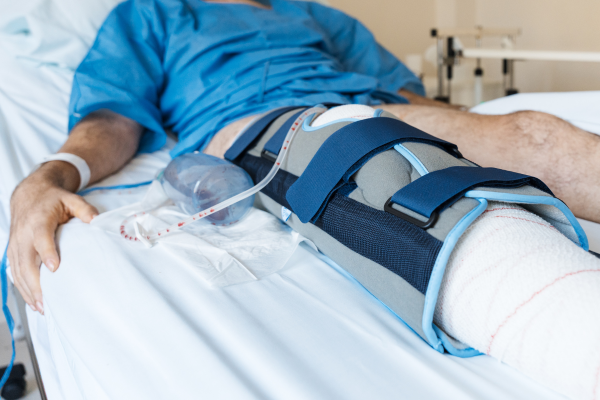
- Bracing
- Casting
- Splints
- Physical therapy
- Pain management
- Follow-up monitoring
Children often respond well to conservative treatment, especially when problems are identified early.
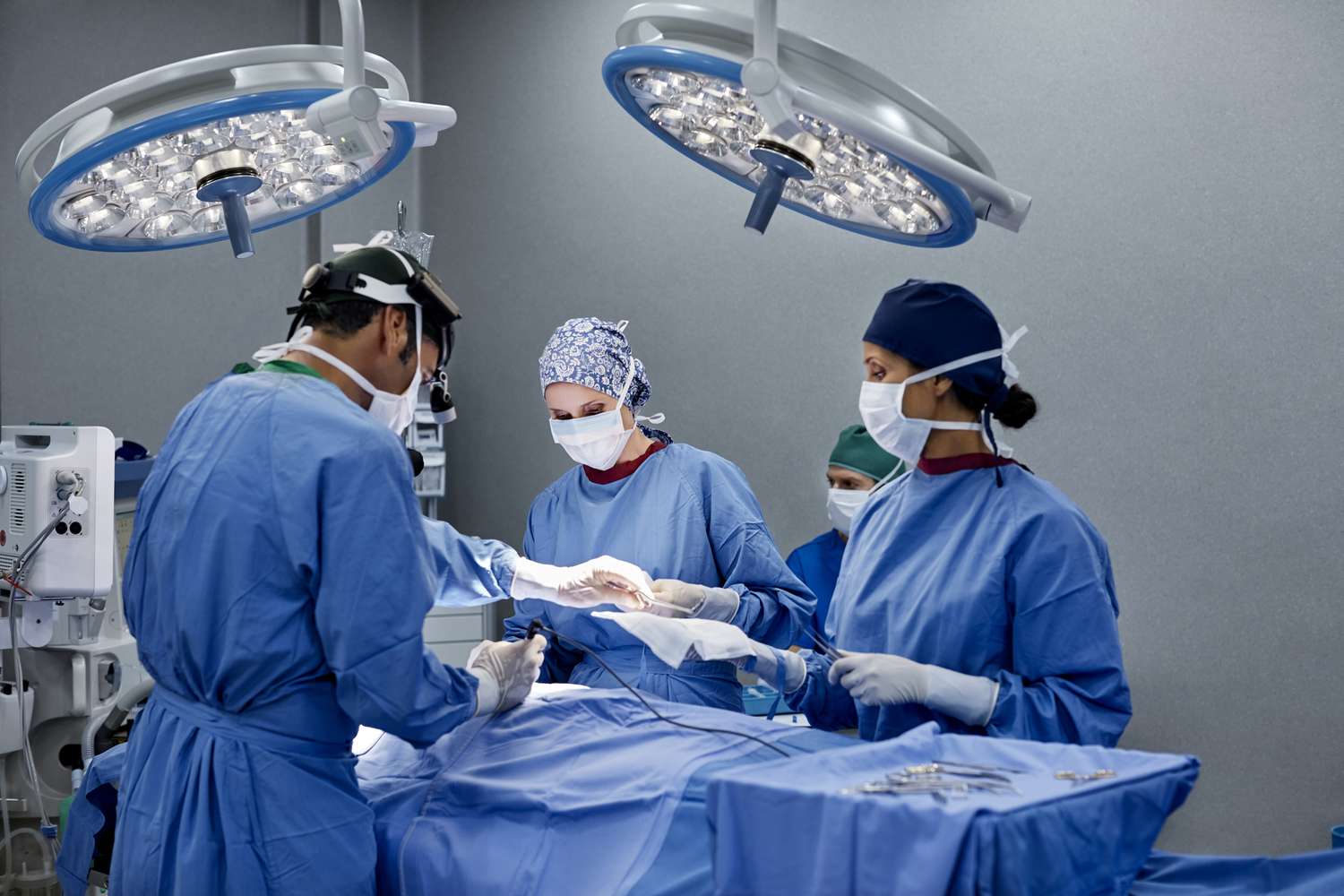
Surgical Treatment
Certain conditions benefit from surgery, particularly when conservative treatment does not provide sufficient improvement.
Possible procedures include:
- Fracture repair
- Arthroscopic surgery
- Ligament reconstruction
- Tendon repair
- Corrective procedures for selected bone or joint conditions
Modern orthopedic surgery often allows smaller incisions and supports recovery while protecting normal joint function whenever possible.
Tips for Keeping Children’s Bones Healthy
Healthy bones begin with healthy habits. Parents play an important role by encouraging routines that support proper growth and reduce injury risk.
Simple ways to protect growing bones include:
- Encourage regular physical activity.
- Provide foods rich in calcium.
- Make sure children receive adequate vitamin D.
- Encourage healthy body weight.
- Use protective equipment during sports.
- Teach proper warm-up and stretching before exercise.
- Allow enough rest between intense training sessions.
- Schedule medical evaluation after significant injuries.
Children who stay active while following safe training practices often enjoy lifelong benefits for their bones and joints.
Why Families Around Naga Choose LAO Orthopedic Services
Families looking for pediatric orthopedic Naga care want an orthopedic surgeon who combines experience, advanced training, and patient-centered treatment.
Dr. Lawrence Lao has more than 16 years of medical experience and completed specialty training in Orthopedic Traumatology at East Avenue Medical Center. He also completed advanced fellowship training in Hip and Knee Reconstruction at Chang Gung University in Taiwan and Sports Surgery and Arthroscopy at Thammasat University in Thailand.
LAO Orthopedic Services provides evaluation and treatment for many orthopedic conditions affecting children, teenagers, and adults. Services include orthopedic trauma care, sports surgery, arthroscopy, hip reconstruction, knee reconstruction, shoulder surgery, and treatment for musculoskeletal injuries.
Patients travel from Naga, Camarines Sur, Legazpi, and nearby areas across the Bicol Region to receive orthopedic care focused on improving mobility, relieving pain, and supporting recovery.
Takeaway
Choosing timely pediatric orthopedic Naga care helps protect your child’s growing bones and joints. Whether your child has sustained a sports injury, suffered a fracture, developed persistent joint pain, or started limping without a clear reason, early medical assessment allows appropriate treatment before problems become more serious.
At LAO Orthopedic Services, Dr. Lawrence Lao combines years of orthopedic experience with advanced fellowship training to provide comprehensive care for children, teenagers, and adults. Every patient receives an individualized treatment plan designed to support recovery, restore mobility, and help them safely return to everyday activities.
If your child continues to experience bone, joint, or muscle concerns, scheduling an orthopedic consultation can provide answers, guide treatment, and support healthy growth for the years ahead.
Frequently Asked Questions
What conditions does a pediatric orthopedic specialist treat?
A pediatric orthopedic specialist evaluates bone, muscle, joint, tendon, and ligament conditions affecting children. These may include fractures, sports injuries, flat feet, knock knees, bow legs, hip conditions, growth plate injuries, and joint pain.
When should I schedule a pediatric orthopedic Naga consultation?
Parents should seek evaluation if a child experiences persistent pain, limping, swelling, limited movement, repeated falls, bone deformities, or injuries that do not improve with rest.
Can children tear their ACL?
Yes. Teenagers and older children who participate in sports involving jumping, pivoting, or sudden direction changes may experience ACL injuries. Prompt orthopedic evaluation helps determine the most appropriate treatment.
Will every child with flat feet need treatment?
No. Many children have flexible flat feet that do not cause pain or affect normal activities. Treatment is generally recommended only when symptoms interfere with walking, sports, or daily life.
Do all pediatric fractures require surgery?
No. Many fractures heal successfully with casting or splinting. Surgery is usually considered for complex fractures, unstable injuries, or cases involving significant bone displacement.
Why are growth plate injuries important?
Growth plates are responsible for bone development during childhood. Proper diagnosis and treatment help reduce the chance of future growth problems.