Wound Care in the Philippines plays an important role for people who experience cuts, abrasions, lacerations, and traumatic injuries caused by accidents, falls, sports activities, workplace incidents, and everyday household situations. Proper treatment helps protect the body from harmful bacteria, supports tissue repair, reduces the chance of complications, and promotes better healing outcomes.
The skin acts as the body’s first protective layer. When an injury breaks this barrier, timely medical attention may be needed to clean the affected area, remove contaminants, control bleeding, and determine the most suitable treatment approach. While some minor wounds may improve with basic home care, deeper or more complex injuries require evaluation from trained medical professionals.
The Specialist Surgery & Cancer Center (TSSCC) provides professional Wound Care in the Philippines through expert assessment, wound repair services, and outpatient treatment options. Patients from Quezon City, Metro Manila, and nearby provinces seek TSSCC for safe wound management focused on comfort, recovery, and prevention of complications.
Understanding Different Types of Wounds
Wound Care in the Philippines covers treatment for different types of skin injuries, ranging from minor surface damage to wounds that require medical repair. Understanding the type of wound can help patients recognize when professional care may be necessary.
Superficial Wounds
Superficial wounds affect the outer layers of the skin. Common examples include:
- Minor cuts
- Scratches
- Abrasions caused by falls or friction
- Small skin tears
Although these wounds may appear minor, proper cleaning and care remain important. Dirt, bacteria, or foreign materials can enter damaged skin and increase the chance of infection.
Lacerations
Lacerations are cuts that may have irregular edges and can vary from shallow injuries to deeper wounds affecting several layers of tissue. Some lacerations may require sutures or other methods of closure to support proper healing and reduce scarring.
Traumatic Injuries
Traumatic wounds often happen suddenly due to accidents or impact. Examples include:
- Road accident injuries
- Sports-related wounds
- Workplace injuries
- Injuries caused by sharp objects
- Household accidents
Wound Care in the Philippines helps patients receive timely assessment after trauma to determine whether cleaning, repair, dressing changes, or additional medical attention are needed.
Surgical Wounds
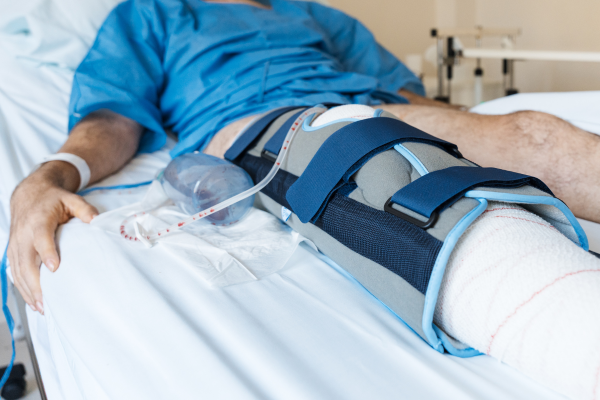
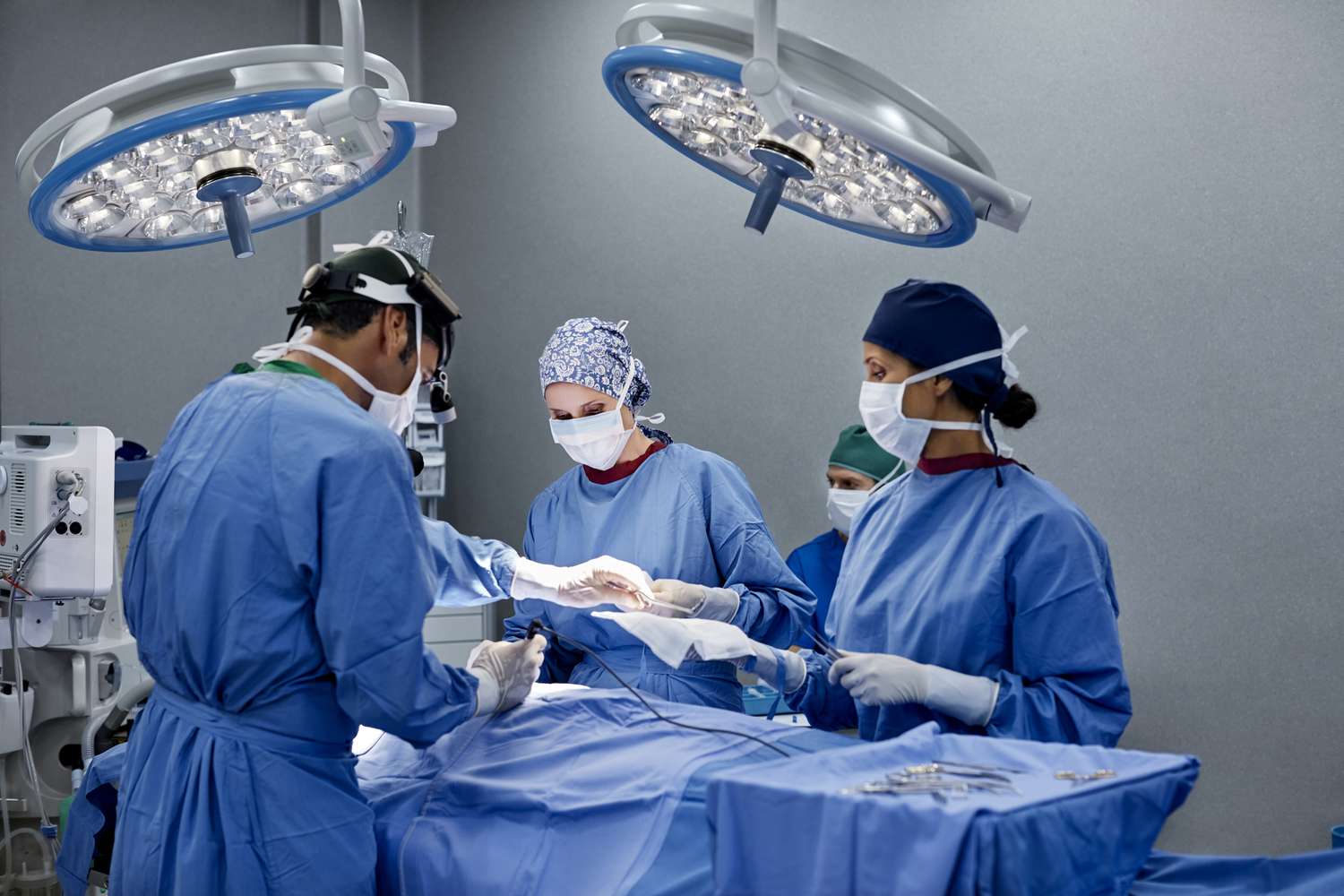
Patients who undergo surgical procedures may require proper wound monitoring after treatment. Surgical wound care helps maintain cleanliness, supports recovery, and allows doctors to identify possible concerns during healing.
Why Proper Wound Care Is Important
Wound Care in the Philippines focuses not only on closing or covering an injury but also on supporting safe recovery. Proper wound management offers several benefits for patients.
Helps Prevent Infection
Open wounds can allow bacteria to enter the body. Medical wound cleaning removes dirt, debris, and harmful materials that may delay healing. Doctors may also provide guidance regarding dressing changes, wound protection, and warning signs that require follow-up care.
Supports Faster Healing
A properly managed wound has better conditions for tissue repair. Appropriate cleaning methods, wound protection, and suitable dressings help create an environment that supports recovery.
Helps Reduce Scarring
The way a wound is treated can affect its final appearance. Proper wound closure, when needed, and careful follow-up may help reduce unnecessary scarring. Early assessment allows doctors to choose treatment options suited to the injury.
Reduces the Chance of Complications
Untreated or poorly managed wounds may develop problems such as infection, delayed healing, or worsening tissue damage. Professional Wound Care in the Philippines allows patients to receive guidance based on their specific injury.
Signs a Wound Needs Medical Attention
Knowing when to seek professional Wound Care in the Philippines can help prevent small injuries from becoming more serious concerns. Medical evaluation may be needed when a wound has the following characteristics:
Heavy or Persistent Bleeding
A wound that continues bleeding despite applying direct pressure may require professional attention. Doctors can assess the injury and provide appropriate treatment to control bleeding.
Deep or Open Cuts
Deep cuts, wide openings, or wounds where tissue layers are visible may require closure through sutures or other medical techniques.
Foreign Materials Inside the Wound
Glass, dirt, metal fragments, or other debris trapped inside an injury should be removed properly to reduce infection risks and support healing.
Signs of Infection
Patients should seek medical advice when they notice:
- Increasing redness around the wound
- Swelling
- Warmth around the affected area
- Pus or unusual discharge
- Increasing pain
- Fever or feeling unwell
Higher Risk Patients
Some individuals may require closer wound monitoring, including people with:
- Diabetes
- Circulation concerns
- Conditions affecting immune response
- Older adults with slower healing ability
Wound Care in the Philippines provides valuable support for these patients because early assessment can help identify possible healing concerns.
What to Expect During Professional Wound Care
Many patients feel uncertain about what happens during a wound care appointment. At TSSCC, Wound Care in the Philippines follows a patient-focused approach designed to provide safe and efficient treatment.
Medical Assessment
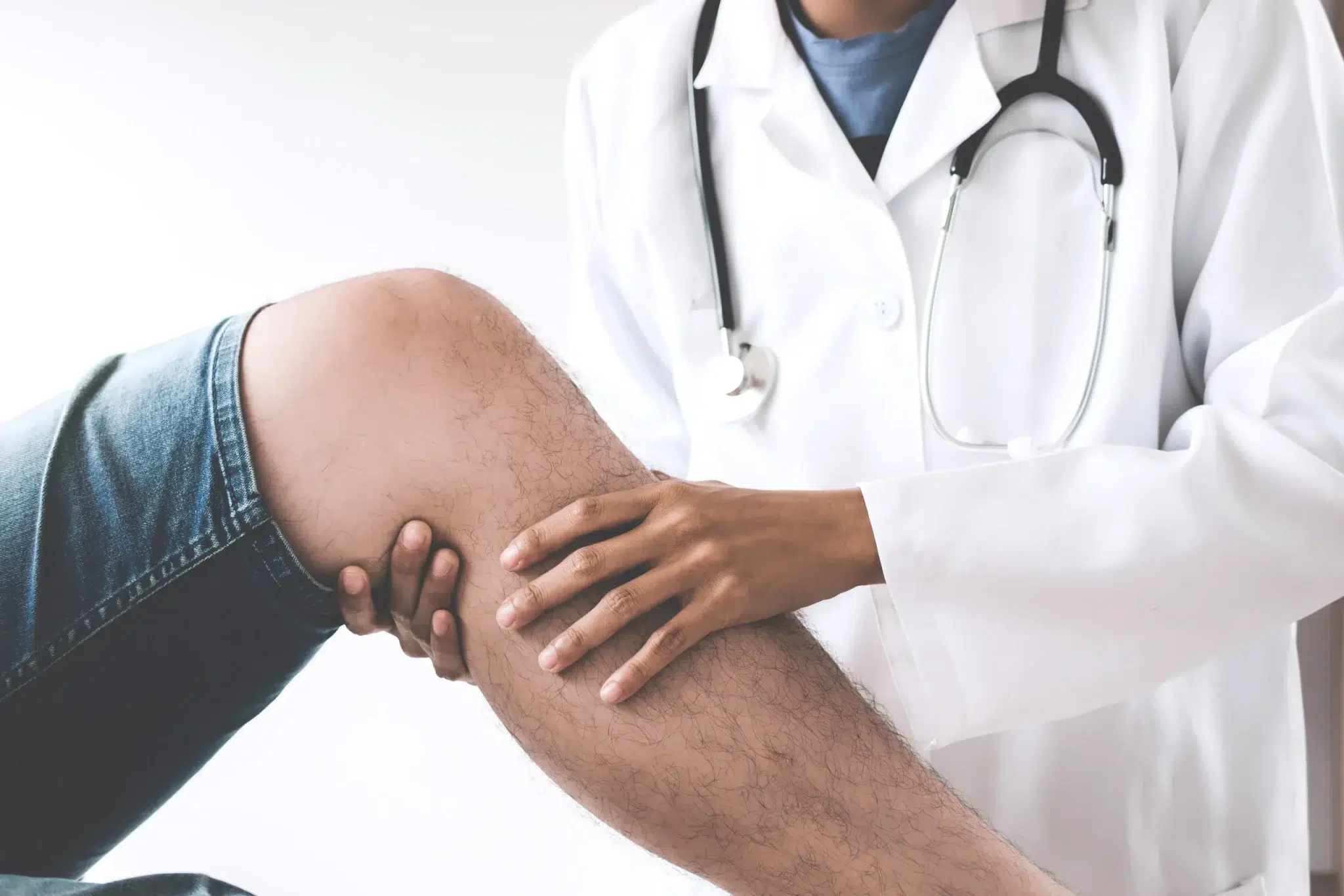
A doctor examines the wound to determine its depth, location, severity, and possible risks. This assessment helps create a suitable treatment plan.
Wound Cleaning
Cleaning removes dirt, bacteria, and unwanted materials from the injured area. This step is important for preparing the wound for healing.
Removal of Debris
If foreign material is present, doctors may carefully remove it using appropriate medical techniques.
Wound Closure When Needed
Some wounds require closure to bring the skin edges together. Depending on the injury, treatment may involve sutures or other closure methods.
Dressing Application
Proper dressings help protect the wound while supporting recovery. Doctors may recommend dressing schedules and care instructions based on the wound condition.
Follow-Up Guidance
Patients receive instructions about wound monitoring, activity limitations, dressing care, and signs that may require another consultation.
Caring for a Wound at Home
Professional Wound Care in the Philippines may continue beyond the clinic visit. Following medical advice at home supports proper healing and lowers the chance of complications.
Patients should:
- Keep the wound clean and protected
- Change dressings according to medical instructions
- Avoid touching the wound with unclean hands
- Monitor changes such as swelling, redness, or drainage
- Attend follow-up appointments when recommended
Avoid applying unverified substances or home remedies that may irritate the wound or delay recovery. Proper guidance from a healthcare professional remains the safest approach.
Common Mistakes That May Delay Wound Healing
Many wound problems happen because injuries are not treated properly from the beginning. Wound Care in the Philippines encourages patients to avoid common mistakes such as:
Ignoring Serious Wounds
Some injuries may look small but require professional evaluation because of their location, depth, or contamination risk.
Waiting Too Long Before Seeking Care
Delaying treatment may allow bacteria to multiply and increase the chance of infection.
Removing Dressings Too Early
Dressings help protect healing tissue. Removing them without medical advice may expose the wound to contamination.
Using Unsafe Home Treatments
Some home treatments may cause irritation or interfere with natural healing. Medical recommendations provide safer options based on the wound condition.
Benefits of Outpatient Wound Care
Wound Care in the Philippines has become an important option for patients who need timely treatment without unnecessary hospital admission. Outpatient wound services provide several advantages.
Convenient Medical Attention
Patients can receive wound assessment and treatment through a dedicated clinical setting designed for comfort and efficiency.
Faster Access to Treatment
Prompt evaluation allows doctors to address injuries sooner, especially after accidents or sudden trauma.
Personalized Treatment Plans
Every wound is different. Doctors consider the injury type, patient health factors, and healing needs when recommending care.
Comfortable Recovery Experience
Outpatient wound care allows patients to receive professional support while returning home after treatment when appropriate.
Why Patients Choose The Specialist Surgery & Cancer Center (TSSCC) for Wound Care in the Philippines
The Specialist Surgery & Cancer Center (TSSCC) provides trusted Wound Care in the Philippines for patients seeking professional treatment for superficial wounds, traumatic injuries, and other wound-related concerns.
Patients choose TSSCC because of:
- Experienced doctors providing wound evaluation and treatment
- A comfortable outpatient clinic setting
- Focus on infection prevention and safe wound management
- Timely care for cuts, lacerations, and traumatic injuries
- Treatment plans based on individual patient needs
Located at Quezon City, Metro Manila, TSSCC supports patients who need reliable Wound Care in the Philippines without unnecessary delays. The center focuses on delivering quality medical services while helping patients achieve safe recovery and better wound healing outcomes.
Takeaway
Wound Care in the Philippines helps patients receive proper treatment for injuries ranging from minor cuts to traumatic wounds that require professional attention. Early assessment, proper cleaning, suitable wound closure, and careful follow-up all contribute to healthier healing.
The Specialist Surgery & Cancer Center (TSSCC) provides expert Wound Care in the Philippines through outpatient services designed around patient safety, comfort, and recovery. People experiencing cuts, lacerations, abrasions, or traumatic injuries can seek professional evaluation to receive appropriate care and support their healing journey.
Frequently Asked Questions About Wound Care in the Philippines
When should I visit a doctor for a wound?
You should seek professional Wound Care in the Philippines if a wound is deep, continues bleeding, contains foreign material, shows signs of infection, or does not appear to be healing properly.
Do all wounds require stitches?
No. Some wounds heal with proper cleaning and dressing alone. A doctor will evaluate the injury and determine whether stitches or another closure method may be needed.
How long does wound healing take?
Healing time depends on factors such as wound size, depth, location, and the patient’s overall health condition. Proper wound management can support a smoother recovery.
Can people with diabetes receive wound care?
Yes. People with diabetes can benefit from professional Wound Care in the Philippines because some wounds may take longer to heal and require closer monitoring.
Is outpatient wound care safe?
Outpatient wound care can be a safe option for many injuries when treatment is provided by qualified medical professionals and appropriate follow-up care is maintained.
How can I reduce the chance of wound infection?
Keeping the wound clean, following dressing instructions, and seeking medical advice when warning signs appear can help reduce infection risks.