Persistent joint pain can affect walking, sleep, work, exercise, and simple daily tasks. Stiffness or swelling may also make movement feel difficult, especially when rest, medication, or therapy provides only partial relief. A Steroid injection may offer temporary symptom control for selected orthopedic conditions, but proper assessment must come first.
TEC Orthopedics focuses on practical care that supports pain reduction, mobility, and daily function. Dr. Tec carefully reviews each patient’s symptoms, medical history, activity needs, and treatment goals before recommending a Steroid injection. This approach helps patients understand why the procedure may help, what results may be realistic, and what other care options may be considered.
A Steroid injection does not suit every condition. Some injuries require rehabilitation, medication, bracing, surgery, or another type of treatment. Careful diagnosis allows the doctor and patient to choose a plan based on the actual source of pain rather than symptoms alone.
What Is a Steroid Injection?
A Steroid injection places corticosteroid medication near a painful joint, tendon sheath, bursa, or other irritated structure. Corticosteroids are medicines that reduce local swelling and inflammatory activity. They are different from anabolic steroids linked with muscle growth.
A Steroid injection may also contain a local anesthetic. The anesthetic can provide short-term numbness soon after the procedure, while the corticosteroid may take more time to affect pain and swelling. The length and level of relief can vary from one person to another.
Common treatment areas include the knee, shoulder, elbow, wrist, hand, hip, ankle, and foot. The doctor selects the medication, dose, and injection site based on the diagnosis, affected structure, health history, and previous treatment response.
A Steroid injection may help control symptoms, yet it does not repair every damaged tissue. Arthritis, tendon tears, fractures, severe cartilage loss, nerve compression, or joint instability may require a broader care plan.
How Does a Steroid Injection Work?
Painful orthopedic conditions often involve irritated tissues, swelling, or excessive inflammatory activity. These changes may cause pain, tenderness, stiffness, and restricted movement. A Steroid injection delivers medication close to the affected area, which may reduce local irritation and make movement more comfortable.
Relief may support better participation during physical therapy or prescribed exercise. For example, a patient with shoulder pain may find it easier to complete mobility work after symptoms decrease. A patient with knee arthritis may walk more comfortably while following a strength and activity plan.
Results depend on many factors. Diagnosis, symptom duration, tissue condition, activity level, age, medical history, and rehabilitation all affect treatment response. Some patients notice meaningful relief, while others receive limited benefit.
TEC Orthopedics explains that a Steroid injection should often form one part of a wider treatment plan. The plan may also include activity changes, physical therapy, home exercises, weight management, bracing, or other medical care.
Conditions That May Benefit From a Steroid Injection
A Steroid injection may be considered for several joint and soft tissue conditions. Treatment choice must always follow an orthopedic assessment.
Arthritis is one common reason for this procedure. Knee, shoulder, hip, hand, or ankle arthritis may cause pain, stiffness, swelling, and reduced movement. A Steroid injection may reduce symptoms for a limited period, which can help some patients stay active or participate more comfortably during rehabilitation.
Bursitis may also respond to a Steroid injection. A bursa is a small fluid-filled sac that reduces friction near a joint. When irritated, it may cause tenderness and pain around the shoulder, hip, elbow, or knee.
Some tendon sheath conditions may qualify for treatment. Trigger finger, for example, can cause catching, locking, tenderness, or difficulty straightening a finger. A carefully placed Steroid injection may reduce swelling around the tendon sheath for selected patients.
Other possible uses include carpal tunnel syndrome, frozen shoulder, tennis elbow, and selected foot or ankle problems. Not every case should receive the same procedure. A full evaluation helps rule out infection, fracture, major tendon damage, nerve injury, or another condition that needs different care.
Signs That You May Need an Orthopedic Assessment
Occasional soreness may improve through rest or basic home care. Persistent symptoms deserve proper evaluation, especially when they affect daily life.
You may benefit from an orthopedic consultation when joint pain disrupts sleep, work, walking, lifting, sports, or household tasks. Swelling, stiffness, reduced range of motion, weakness, locking, numbness, or instability also require attention.
A Steroid injection may be discussed when basic care has not provided enough relief. However, the procedure should not replace diagnosis. Similar symptoms can come from very different problems. Knee pain may result from arthritis, a meniscus tear, ligament damage, fracture, or referred pain. Shoulder pain may come from bursitis, arthritis, frozen shoulder, tendon damage, or neck-related nerve irritation.
Dr. Tec reviews the full picture before suggesting a Steroid injection. This supports safer treatment selection and clearer expectations.
How TEC Orthopedics Evaluates Patients Before Treatment
Assessment starts with a detailed discussion. Dr. Tec asks about the location, severity, pattern, and duration of pain. He may also ask what activities make symptoms worse, what treatments have already been tried, and how the condition affects daily function.
Medical history matters before any Steroid injection. Patients should report diabetes, medication allergies, bleeding problems, current infections, recent surgery, blood-thinning medicine, or previous reactions to injections. Prior Steroid injection treatment should also be discussed, especially when it involved the same joint or soft tissue area.
A physical examination may check tenderness, swelling, movement, strength, stability, nerve function, and pain during specific motions. Imaging tests such as X-rays, ultrasound, or MRI may be requested when needed. Laboratory tests may also be considered when infection or another medical issue remains possible.
After assessment, Dr. Tec explains the diagnosis, treatment choices, expected benefits, possible risks, and recovery guidance. Patients can ask questions and take part during treatment planning. This open discussion reflects the clinic’s focus on honest communication and individual goals.
What Happens During a Steroid Injection Procedure?
A Steroid injection usually takes place during an outpatient clinic visit. The exact steps may change based on the treatment area.
First, the patient is positioned so the affected joint or soft tissue area can be reached safely. The skin is cleaned, and the injection site is confirmed. Dr. Tec may use anatomical landmarks or imaging support, depending on the structure and condition.
The needle is then guided toward the target area. Patients may feel a brief sting, pressure, or temporary discomfort. The medication is delivered slowly. Some injections contain both corticosteroid medicine and a local anesthetic.
After the Steroid injection, the site may be covered with a small dressing. The patient receives aftercare guidance, activity advice, and warning signs that require medical attention. A brief movement check may also be completed when appropriate.
Procedure time is often short, but the full visit also includes preparation, assessment, discussion, and post-treatment guidance.
Ultrasound-Guided Steroid Injection
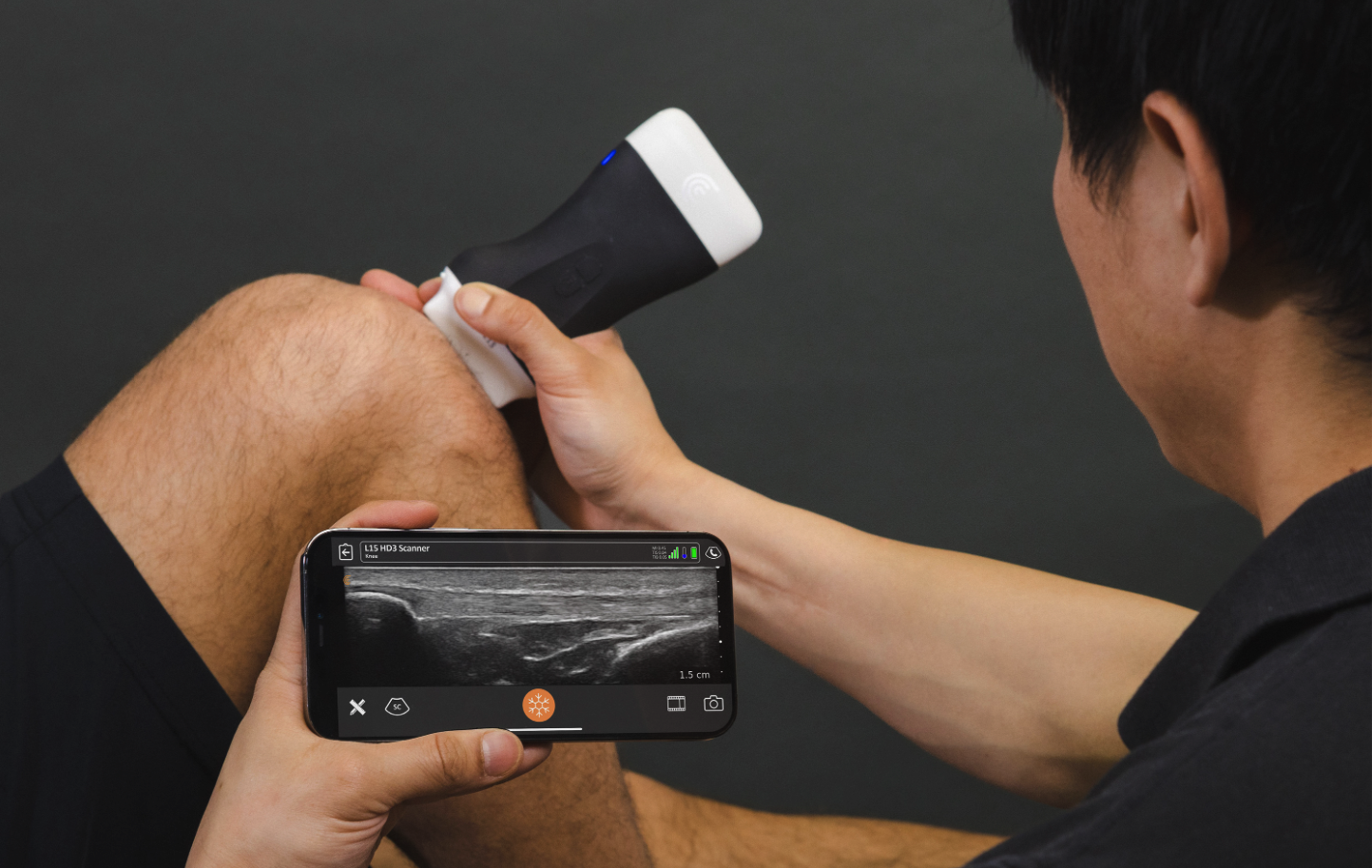
Some joints and soft tissue structures sit close to nerves, blood vessels, tendons, or other important anatomy. Ultrasound guidance gives the doctor a live view of the target area and needle position.
An ultrasound-guided Steroid injection may help confirm placement for selected conditions. This can be useful for smaller spaces, deeper structures, or areas where precise medication delivery matters.
Not every Steroid injection requires ultrasound. The doctor decides whether guidance is useful based on the diagnosis, body area, anatomy, previous treatment, and clinical judgment.
Patients may ask whether ultrasound guidance applies to their case. Dr. Tec can explain the reason for the chosen technique and what to expect during the visit.
Potential Benefits of a Steroid Injection
The main goal of a Steroid injection is symptom relief. Reduced pain and swelling may make daily movement easier. Some patients may notice better joint motion, improved sleep, or greater comfort during work and exercise.
A Steroid injection may also support rehabilitation. Pain can make it difficult to complete strengthening, flexibility, or mobility exercises. Temporary relief may create a useful period for prescribed therapy.
For selected patients, the procedure may delay the need for more invasive treatment. This does not mean surgery will never be required. Rather, symptom control may give the patient time to continue conservative care or prepare for another treatment option.
A Steroid injection can also provide diagnostic clues. When pain improves after medication reaches a specific structure, the response may help the doctor confirm the likely pain source. Clinical findings and test results still remain important.
No result can be guaranteed. TEC Orthopedics sets realistic expectations and monitors progress after treatment.
How Soon Does a Steroid Injection Work?
Some patients feel temporary relief soon after a Steroid injection because of the local anesthetic. That early numbness may fade after several hours. The corticosteroid effect may start later, often after several hours or days.
A temporary pain flare can happen after treatment. The area may feel sore or more sensitive before improvement begins. Patients should follow the aftercare advice given by Dr. Tec and avoid testing the joint too aggressively.
Relief duration varies. Some patients feel better for weeks or months, while others notice a shorter response. Results depend on the diagnosis, tissue condition, activity level, and previous treatment history.
Tracking pain, swelling, movement, sleep, and daily activity can help measure response. Follow-up may be advised when symptoms do not improve, return quickly, or become worse.
Steroid Injection Risks and Side Effects
A Steroid injection is commonly performed, yet every medical procedure has possible risks. Patients should understand both common reactions and less common complications.
Temporary soreness, bruising, swelling, or a short pain flare may occur near the injection site. Some people experience facial flushing. These effects often settle after a brief period.
People with diabetes may notice temporary blood sugar changes after a Steroid injection. Blood sugar monitoring may need extra attention, based on advice from the patient’s doctor.
Less common risks include infection, skin thinning, skin color changes, nerve irritation, tendon weakening, tendon rupture, cartilage effects, or bleeding. Risk can vary according to the injection site, medication dose, treatment frequency, and patient health.
Warning signs after a Steroid injection include fever, spreading redness, increasing warmth, severe swelling, drainage, worsening pain, new weakness, breathing trouble, or an allergic reaction. Prompt medical care is necessary when such symptoms appear.
Who May Not Be a Good Candidate?
A Steroid injection may not be suitable for a person with an active infection, suspected joint infection, uncontrolled blood sugar, certain bleeding concerns, or an allergy to any injection component.
Treatment may also be delayed when the skin near the planned site has a wound, rash, or infection. Patients taking blood-thinning medication require careful review before the procedure.
A Steroid injection may offer little value when pain comes from a fracture, major tendon rupture, severe instability, advanced structural damage, or another condition that needs surgical care. Repeated injections around the same area also require caution because tissue risks may rise.
Dr. Tec considers health history, examination findings, imaging results, prior response, and treatment goals before making a recommendation.
How to Prepare for a Steroid Injection
Patients should bring a current medication list and report allergies, medical conditions, and previous injection reactions. Diabetes, bleeding disorders, blood pressure concerns, active infection, fever, or recent surgery should be mentioned.
Wear comfortable clothing that gives easy access to the treatment area. Ask whether driving, work, sports, or heavy lifting should be limited after the procedure.
Patients should not stop prescribed medication without medical advice. The doctor may provide specific guidance for blood thinners, diabetes medicine, or other treatments.
Useful questions include how the Steroid injection may help, when relief may begin, what side effects need attention, and when normal activity may resume.
Steroid Injection Aftercare
After a Steroid injection, protect the treated area for the period recommended by Dr. Tec. Heavy exercise, lifting, or demanding activity may need to be avoided for a short time.
Keep the injection site clean. A cold pack may help with soreness when approved by the doctor. Use only pain medicine that has been recommended or confirmed as safe for you.
Do not assume early numbness means the joint is ready for strenuous use. Local anesthetic can temporarily reduce pain before the corticosteroid has taken effect. Too much activity may aggravate the area.
Return to work, exercise, sports, or therapy should follow medical guidance. Gradual movement may be advised, depending on the condition and treatment site.
Contact TEC Orthopedics or seek urgent care when pain becomes severe, redness spreads, fever develops, swelling increases, drainage appears, or new nerve symptoms occur.
Steroid Injection and Physical Rehabilitation
A Steroid injection may reduce symptoms, but long-term function often depends on what happens afterward. Rehabilitation can address weakness, poor movement patterns, stiffness, reduced flexibility, or repeated stress around the painful area.
Dr. Tec may work with physical therapists to create a plan based on the patient’s condition and goals. The program may include range-of-motion work, strength exercises, posture correction, activity changes, and gradual return to sport or work.
Pain relief can make rehabilitation more manageable, but it should not lead to rushed activity. A structured plan helps patients use the period of relief wisely.
TEC Orthopedics focuses on restoring mobility and independence rather than treating pain as an isolated complaint. A Steroid injection may support that goal when used for the right patient, at the right time, and with proper follow-up.
Steroid Injection Compared With Other Treatments
A Steroid injection is only one option for orthopedic pain. Oral medication may help with symptoms across the body, while an injection targets a specific area. Medication choice depends on health history, diagnosis, and expected benefit.
Physical therapy focuses on movement, strength, flexibility, and function. It may be used before or after a Steroid injection. Many patients receive better support when symptom control and rehabilitation work together.
Hyaluronic acid injection may be considered for selected arthritic joints. It works differently from a Steroid injection and has different indications, costs, and expected results.
Platelet-rich plasma treatment uses a patient’s own blood components. Evidence, suitability, and cost vary based on the condition.
Surgery may become necessary when major structural damage, advanced arthritis, fracture, tendon rupture, or instability cannot be managed through non-surgical care. Dr. Tec discusses these choices clearly so patients understand the purpose of each option.
Why Choose TEC Orthopedics for Steroid Injection Care?
TEC Orthopedics provides orthopedic care centered on careful diagnosis, patient goals, and practical recovery planning. Dr. Tec takes time to listen, assess symptoms, and explain available treatment choices.
Before a Steroid injection, patients receive a review of possible benefits, limits, risks, and aftercare. Treatment decisions are based on the diagnosis rather than a one-size-fits-all approach.
Modern diagnostic tools and evidence-based methods support accurate care. When rehabilitation is needed, Dr. Tec coordinates with physical therapists to help patients regain movement and function.
Compassion, quality, honesty, and collaboration guide each stage of care. Patients are encouraged to ask questions and take an active role during decision-making.
A Steroid injection may be a helpful step for joint pain or soft tissue irritation, but success depends on proper patient selection, realistic expectations, and a complete recovery plan.
Frequently Asked Questions About Steroid Injection
Is a Steroid injection painful?
Most patients feel a brief sting, pressure, or temporary discomfort. Sensation depends on the body area, medication, technique, and personal sensitivity.
How long does a Steroid injection take?
The injection itself may take only a few minutes. Assessment, preparation, discussion, and aftercare guidance make the full appointment longer.
How long does relief last?
Relief varies widely. Some patients experience improvement for weeks or months, while others receive a shorter benefit. Diagnosis, tissue condition, and activity level affect the result.
Can a Steroid injection cure arthritis?
A Steroid injection may reduce arthritis pain and swelling, but it does not restore lost cartilage or remove the underlying cause of arthritis.
Can a person with diabetes receive a Steroid injection?
Some people with diabetes may receive treatment after medical review. Corticosteroids can cause temporary blood sugar changes, so monitoring may need adjustment.
How many Steroid injection treatments can a patient receive?
No single number applies to everyone. Dr. Tec considers the treatment area, diagnosis, previous response, medication dose, health history, and tissue risks before recommending another procedure.
Can I exercise after a Steroid injection?
A short period of reduced activity may be advised. Return to exercise should follow guidance from the treating orthopedic doctor.
What happens when pain returns?
A new assessment may be needed. Returning pain does not always mean another Steroid injection is the best next step. Rehabilitation changes, new tests, another non-surgical treatment, or surgery may be considered.
Does every joint problem qualify for a Steroid injection?
No. Infection, fracture, major tendon damage, instability, severe structural problems, or certain health conditions may make another treatment more suitable.
When should I contact TEC Orthopedics after treatment?
Contact the clinic when pain becomes severe, redness or swelling increases, fever develops, drainage appears, or new weakness or numbness occurs.