
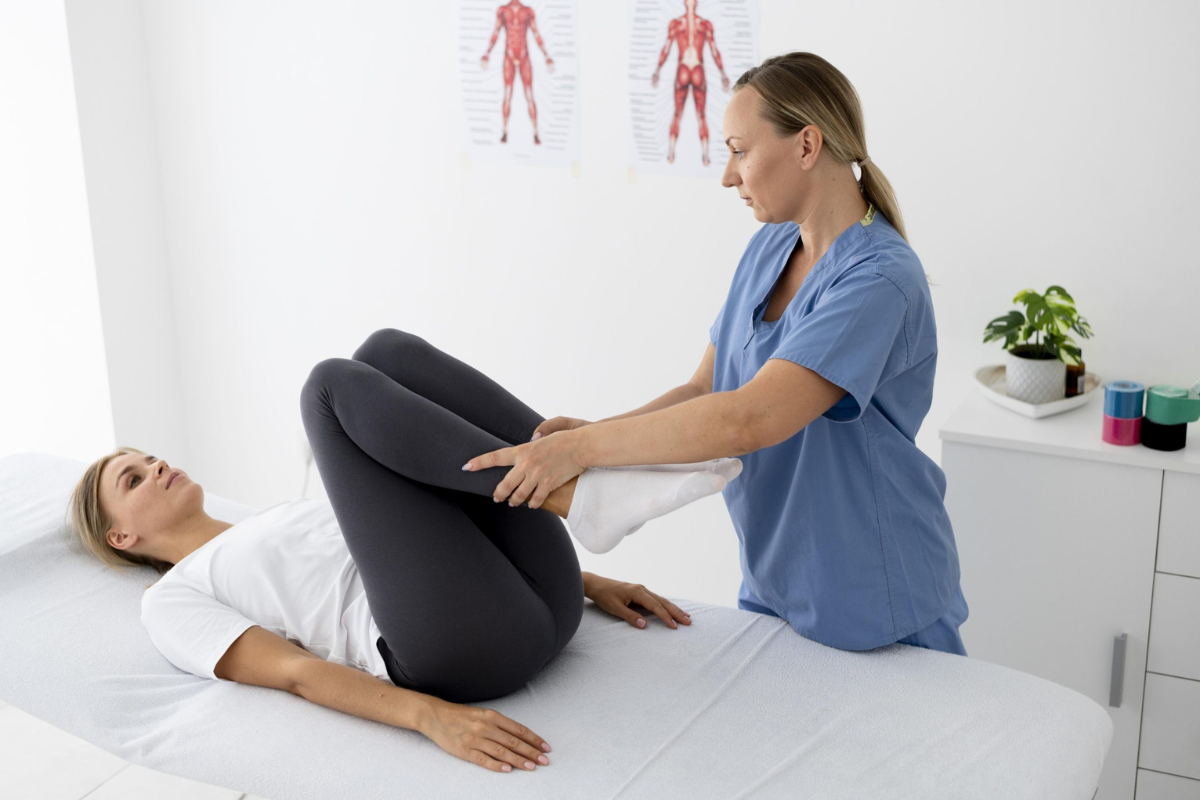
Pain or fear connected with vaginal penetration can affect medical visits, tampon use, sexual activity, relationships, and emotional well-being. Such symptoms may feel isolating, yet many people experience similar concerns and effective care options are available. Treatment for vaginismus often focuses on reducing automatic pelvic floor tightening, improving muscle control, easing fear connected with pain, and helping each person move forward at a comfortable pace.
Vaginismus is not a personal failure, a lack of effort, or something a person should simply “push through.” The pelvic floor may contract automatically when penetration is attempted or expected. That response can happen even when someone wants penetration and feels emotionally ready. A thoughtful treatment for vaginismus respects this automatic reaction and avoids pressure, shame, or forced progression.
Physical therapy may form one part of a broader care plan. Osteopractic Physical Therapy of Central Indiana, located near Fishers, Indiana, follows a natural healing and strengthening approach centered on careful assessment, goal-based care, and long-term physical wellness. Anyone seeking treatment for vaginismus should also confirm whether a therapist has specific pelvic health training and whether current clinic services match their needs.
What Is Vaginismus?
Vaginismus refers to involuntary tightening of muscles around the vaginal opening when penetration is attempted or anticipated. The tightening may make penetration painful, difficult, or impossible. Symptoms can occur during sexual activity, tampon placement, use of a vaginal dilator, or a pelvic examination.
Some people notice symptoms during their earliest attempts at penetration. Others develop symptoms after a period of comfortable penetration. Pain after childbirth, surgery, infection, hormonal changes, pelvic injury, or a distressing experience may contribute. Sometimes no single cause can be found.
A suitable treatment for vaginismus considers both physical and emotional factors. Muscle tension, pain sensitivity, fear, stress, prior experiences, beliefs about penetration, and other pelvic health concerns may all shape symptoms. Care works best when the person feels heard, respected, and fully involved with every decision.
Vaginismus may overlap with other conditions that cause pelvic or vulvar pain. Those concerns can include vulvodynia, vaginal dryness, infections, skin conditions, endometriosis, pelvic floor dysfunction, or pain after surgery. A medical assessment can help rule out concerns that require care from a gynecologist or another qualified professional.
Common Signs That May Point to Vaginismus
Symptoms vary from one person to another. Some people have mild discomfort, while others experience intense pain or complete difficulty with penetration. Common signs may include:
- Burning, pressure, stinging, or tightness during attempted penetration
- Difficulty placing a tampon
- Pain or fear related to pelvic examinations
- Automatic tightening around the vaginal opening
- Trouble relaxing pelvic floor muscles despite conscious effort
- Avoidance of intimacy because pain feels likely
- Pelvic tension that continues after attempted penetration
- Distress, frustration, or reduced confidence connected with symptoms
These signs do not confirm a diagnosis by themselves. A healthcare professional can review symptoms, health history, and possible contributing factors. Early support may help prevent the pain-fear-tension cycle from becoming more firmly established.
Why Pelvic Floor Muscles Matter
The pelvic floor is a group of muscles that supports the bladder, bowel, uterus, and nearby structures. These muscles also play a role during urination, bowel movements, sexual activity, breathing, and core control. Healthy pelvic floor function requires both contraction and release.
Some people assume every pelvic floor problem requires more strengthening. That approach may not suit vaginismus. Muscles that already remain tense may need relaxation, coordination, and gradual control before added strengthening becomes helpful.
Treatment for vaginismus may teach a person how to notice pelvic tension, release muscle guarding, coordinate breathing, and respond to body signals without panic. A therapist may also assess the hips, abdomen, lower back, posture, and breathing pattern because each area can affect pelvic movement and comfort.
What Can Contribute to Vaginismus?
No single explanation applies to every case. Several factors may occur together.
Pelvic Floor Overactivity
Pelvic floor muscles may contract too quickly, remain tense for long periods, or have trouble returning to a resting state. Such patterns can make penetration painful and may create a strong protective response.
Previous Painful Experiences
Pain during intercourse, a difficult pelvic examination, childbirth, surgery, infection, or injury may teach the nervous system to expect discomfort. Later attempts at penetration may trigger muscle tightening before pain even begins.
Fear and Anticipation
Expected pain can create anxiety. Anxiety may increase muscle tension, which may then cause more pain. This cycle can continue even after the original physical trigger has settled.
Hormonal or Medical Factors
Menopause, breastfeeding, certain medications, vaginal dryness, skin irritation, infection, pelvic surgery, and other health concerns may affect comfort. Medical care may be needed alongside physical therapy.
Emotional and Relationship Factors
Stress, trauma, relationship concerns, shame, or negative messages about sexual activity may affect symptoms. These factors do not mean the pain is imagined. Physical pain and emotional distress can affect one another, and both deserve respectful care.
How Physical Therapy May Support Treatment for Vaginismus
Physical therapy may help address muscle guarding, movement restrictions, breathing patterns, and poor pelvic floor coordination. The goal is not to force penetration. The goal is to help a person gain greater awareness and control while reducing pain and fear.
A therapist with pelvic health training may teach pelvic floor relaxation, diaphragmatic breathing, gentle mobility work, and gradual exposure methods. Manual therapy may also be considered when clinically appropriate and accepted by the patient. Any assessment or treatment involving the pelvic area should require clear consent.
Treatment for vaginismus should move at a pace chosen with the patient. A person may pause, ask questions, change a goal, or decline any method. Consent applies throughout every appointment, not only at the beginning.
Physical therapy may also support better hip movement, core coordination, lower-back mobility, and general body awareness. These areas can affect pelvic tension and may become part of a care plan after assessment.
What a Physical Therapy Assessment May Cover
A first visit usually begins with a private discussion. The therapist may ask about symptoms, triggers, health history, prior treatment, medical conditions, daily activities, and personal goals. Some questions may feel sensitive, so a respectful provider should explain why each question matters.
A movement assessment may review:
- Breathing mechanics
- Posture
- Hip mobility
- Lower-back movement
- Abdominal wall function
- Core coordination
- Pelvic muscle awareness
- Areas of tenderness or guarding
- Activities that increase or reduce symptoms
An internal pelvic examination is not automatically required for every person. Such an examination should happen only when clinically appropriate, offered by a properly trained provider, and accepted through clear consent. External assessment and education may still provide useful details.
Osteopractic Physical Therapy of Central Indiana emphasizes a detailed biomechanical assessment to identify factors connected with pain and movement problems. For someone seeking treatment for vaginismus, direct contact with OPTCI can confirm whether a therapist currently offers pelvic health assessment or whether referral to a pelvic floor specialist would be more suitable.
Physical Therapy Methods That May Be Part of Care
Treatment choices depend on symptoms, comfort, medical history, and provider training. A care plan may include several methods rather than one single technique.
Pelvic Floor Relaxation
Relaxation training may help a person recognize the difference between muscle tightening and release. This work may include body scanning, supported positions, gentle awareness drills, and cues for letting the pelvic floor rest.
Diaphragmatic Breathing
Slow breathing can support relaxation throughout the abdomen and pelvic floor. A therapist may teach coordinated breathing so the pelvic muscles can move more naturally rather than remain braced.
Gentle Mobility Work
Hip, pelvis, lower-back, and abdominal mobility may affect pelvic comfort. Gentle movement can reduce guarding and help the body feel safer during daily activity.
Manual Therapy
A trained therapist may use gentle hands-on methods for tight muscles around the hips, abdomen, back, or pelvic area. Internal manual therapy may be considered only when appropriate, available, and freely accepted by the patient.
Gradual Desensitization
Gradual exposure can help reduce fear and automatic guarding. Progress may begin with education, breathing, touch over clothing, external contact, or another step chosen by the patient. No stage should be rushed.
Vaginal Dilator Education
Dilators come at varied sizes and may help a person practice relaxation and gradual penetration. A qualified provider should guide selection, use, pacing, comfort, and hygiene. Dilator work should never be forced or treated as a test of willpower.
Home Practice
A home plan may include breathing, relaxation positions, gentle stretches, body awareness, or symptom tracking. Consistent practice can support progress, but the plan should remain realistic and should not cause sharp pain.
Treatment for Vaginismus and the Pain-Fear-Tension Cycle
Pain can lead to fear. Fear can cause muscle tension. Muscle tension can make pain more likely. This pattern is often called the pain-fear-tension cycle.
Breaking that cycle may require more than a physical technique. Education can help a person understand why the body reacts protectively. Gradual practice can create safer experiences. Counseling or sex therapy may help when anxiety, trauma, relationship concerns, or negative beliefs add to distress.
A successful treatment for vaginismus may involve a care team. A gynecologist can assess medical causes. A pelvic floor physical therapist can address muscle function and movement. A mental health professional or certified sex therapist can support emotional concerns. Each provider should respect patient goals and communicate clearly.
What Results May Be Possible?
Progress looks different for every person. One patient may want a more comfortable pelvic examination. Another may want to place a tampon. Someone else may hope for pain-free intimacy. Each goal is valid.
Possible benefits of treatment for vaginismus may include:
- Better awareness of pelvic muscle tension
- Greater ability to relax pelvic floor muscles
- Less fear connected with penetration
- More comfortable pelvic examinations
- Easier tampon use
- Reduced pain during sexual activity
- Better hip, core, and pelvic coordination
- Greater confidence with body signals
- Practical methods for managing flare-ups
No provider should promise a fixed result or exact recovery date. Progress depends on symptom duration, pain severity, medical causes, emotional factors, home practice, and access to suitable care.
How Long Can Treatment Take?
There is no universal timeline for treatment for vaginismus. Some people notice changes after a small number of visits, while others need longer support. Faster progress does not always mean better care.
A thoughtful plan measures meaningful changes such as reduced fear, easier relaxation, better muscle control, greater comfort with an examination, or progress toward a personal goal. Small gains matter.
Factors that may affect timing include:
- How long symptoms have been present
- Severity and frequency of pain
- Pelvic floor muscle response
- Other pelvic health conditions
- Hormonal changes
- Stress and emotional well-being
- Comfort with gradual practice
- Consistency with home strategies
- Support from other healthcare professionals
Treatment should remain flexible. A flare-up does not always mean failure. Stress, illness, hormonal shifts, or major life events may temporarily affect symptoms.
When Medical Assessment Should Come First
Pelvic pain deserves proper evaluation. Seek medical care for severe or sudden pain, bleeding, fever, unusual discharge, sores, skin changes, urinary symptoms, bowel changes, or pain after surgery or childbirth. A clinician should also assess suspected infection or symptoms that keep getting worse.
Physical therapy does not replace testing or treatment for infection, skin disease, hormonal concerns, endometriosis, structural conditions, or other medical causes. Care may work best when providers coordinate their recommendations.
Anyone with a trauma history should be able to request trauma-aware care, bring a support person when allowed, ask for explanations before touch, and stop an assessment at any point.
Why Consider OPTCI Near Fishers, Indiana?
Osteopractic Physical Therapy of Central Indiana supports active people who want less pain, better movement, and a return to meaningful activities. The clinic uses a natural healing and strengthening approach without relying on medication, injections, or surgery as its main method.
OPTCI’s care process centers on three practical goals. First, therapists complete a detailed biomechanical assessment and look for factors connected with pain. Next, they create a goal-based plan for problem areas. After current symptoms settle, care shifts toward long-term physical wellness and preventive strategies.
Those principles can matter to people seeking treatment for vaginismus because pelvic symptoms often require careful listening, clear education, gradual progression, and respect for personal goals. Still, vaginismus care requires specific pelvic health knowledge. Before booking, ask whether OPTCI currently has a therapist with pelvic floor qualifications, what assessment methods are offered, and whether a medical referral is recommended.
A suitable provider should protect privacy, explain every step, ask permission before touch, and welcome questions. Comfort and consent should remain central throughout care.
Take a Private Step Toward Greater Comfort
Vaginismus can affect deeply personal parts of life, but support is available. A caring treatment for vaginismus does not pressure a person to meet someone else’s timeline. It helps the body feel safer, builds muscle awareness, and supports progress toward goals chosen by the patient.
Talking with a gynecologist, pelvic floor physical therapist, or another qualified professional can help identify the right starting point. People near Fishers, Indiana, may contact Osteopractic Physical Therapy of Central Indiana to ask whether current services fit their needs or whether the team can recommend a suitable next step.
Seeking help is a practical act of self-care. Pain should not be dismissed, and no one should feel forced to tolerate discomfort during medical care or intimacy.
Frequently Asked Questions About Treatment for Vaginismus
Can physical therapy help with vaginismus?
Physical therapy may help when pelvic floor tension, muscle guarding, poor coordination, breathing patterns, or movement restrictions contribute to symptoms. Care should be provided by a therapist with suitable pelvic health training.
Is treatment for vaginismus painful?
Treatment should not depend on forcing painful activity. Some techniques may create mild awareness or stretching sensations, but sharp pain is a reason to stop and reassess. The patient controls the pace.
Will I need an internal pelvic examination?
Not always. A provider may gather useful details through conversation, breathing assessment, posture review, and external movement testing. Any internal examination should require clear consent and suitable clinical justification.
Are Kegel exercises helpful for vaginismus?
Kegel exercises focus on pelvic floor contraction. Someone with overly tense muscles may need relaxation and coordination before strengthening. A pelvic health assessment can guide the right exercise choice.
Can vaginal dilators support treatment for vaginismus?
Dilators may help with gradual exposure, relaxation, and comfort with penetration. Guidance from a qualified provider can help with size selection, pacing, positioning, and safe use.
Does vaginismus have only a psychological cause?
No. Physical, emotional, neurological, hormonal, and relational factors may contribute. Symptoms are real regardless of which factors play the largest role.
Can vaginismus get better without medication or surgery?
Many care plans use conservative methods such as education, pelvic floor physical therapy, gradual exposure, dilator work, counseling, or sex therapy. Medical treatment may still be needed when another condition contributes to pain.
How soon can treatment for vaginismus work?
Timing varies. Progress depends on symptoms, contributing factors, personal goals, provider skill, and consistency with recommended practice. A careful pace often matters more than speed.
Can symptoms return after treatment?
Symptoms may return during stress, illness, hormonal changes, pain flare-ups, or major life events. Skills learned during care may help a person respond early and reduce the effect of a flare-up.
Does OPTCI provide treatment for vaginismus near Fishers, Indiana?
Contact OPTCI directly to confirm current pelvic health services, therapist qualifications, appointment options, and referral requirements. The clinic’s assessment-led, non-surgical approach may support suitable cases, but vaginismus care should match the provider’s specific training.