Nearsightedness, also known as myopia, affects millions of people worldwide and can significantly impact daily life. Those with moderate to severe myopia often struggle with blurred vision, difficulty driving at night, and dependence on glasses or contact lenses. Phakic IOL offers a permanent solution for correcting nearsightedness while preserving the natural lens of the eye. Unlike traditional cataract surgery, where the natural lens is replaced, Phakic IOL enhances vision without removing the eye’s original lens, providing a safe and effective alternative for patients who may not be suitable candidates for LASIK or other refractive procedures.
Phakic IOL, short for phakic intraocular lens, is surgically implanted to correct refractive errors, allowing patients to see clearly without relying on corrective eyewear. This procedure has become increasingly popular due to its high success rate, minimal recovery time, and long-lasting results. By positioning a lens inside the eye, either in front of or just behind the iris, Phakic IOL directly improves the eye’s focusing ability. Patients often experience significant improvement in vision within days after surgery, making it a preferred choice for those seeking a permanent solution to nearsightedness.
What is Phakic IOL?
Phakic IOL is a specialized type of intraocular lens designed to correct nearsightedness while keeping the natural lens intact. Unlike pseudophakic IOLs, which are implanted after cataract surgery and replace the natural lens, Phakic IOL works alongside the eye’s own lens to enhance vision. These lenses are typically made of high-quality materials such as plastic or silicone, chosen for their durability, biocompatibility, and clarity.
The lens is inserted through a small incision at the front of the eye and carefully positioned either behind or in front of the iris. This placement ensures that the lens works harmoniously with the natural lens to correct refractive errors, providing sharp and clear vision. Phakic IOL can treat moderate to high myopia, making it suitable for patients who may not achieve ideal results with laser-based procedures.
Phakic IOL not only improves visual acuity but also reduces dependence on glasses and contact lenses. Many patients report a renewed sense of freedom and confidence after the procedure, as daily tasks like driving, reading, and working on digital screens become easier and more comfortable. Choosing Phakic IOL offers a reliable option for those seeking a long-term solution to nearsightedness without altering the eye’s natural lens structure.
How Phakic IOL Works
Phakic IOL works by correcting refractive errors caused by the shape of the eye, which can prevent light from focusing accurately on the retina. Nearsightedness occurs when the eye is too long or the cornea is too curved, causing images to appear blurred. By implanting a Phakic IOL, the light entering the eye is properly focused, resulting in clear, sharp vision.
The procedure is highly precise, and the lens is customized to match each patient’s prescription and eye anatomy. Phakic IOL does not remove or alter the natural lens, making it reversible in rare cases if necessary. Recovery is typically quick, and patients can notice significant improvement in vision within a few days. Many individuals achieve 20/20 vision or better, reducing or even eliminating the need for glasses or contact lenses.
Phakic IOL is particularly beneficial for patients with high myopia, thin corneas, or other conditions that may prevent them from being candidates for LASIK or PRK. Its ability to provide consistent, long-term visual improvement makes it a preferred choice for those looking for a permanent solution to nearsightedness. With advanced technology and careful surgical planning, Phakic IOL delivers remarkable results while maintaining eye safety.
Advantages of Phakic IOL Over Other Treatments
Phakic IOL offers several advantages compared to other refractive procedures such as LASIK or PRK. Unlike laser surgery, which reshapes the cornea, Phakic IOL preserves the natural lens and can be removed or replaced if necessary. This makes it a safer option for patients with high prescriptions or corneal limitations.
Phakic IOL is effective for correcting high myopia, which may not respond well to laser surgery. Patients often experience faster visual recovery and more stable long-term results. Since the procedure does not alter the cornea, it avoids potential complications associated with corneal thinning or irregularity. Additionally, Phakic IOL provides superior visual quality, especially for patients who require a wide range of vision or have specific visual demands such as night driving.
Another significant advantage is the predictability of results. Phakic IOL is customized to the patient’s prescription and eye structure, ensuring precise correction of nearsightedness. Patients enjoy improved vision without the limitations of contact lenses, and there is minimal risk of regression over time. With Phakic IOL, patients gain both clarity and freedom, making it an appealing alternative for those seeking a permanent solution.
The Surgical Procedure
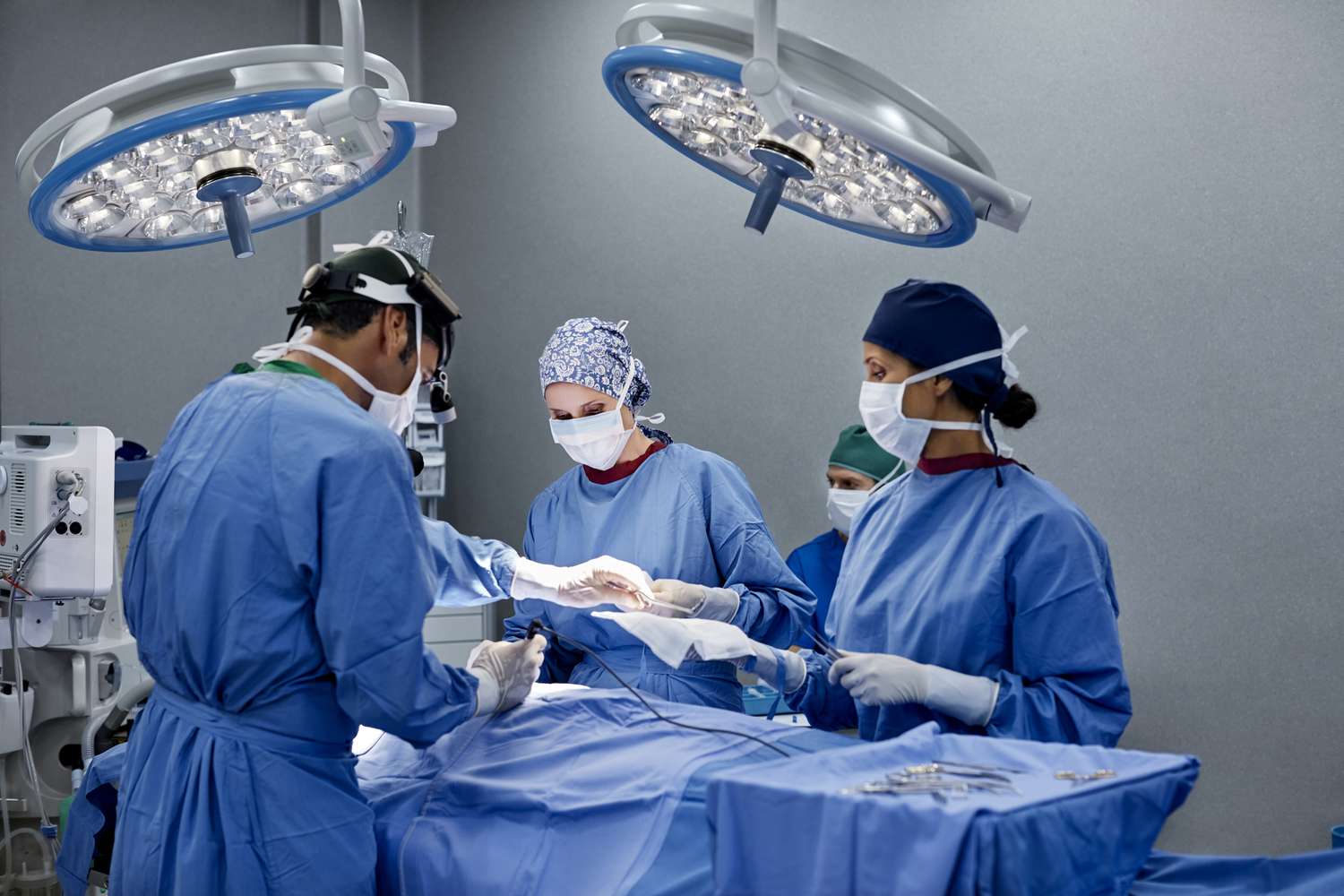
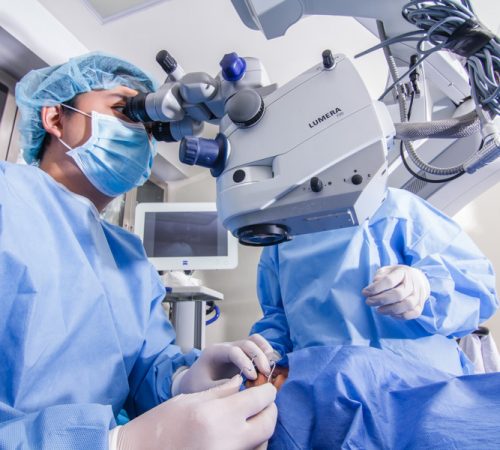
The Phakic IOL procedure is minimally invasive and performed under local anesthesia, ensuring patient comfort throughout. The surgeon makes a small incision at the front of the eye and carefully inserts the lens. Depending on the type of Phakic IOL, it may be placed behind or in front of the iris. The procedure typically takes less than 30 minutes for both eyes and does not require removal of the natural lens.
Following surgery, patients may experience mild discomfort or light sensitivity, but these symptoms usually resolve within a few days. Most patients can return to normal activities within a week, with vision improvement becoming noticeable almost immediately. Modern surgical techniques and advanced equipment enhance precision and safety, allowing Phakic IOL to provide excellent outcomes with minimal complications.
Phakic IOL surgery is suitable for adults whose eyes have fully developed and whose prescriptions have stabilized. A comprehensive evaluation by a qualified ophthalmologist ensures that patients are good candidates for the procedure. By combining advanced technology with skilled surgical expertise, Phakic IOL delivers reliable and long-lasting results for nearsighted patients.
Why Choose Peregrine Eye and Laser Institute
Peregrine Eye and Laser Institute has built a reputation as a leading eye care center in Metro Manila, offering world-class treatment and personalized service. The institute’s team of highly skilled ophthalmologists is trained at prestigious institutions such as Harvard Medical School, Johns Hopkins University, UCLA, California Pacific Medical Center, University of Wisconsin, and Singapore National Eye Center. Each doctor brings decades of clinical and surgical experience, ensuring patients receive the highest standard of care.
PELI is equipped with state-of-the-art operating theaters and advanced ophthalmic equipment, allowing precise and safe Phakic IOL implantation. The institute has handled both routine and complex cases for local and international patients, demonstrating expertise in managing various refractive needs. Every step of the patient journey is designed to provide comfort, convenience, and confidence, from consultation to post-operative care.
With clinics strategically located in Makati, Manila, and Quezon City, PELI offers easy access to world-class eye care. The institute prioritizes patient education, ensuring every individual understands the procedure, expected outcomes, and care requirements. Choosing Phakic IOL at Peregrine Eye and Laser Institute guarantees a combination of advanced technology, skilled surgeons, and compassionate support.
Takeaway
Phakic IOL offers a safe, effective, and permanent solution for correcting nearsightedness, providing patients with freedom from glasses and contact lenses. The procedure preserves the natural lens, delivers excellent visual results, and is suitable for a wide range of patients, including those with high myopia.
Peregrine Eye and Laser Institute combines advanced technology, highly skilled ophthalmologists, and compassionate care to deliver outstanding outcomes for Phakic IOL patients. With clinics in Makati, Manila, and Quezon City, expert consultation and treatment are easily accessible. Schedule a consultation today and take the first step toward clearer vision with Phakic IOL.
Frequently Asked Questions (FAQs)
What is the difference between Phakic IOL and LASIK?
Phakic IOL preserves the natural lens and places a corrective lens inside the eye, whereas LASIK reshapes the cornea using a laser. Phakic IOL is ideal for patients with high myopia or thin corneas.
Is Phakic IOL surgery painful?
The procedure is performed under local anesthesia, so patients experience minimal discomfort. Mild irritation or light sensitivity may occur after surgery but usually resolves quickly.
How long does recovery take?
Most patients can resume normal activities within a week. Vision improvement is noticeable almost immediately, and full recovery typically occurs within a few weeks.
How long does a Phakic IOL last?
Phakic IOL is designed to last a lifetime, although regular eye checkups are recommended to monitor eye health and lens condition.
Who is a good candidate for Phakic IOL?
Adults with stable nearsightedness, particularly those with moderate to high myopia or corneal limitations, are ideal candidates. A thorough evaluation by an ophthalmologist ensures suitability.
Can Phakic IOL be removed or replaced?
Yes, Phakic IOL can be removed or replaced if necessary, providing flexibility for future eye care needs.
Are there risks with Phakic IOL?
While rare, risks include infection, inflammation, or lens displacement. Choosing an experienced surgeon and a trusted institute like Peregrine Eye and Laser Institute minimizes these risks.